
U.S. Operations Against Iran Followed by Tehran’s Claimed Retaliatory Strikes in Kuwait, Bahrain, and Jordan
Middle East | Aalami Nation Magazine
Regional tensions have intensified after the U.S. Central Command (CENTCOM) announced the completion of a new round of military operations against Iran during the night of July 12–13. According to CENTCOM, the strikes targeted dozens of sites aimed at reducing Iran’s ability to threaten international shipping through the Strait of Hormuz.
Following the U.S. operation, Iran announced what it described as a retaliatory missile and drone operation against “enemy bases,” claiming to have targeted locations in Jordan, Kuwait, and Bahrain. Independent verification of these claims has not been confirmed.
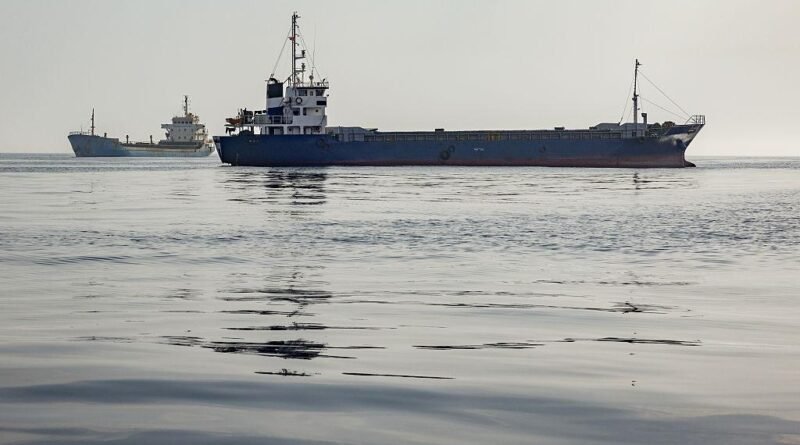
Iran’s Islamic Revolutionary Guard Corps (IRGC) also stated that the Strait of Hormuz had been closed to maritime traffic. However, CENTCOM rejected the claim, insisting that the strategic waterway remains open and that Iran does not control international navigation through the strait.
U.S. President Donald Trump also stated that the Strait of Hormuz remains open to commercial shipping. However, according to shipping analytics platform Kpler, only six commercial vessels reportedly transited the waterway during the previous day, reflecting growing concerns among global shipping operators.
Iran said it closed the strait after accusing a vessel of using an unauthorized route and claimed the ship was targeted. Tehran warned that any response to the incident would be met with a “strong reaction.”
The Strait of Hormuz remains one of the world’s most critical maritime chokepoints, carrying a significant share of global oil exports. Any disruption in the area has the potential to affect international energy markets, global trade, and regional security.