
Middle East Tensions Escalate as UAE Oil Tankers Hit, U.S. Launches Third Consecutive Night of Strikes on Iran
Dubai/Tehran/Washington: Tensions across the Middle East have intensified after the United Arab Emirates reported missile strikes on two of its national oil tankers, while the United States confirmed a third consecutive night of military operations against Iranian targets.
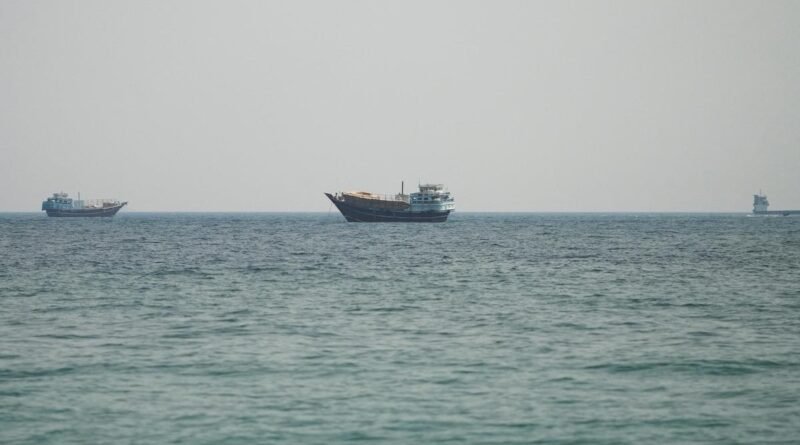
According to the UAE Ministry of Defence, the national oil tankers Mombasa and Al Bahiyah were struck by cruise missiles while sailing in Oman’s territorial waters along the southern route of the Strait of Hormuz.
UAE state news agency WAM reported that one Indian national was killed in the attack, while eight crew members were injured, including six Indian and two Ukrainian nationals. Officials said four of the injured remain in critical condition.
The missile strikes caused fires aboard both tankers, but emergency crews successfully brought the flames under control. Authorities confirmed that both vessels sustained material damage.
The UAE strongly condemned the attack, describing it as a serious violation of international law and a threat to regional peace, maritime security, and global energy supplies. The Ministry of Defence stated that the UAE reserves the right to take all necessary measures to protect its sovereignty, citizens, residents, and national interests.
Meanwhile, Bahrain activated nationwide emergency sirens, urging citizens and residents to remain calm and move immediately to the nearest safe shelters as a precautionary measure.
On the military front, the U.S. Central Command (CENTCOM) announced that American forces had launched a third consecutive night of operations against Iranian targets. According to CENTCOM, the strikes were aimed at weakening Iran’s military capabilities and reducing its ability to threaten international shipping through the Strait of Hormuz.
The U.S. military said the latest operations began at 4:45 p.m. local time, involving coordinated air and naval assets.
Despite the escalating conflict, U.S. President Donald Trump said a diplomatic agreement with Iran remains possible.
Speaking to reporters at the White House, Trump said he still believes a negotiated settlement can be achieved, although military operations are continuing. He also announced that the United States would reimpose a naval blockade on Iran, while keeping the Strait of Hormuz open for commercial shipping, with transit fees expected to be introduced.
The latest developments follow several days of missile and drone exchanges between Washington and Tehran, with Iran claiming attacks on U.S.-linked facilities across the Gulf region.
The Strait of Hormuz remains at the center of the crisis due to its strategic importance, as a significant share of the world’s oil exports passes through the narrow waterway. Analysts warn that any prolonged disruption could have major consequences for global energy markets, international trade, and regional security.