Editorial: The Middle East Needs Peace, Not Another War
The latest escalation between the United States and Iran has once again pushed the Middle East into a period of uncertainty. Military strikes, retaliatory actions, and rising tensions around the Strait of Hormuz are not only affecting the two countries involved but are also raising concerns for global security, international trade, and the world economy.
The United States has signaled the possibility of further military action if diplomatic efforts fail, while Iran has stated that it will defend its sovereignty and national interests. These developments have increased fears of a wider regional conflict with consequences far beyond the Middle East.
History has shown that prolonged conflicts rarely produce lasting solutions. Instead, they often lead to humanitarian suffering, economic disruption, and instability that affects millions of ordinary people. Civilians are usually the ones who bear the greatest burden of war.
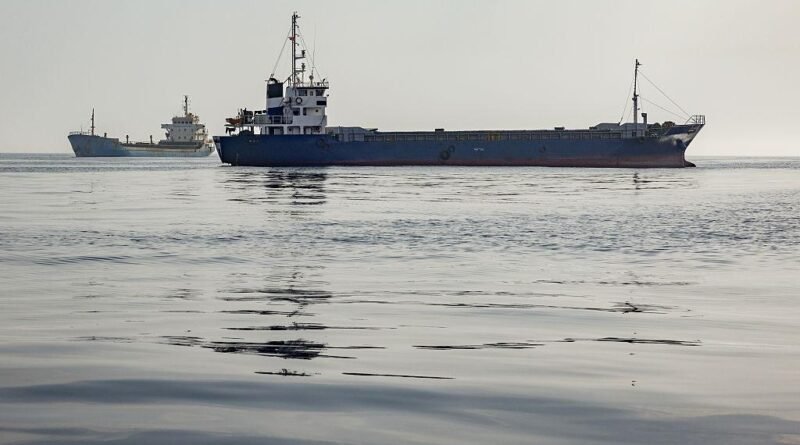
The Strait of Hormuz remains one of the world’s most important energy and shipping routes. Any disruption there can affect global oil supplies, increase energy prices, and create uncertainty in international markets.
While military actions continue to dominate headlines, diplomacy remains the most effective path toward a lasting solution. Dialogue, mutual respect, and adherence to international law are essential to reducing tensions and preventing further escalation.
Editorial Opinion:
The Middle East does not need another prolonged conflict. It needs responsible leadership, meaningful diplomacy, and sustained efforts to reduce tensions. Peace may be difficult to achieve, but it remains far less costly than the consequences of another regional war.