
Trump Ends Ceasefire with Iran: Is the Middle East Heading Toward Another War?
The Middle East appears to be entering another period of heightened uncertainty after U.S. President Donald Trump announced the end of the ceasefire with Iran. The development has intensified regional tensions and sent shockwaves through global energy markets, with international oil prices rising by more than 5% within hours of the announcement.
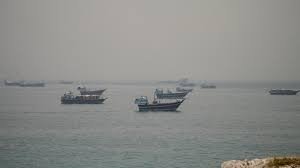
The renewed hostilities come amid reports of attacks on commercial vessels in the Strait of Hormuz and subsequent U.S. military operations. The escalation has raised concerns that any prolonged conflict could disrupt one of the world’s most important energy corridors, affecting oil supplies, global trade, and economic stability.
The Strait of Hormuz remains a strategic maritime passage through which a significant share of the world’s oil exports passes every day. Any disruption to shipping in the region has the potential to drive up fuel prices, increase inflation, and create uncertainty across international financial markets.
Analysts warn that if tensions continue to rise, the consequences will extend far beyond the Middle East. Higher energy costs, supply chain disruptions, and increased geopolitical risks could impact economies around the world, placing additional pressure on businesses and consumers alike.
At this critical moment, diplomacy and dialogue remain essential. While military action may produce immediate strategic outcomes, lasting peace can only be achieved through sustained negotiations and political engagement. The Middle East has endured decades of conflict, and another major confrontation would risk further instability with global repercussions.
The international community, including the United Nations and major world powers, faces growing pressure to encourage restraint and facilitate diplomatic efforts. Whether the region moves toward de-escalation or deeper conflict in the coming days will have significant implications not only for the Middle East but also for global peace, energy security, and economic stability.