
Iran: Strait of Hormuz Will Reopen Only Under Iranian Control, Says Parliament Speaker Ghalibaf
Here is a polished English news story suitable for a website or magazine:
Tehran: Iranian Parliament Speaker and chief negotiator Mohammad Bagher Ghalibaf said on Thursday that the Strait of Hormuz will reopen only under Iranian-controlled arrangements, following the latest escalation between Tehran and Washington.
In a statement posted on X, Ghalibaf said the United States had “not yet learned that threats and broken promises will no longer go unanswered.” He warned that “if you attack us, you will be attacked in return,” reaffirming Iran’s determination to respond to any future military action.
His remarks came a day after U.S. President Donald Trump announced new strikes against Iran, warning Tehran of severe consequences if it continued targeting vessels transiting the Strait of Hormuz.
According to Iranian state media, explosions were heard across several locations along Iran’s southern coast after the U.S. Central Command (CENTCOM) reportedly launched a second consecutive night of military operations against Iranian targets.
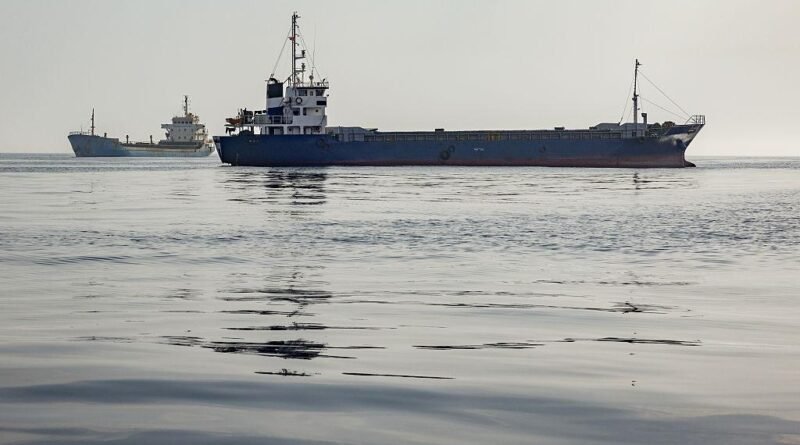
In recent days, at least three commercial vessels were reportedly attacked in or near the Strait of Hormuz, with allegations directed at Iranian forces. In response, the United States carried out large-scale strikes inside Iran, while Iran reportedly launched retaliatory attacks against targets in Gulf countries, with exchanges continuing into Thursday.
The Strait of Hormuz remains one of the world’s most strategically important maritime routes, carrying a significant share of global oil and gas exports. During the conflict, Iran temporarily closed the waterway, disrupting international shipping and energy supplies. The United States subsequently imposed sanctions on certain Iranian ports.
Although both sides later agreed to ease some restrictions under a memorandum of understanding aimed at reducing hostilities, the future management of the Strait of Hormuz remains a key point of contention between Tehran and Washington.
Shipping activity has gradually resumed following the agreement, but tensions over control of the vital waterway continue to raise concerns about regional stability and global energy security.