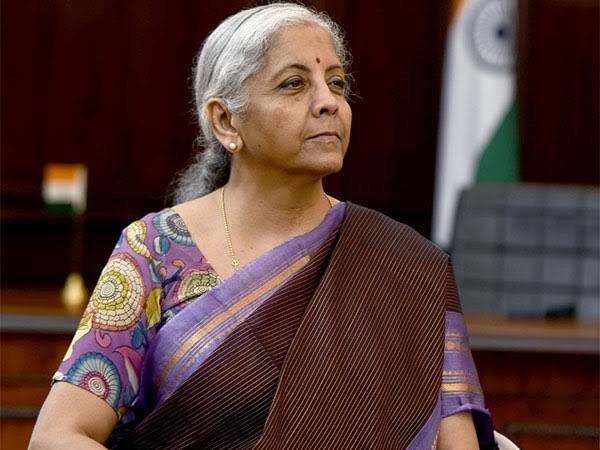
NEW DELHI, October 30 (Aalimi Nation) – Union Finance Minister Nirmala Sitharaman said on Friday that India's extreme poverty rate fell from 27.1 per cent in 2011 to 2.6 per cent in 2023, citing the World Bank's October 2026 Poverty and Equity Brief. She described the decline as "one of the fastest poverty declines in the world", a phrase she attributed to the report.
Ms Sitharaman said more than 49 crore people moved above the lower-middle-income poverty line during the period. She also said employment rose by 13.4 crore between 2017 and 2023, nearly twice the growth in the working-age population, and that electricity access has reached 99 per cent of the population.
What the report is said to show
The brief, as described by the minister and in summaries of its findings, puts the share of Indians living below the lower-middle-income threshold of $4.20 a day at 16.1 per cent in 2023, down from 57.7 per cent in 2011. The report credits stronger consumption growth, rising employment, particularly among women, and expanded social transfers, including food subsidies.
Ms Sitharaman said rural women accounted for much of the employment gain and that both rural and urban households recorded substantial welfare gains. She said the government's policy efforts were producing "tangible results" and that it would keep building on this progress through productive jobs, higher household incomes and effective public services.
Projections and concerns
The World Bank projects that the share of people below the $4.20 line will fall from 14.2 per cent in 2026 to 12.1 per cent by 2028, according to summaries of the brief. It has said the pace of decline could moderate and that the projections may change with economic conditions and employment trends.
The report also points to areas of concern. Around 57 per cent of India's poor live in a belt stretching from Uttar Pradesh to West Bengal, and the report stresses the need for productive job creation in those states. Summaries of the brief say youth unemployment rose from 14.6 per cent to 15.9 per cent between the first quarters of 2025-26 and 2026-27, that real earnings stayed largely stagnant, and that employment growth was concentrated in lower-productivity activities.
The World Bank cautioned that improvements in survey measurement may partly explain the recent gains, alongside genuine improvements in living standards. Poverty estimates in India are based on household consumption surveys, and the figures depend on the poverty line used.
Earlier World Bank assessments used different thresholds and gave different end-point figures. A 2025 brief reported extreme poverty at 5.3 per cent in 2022-23 at a line of $3 a day, with the same 27.1 per cent starting point for 2011-12, and also cited a figure of 2.3 per cent at the $2.15 line. The figures are therefore not directly comparable without checking the poverty line applied.
Separately, the Oxford Poverty and Human Development Initiative has reported that multidimensional poverty in India fell from 53.8 per cent in 2005-06 to 16.4 per cent in 2019-21.