NEW DELHI, October 26 (Aalimi Nation) – The Supreme Court has held that the right to access and use the internet is a fundamental right of every individual, including children, while directing the Union government to build a national database to detect and remove child sexual exploitation and abuse material from online platforms.
The ruling came from a bench of Justices J.B. Pardiwala and K. Vinod Chandran in a petition filed by the NGO Just Rights for Children Alliance. The order is dated October 15.
The bench held that the right to access and use the internet flows from Article 21 read with Article 19(1)(a) of the Constitution. It said protecting children from online harm cannot be a reason to deny them access altogether. "The safety of our children and their freedom are not at odds with each other," the court observed.
The court said safety measures should target harmful material and the people responsible for it, not children. It named those who create, circulate, sell or seek out such material, and intermediaries that fail to remove it. "To keep the child away from the internet on account of such failures would be to mistake the victim for the problem," the bench said.
The court did not rule out proportionate safeguards. It pointed to parental oversight, child modes for social media accounts and restrictions on content that is harmful to minors as acceptable options, and treated blanket age-based bans as disproportionate.
The petition complained that intermediaries had continued to fail in tackling such material even after the court's September 2024 judgment on the subject. The bench said there had been "no progress worth the name" in more than two years, and cited reports of paid promotion through redirect links.
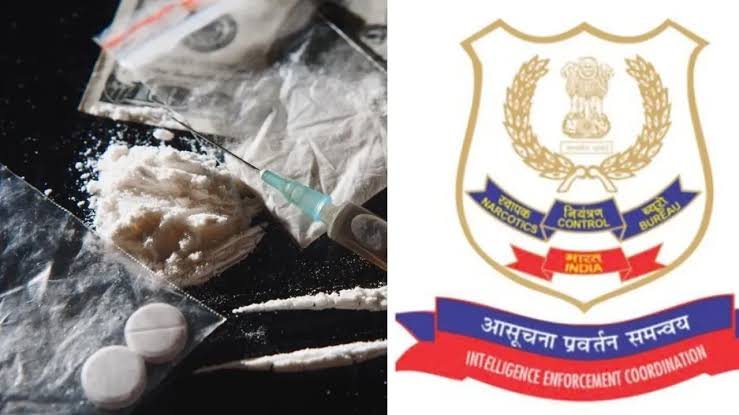
The court directed the Centre to create a National Hash and URL List Database to be used solely for child sexual exploitation and abuse material. The database would store hashes and web addresses rather than the material itself. Every entry must pass several levels of verification, with a final assessment by at least three trained human analysts. Platforms must remove content matching an entry without further verification.
The Centre must file an affidavit on the technology platforms use for detection and frame guidelines for large social media intermediaries on hash-matching and URL listing. Platforms must publish details of grievance officers prominently and make reporting available within two steps, with trained officers taking final decisions and automated tools used only for preliminary screening.
The bench asked the Centre to consider exemplary fines scaled to the seriousness of the default, how often it recurs and the size and turnover of the intermediary. It said revenue earned from such material offered through paywalls or subscriptions should be forfeited.
The court also directed the National Council of Educational Research and Training and state bodies to include digital safety and age-appropriate sex education in the core curriculum, covering consent, safe and unsafe touch, online exploitation and fearless reporting. It also called for teacher training and free counselling for victims.
Solicitor General Tushar Mehta appeared for the Centre. The Union government must file a progress affidavit before the next hearing on December 10.