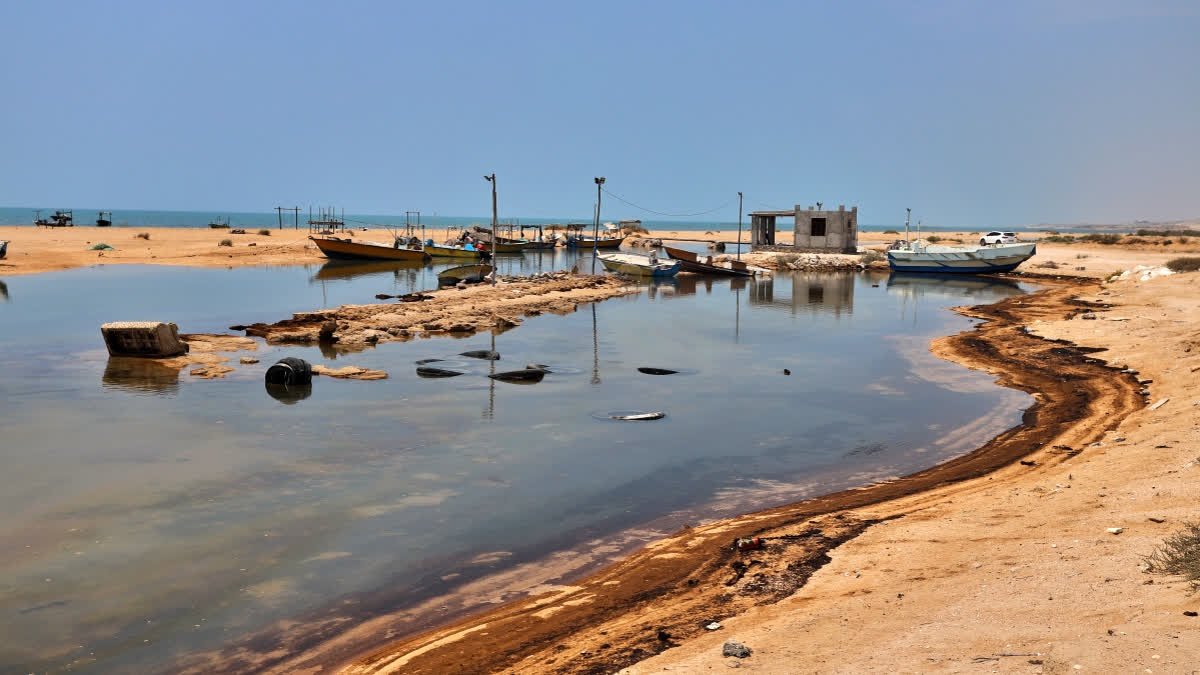
TEHRAN, October 23 (Aalimi Nation) – Iran's Revolutionary Guard said on Thursday that its navy struck or disabled seven oil tankers in the Strait of Hormuz, a claim Washington rejected and one that has not been independently verified. If confirmed, it would be the largest single-day toll for shipping in the waterway since the war involving Iran, the United States and Israel began on February 28.
Iran's claims on Hormuz tanker attacks
In a statement carried on the Guard's news website, the force said four of the tankers were transferring oil when they were targeted and caught fire overnight. The other three, it said, were disabled after hitting naval mines. The statement gave no details on casualties or on the vessels' flags.
The Guard also issued a warning to Washington. "The US military must know that if this trend continues, the conflict will extend to its bases in the region," the statement said. It added that American bases across the Middle East could be targeted if the United States helps tankers pass through other parts of the strait.
US rejects the account
A spokesperson for US Central Command, speaking without being named, said Iran's claims about mines were incorrect and that American forces had cleared the international shipping lanes. The spokesperson said Iran was using missiles and drones, that the strait remained open and that 95 percent of vessels were getting through. The attacks, the spokesperson said, showed Tehran's desperation under the US blockade, which cuts Iran off from the resources it needs to rebuild its military.
President Donald Trump also dismissed the claims. "Iran is doing everything they can to drive up the price of oil prior to the US Midterm Election," he said on Thursday. In a post on his social media platform, he said Iran was "making up fake hits, mines, and everything else" and argued that more oil was now moving through the strait than before the conflict began.
The two accounts cannot be reconciled from the information available. Iran says it controls the waterway, while US forces have stepped up escorts of vessels.
Why the strait matters
About one-fifth of the world's oil supply passed through the Strait of Hormuz before the war. Brent crude was trading above $111 a barrel on Thursday morning, according to market data, and the average US petrol price stood at $4.27 a gallon. US Treasury Secretary Scott Bessent has said that lower oil prices depend "on what happens with the Iran conflict" and described the country as facing an "energy shock".
Tehran has spoken of an imminent escalation, and many Iranians expect a US attack before the early-November midterm elections, a correspondent reporting from the Iranian capital said. The United States and Israel have reportedly been drawing up plans to resume strikes on Iran after the midterms, though that has not been confirmed by officials.
Washington faces domestic pressure over rising fuel and household prices ahead of the vote. Neither side has indicated a willingness to step back, and the Guard's warning about American bases suggests any further US operation could widen the fighting across the region. Independent confirmation of Thursday's incidents, including the condition of the vessels and any casualties, is still awaited.