TEHRAN, November 12 (Aalimi Nation) – Iran's top security official has warned that any military base used in a fresh American attack on the country would become a legitimate target, a warning that explicitly stretches to installations in Europe. The statement came as Tehran and Washington remain at odds over how to end a conflict that began in February.
Iran's warning on military bases
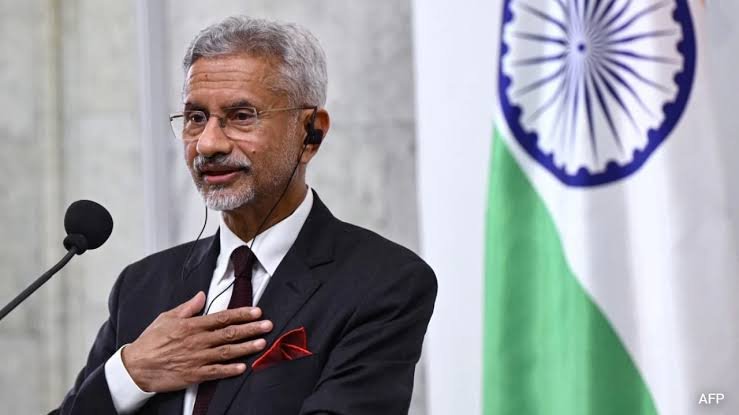
Mohsen Rezaei, secretary of Iran's Supreme National Security Council, posted the message on social media on Wednesday, November 11. He wrote that if the United States launched another war against Iran, "every military base involved in the aggression, from West Asia to Europe, will be a legitimate target." He added: "No safe distance. No safe haven. No immunity."
In a separate television interview broadcast the same day, Rezaei went further. "We may even target some American military bases in European countries," he said. He indicated that the threat applied to facilities from which US aircraft were used to attack Iran, rather than to every installation in the region, and claimed Iran's capabilities were much stronger now than when the war began. He offered no evidence for that claim, and Iran has not published a list of the sites it might strike.
US position and the diplomatic track
The warning follows remarks from Washington suggesting that a return to large-scale combat is not the preferred option. On November 10, Secretary of State Marco Rubio said the economic pressure on Iran was proving so effective that another military attack was not needed, according to accounts of his remarks.
Rezaei said Tehran is not negotiating directly with Washington. He also repeated that Iran will not hand over its stockpile of enriched uranium or move it to another country, rejecting a US proposal to transfer the material to a third state. Iran says the United States must first address seven conditions for ending the conflict and reopening the Strait of Hormuz. Qatar has been involved in a diplomatic track between the two sides.
Parliament Speaker Mohammad Bagher Ghalibaf, who has led Iran's side in the talks, told a news channel that the Strait of Hormuz would "never return" to its pre-war status and that "the ball is now in the American court."
Background
The war began on February 28 with a US and Israeli offensive against Iran. A memorandum of understanding was reached in Islamabad in June, but the two sides disagree over how to implement it. Disputed points include sanctions, the American naval blockade of Iran and security arrangements in the Strait of Hormuz, the waterway through which a significant share of the world's oil shipments passes.
What is unconfirmed
Whether any direct or indirect talks are under way remains disputed. Iranian officials deny negotiating with Washington directly, while some observers in the US capital have spoken of movement behind the scenes, without giving details.
Further statements from Tehran, Washington and Doha are expected in the coming days. For now, neither side has announced a deadline, and the warning from Rezaei remains a statement of intent rather than an announced military move.