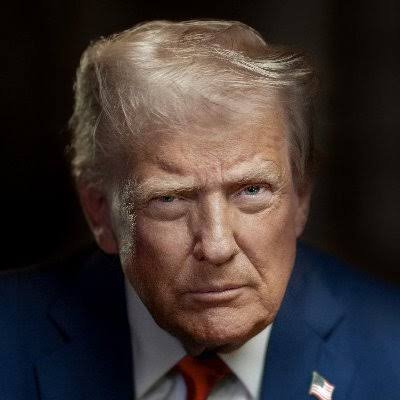
BAGHDAD, November 6 (Aalimi Nation) – Iraqi Prime Minister Ali al-Zaidi told US President Donald Trump in a telephone call on Thursday that Iraqi territory will not be used as a launch point for attacks on neighbouring countries, his office said, as Baghdad tries to stay out of a possible new round of fighting involving Iran.
According to the Prime Minister's office, the two leaders discussed "the evolving situation in the region, security developments, and prospects for the next phase." Mr al-Zaidi reaffirmed Iraq's call for respect for the sovereignty of states and stressed the need for diplomacy and dialogue to protect regional security and stability, the office said. It added that he highlighted the importance of continued consultations between Baghdad and Washington on shared interests.
Fears of renewed strikes
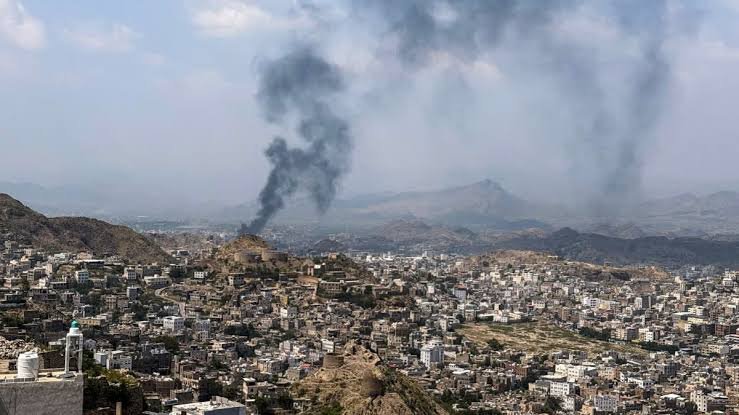
The call came as diplomatic efforts intensified to avert fresh US attacks on Iran. It has been reported that Mr Trump is weighing further military action, more than eight months after the United States and Israel launched strikes on Iran in late February. Neither side has announced a breakthrough in mediation efforts, and the situation in the Strait of Hormuz remains tense.
Iraq's Foreign Minister, Fuad Hussein, said in a television interview on Thursday that the possibility of renewed US military attacks on Iran is "not a secret." He warned Iraqi armed groups against joining any Iranian retaliation. "Pushing Iraqi society into the war will lead to a disaster," he said, adding: "We are not prepared for war. Neither Iraqi society nor the armed forces are prepared for war."
Mr Hussein said Iraq had become a battlefield after the US struck Iran, facing attacks from several directions, including from armed groups inside the country. He said Iraq is not part of any axis, maintains good relations with both Washington and Tehran, and needs a clear policy of staying out of the conflict.
Pressure from neighbours and the economy
Iraq's Gulf neighbours have accused Iran-aligned militias of launching strikes from Iraqi territory since the conflict began, officials in the region have said. Some of those attacks reportedly hit oil infrastructure and US military bases. Mr al-Zaidi, who took office in May, has promised to crack down on these groups and to stop their missile and drone launches. Disarming all armed groups in the country has been one of his stated priorities.
The war has also carried a heavy economic cost. Iraq said last month it had suffered estimated losses of about $60 billion, largely because of disruption to its oil exports. About 90 per cent of Iraq's oil exports normally pass through the Strait of Hormuz, which Tehran largely closed during the conflict, and oil accounts for roughly 90 per cent of the federal budget. Iran has granted Iraq one of the few exemptions that allow its ships to pass freely through the waterway.
The details of what "the next phase" refers to were not spelled out in the statement from Baghdad. No separate account of the call has been issued by the US side in the material reviewed, and the claims about militia attacks from Iraqi territory come from officials of other states and have not been independently verified. Diplomatic contacts across the region, including Qatari mediation, are continuing.