MOMBASA, November 6 (Aalimi Nation) – A Kenyan court on Friday sentenced Paul Nthenge Mackenzie, the founder of the Good News International Church, to 200 years in prison over the deaths of followers who were starved in the Shakahola forest in the country's south-east.
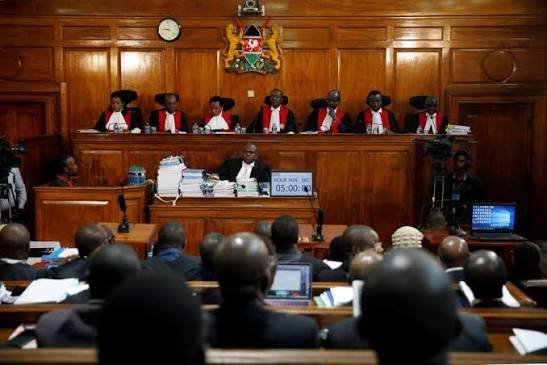
Justice Diana Kavedza of the High Court in Mombasa read the judgement. The sentence is made up of two terms of 100 years each: one for 193 counts of murder by starvation and another for eight counts of murder by direct homicide involving child victims. Terms within each category run at the same time, while the two categories run one after the other, which produces the 200-year total.
Death penalty declined
Prosecutors had asked the court to impose the death penalty. The judge declined. She said the case met the threshold for considering capital punishment under Kenya's established sentencing principles, but ruled that a death sentence would rule out any chance of disengagement and rehabilitation.
The court identified Mackenzie as bearing primary responsibility as the overall leader of the church and the Shakahola settlement. The judge said he organised the move to the wilderness, issued directives ordering followers to fast to death, and targeted children first. She also said he commanded violence against children who resisted or tried to escape, and that he presided over the burials.
Aggravating factors
The judge cited abuse of spiritual authority and betrayal of parents' trust, and the court heard witness accounts of severe violence against children. Followers who tried to escape were caught, threatened, whipped and locked in fasting bays, according to the evidence she summarised. Mackenzie denied the charges and said he had not forced anyone to starve. The court rejected that defence. The judge also noted that the harm continues for survivors, some of whom lost entire families, while others rely on state support or were left with disabilities.
The numbers
Figures reported from the case differ. Officials and court reports speak of 191 people, including 190 children, who died in the cases before the court, while the sentence refers to 193 starvation counts and eight homicide counts. The sources do not explain the gap between the number of deaths and the number of counts. Kenyan authorities have said that more than 400 people died in the wider Shakahola tragedy, a figure that is larger than the number of victims covered by this trial.
The court also dealt with 28 people who were tried alongside Mackenzie. Their sentences were set according to their individual roles and culpability, and the judge recommended deradicalisation measures for eligible convicts other than Mackenzie.
Background
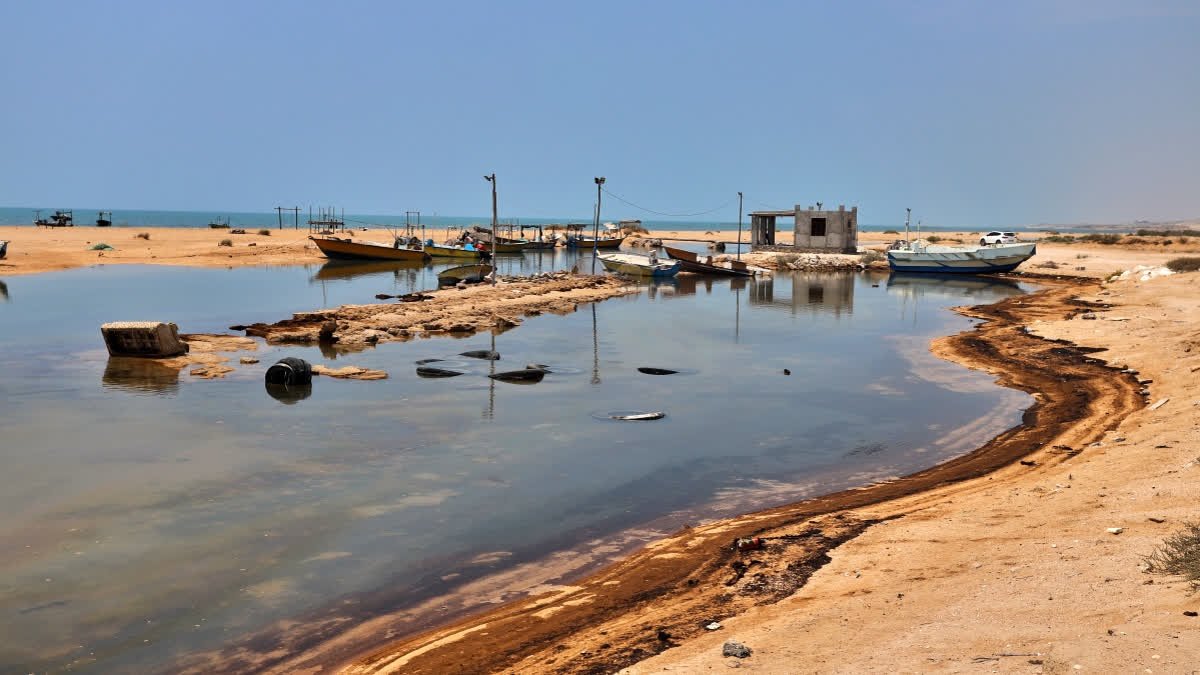
Police arrested Mackenzie in 2023 after a tip-off, and investigators began uncovering bodies in the Shakahola forest. He had been arrested earlier and released, and the case prompted questions over why the group went undetected and calls for tighter regulation of religious organisations in Kenya.
What is not yet known
No statement from Mackenzie's lawyers on a possible challenge to the sentence was available, and no government response to the verdict was found.