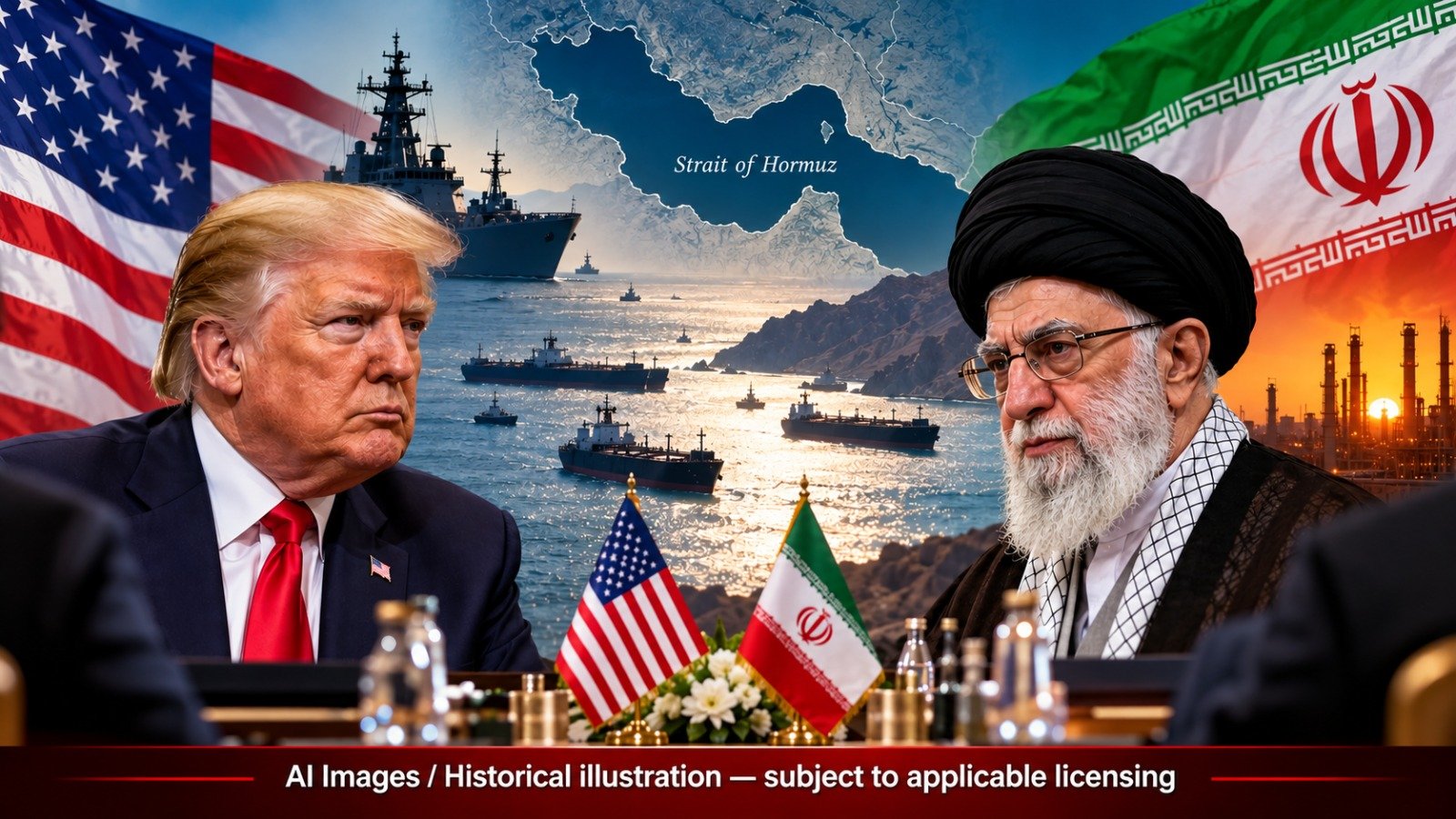
US President Donald Trump says he expects another round of negotiations with Iran this week, despite rejecting Tehran’s latest proposal aimed at easing the conflict and reopening the strategically important Strait of Hormuz.
Trump’s comments suggest that diplomatic channels between Washington and Tehran remain open, even as both sides continue to issue warnings and maintain positions that remain far apart.
The US president told Axios that he expected further talks with Iran during the coming week, while making clear that Tehran’s proposed terms were not acceptable to his administration. Two regional sources also indicated that another round of indirect talks could take place as early as Monday, although it remained uncertain whether the two sides could narrow their differences.
The latest diplomatic activity follows indirect discussions involving US special envoy Steve Witkoff, Jared Kushner and Iranian Foreign Minister Abbas Araghchi on the sidelines of the United Nations General Assembly in New York.
Qatari officials participated as intermediaries, carrying messages between the American and Iranian sides.
Iran's seven-day proposal
During those discussions, Tehran proposed reopening the Strait of Hormuz and restarting nuclear negotiations within a week.
According to reports, Iran linked the proposal to several conditions, including an end to the US naval blockade, the removal of restrictions affecting Iranian oil sales and the restoration of a regional ceasefire.
Trump rejected the proposal.
Iranian officials, however, have continued to signal that they are prepared to pursue a diplomatic solution. Araghchi said Tehran was still waiting for an official response through the mediators following Trump's public rejection of the proposal.
Qatar steps up mediation
Qatar has emerged as a key intermediary in the latest diplomatic effort.
Regional mediators have reportedly been moving between the American and Iranian negotiating teams in an attempt to narrow differences and develop a compromise proposal.
According to Axios, Qatari mediators discussed Iran's original proposal with both sides and presented a modified proposal for consideration. They continued consultations over the weekend on possible changes to the wording of the proposed agreement.
The diplomatic activity demonstrates that, despite Trump's rejection of Tehran's initial offer, negotiations have not completely collapsed.
Hormuz remains at the centre of the dispute
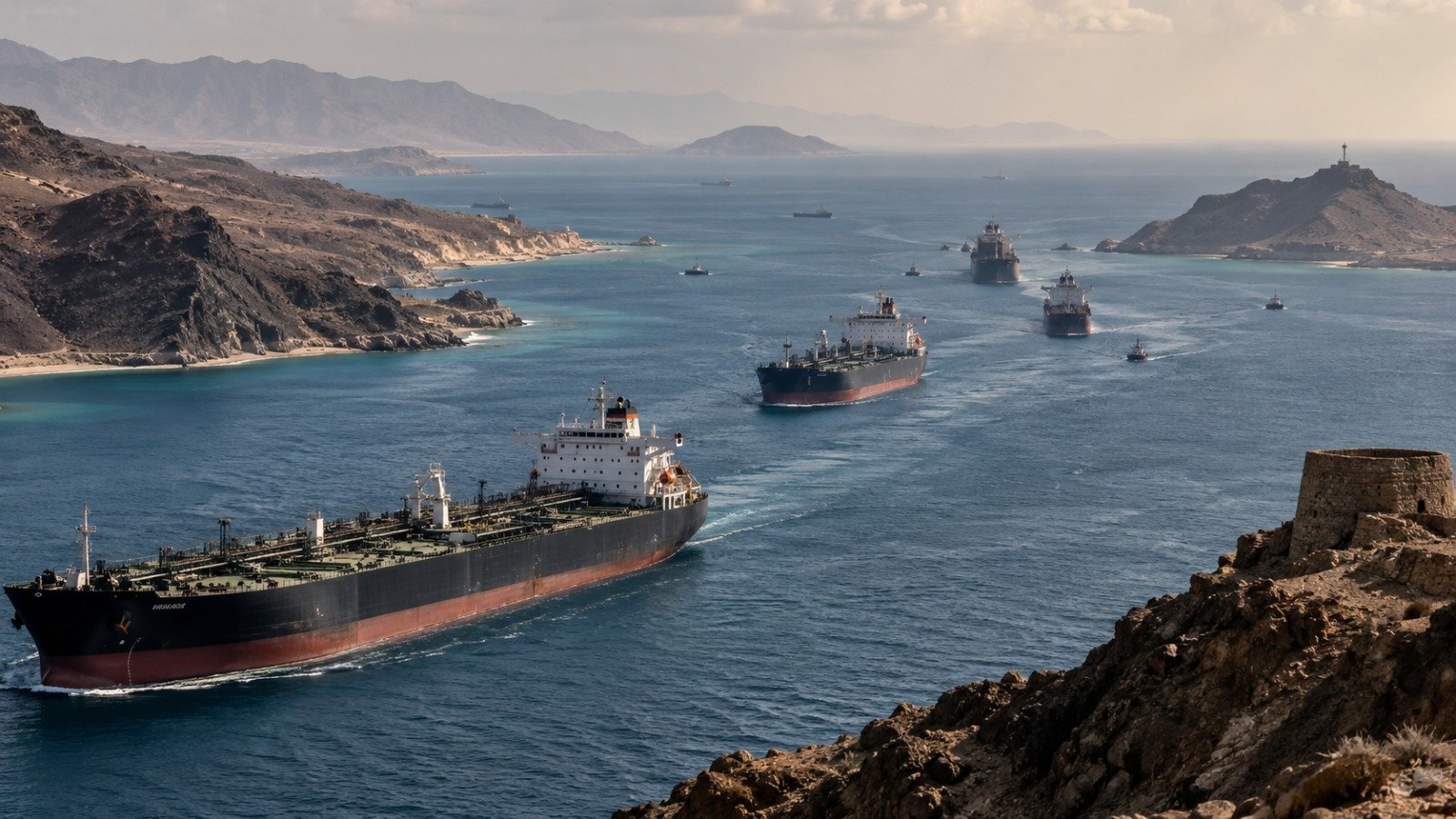
The Strait of Hormuz is one of the most important elements in the negotiations.
Iran wants the issue of the waterway and the US naval restrictions to be addressed as part of any immediate diplomatic arrangement.
Washington, meanwhile, is seeking broader commitments from Tehran, particularly concerning Iran's nuclear capabilities.
That difference in priorities is one of the main obstacles to a wider agreement. Axios reported that the two sides remain far apart, with Iran focusing on the Strait of Hormuz while the Trump administration is demanding nuclear concessions.
The strategic importance of Hormuz extends well beyond the two countries. Disruptions to shipping through the waterway can affect global oil supplies and prices.
Oil prices rose on Monday after Trump rejected Iran's latest proposal, reflecting continuing market concerns about the conflict and the future of energy flows through the region.
Trump keeps military option open
While expressing expectations for renewed negotiations, Trump has also continued to leave open the possibility of further military action against Iran.
His position has therefore combined diplomatic engagement with continued military pressure.
Trump has argued that the United States is applying economic and military pressure simultaneously and has said that Washington wants to ensure Iran does not obtain nuclear weapons.
The Iranian side, meanwhile, has repeatedly warned that it is prepared to respond to further military action while continuing to maintain that diplomacy remains possible.
The central dispute: nuclear programme
At the heart of Washington's position is Iran's nuclear programme.
The Trump administration is seeking significant restrictions on Iran's nuclear and military capabilities as part of any broader settlement.
Tehran, however, has been seeking a phased arrangement that could provide economic and political relief without accepting all of Washington's demands at the outset.
That difference has made it difficult for mediators to convert the latest indirect contacts into a comprehensive agreement.
From New York to the next round
The latest negotiations began with indirect contacts during the UN General Assembly in New York.
US representatives Steve Witkoff and Jared Kushner engaged through intermediaries with the Iranian delegation led by Foreign Minister Abbas Araghchi.
Witkoff later described the discussions as lengthy and said mediators would continue their work. Iranian officials also indicated that Tehran remained interested in diplomacy.
The next phase could therefore again take place through indirect talks, with Qatar and potentially other regional actors carrying messages between Washington and Tehran.
What happens next?
The immediate question is whether the two sides can transform their continuing contacts into an agreement.
Three issues are likely to dominate the next round:
1. Strait of Hormuz
Whether and under what conditions shipping through the strategic waterway can be fully restored.
2. US sanctions and naval restrictions
Iran wants relief from measures affecting its economy and oil exports.
3. Iran's nuclear programme
Washington is seeking significant nuclear concessions, while Tehran wants a phased arrangement rather than an immediate comprehensive settlement.
For now, the diplomatic door remains open, but the fundamental differences have not been resolved.
Trump's expectation of new talks, despite his rejection of Tehran's latest proposal, indicates that Washington and Tehran are still testing whether a negotiated settlement is possible.
The coming days could determine whether Qatar's mediation produces a compromise — or whether the current diplomatic effort again reaches an impasse.