
Bullion is on its third straight weekly gain as investors flee volatility in bonds and currencies. With Brent above $91 and the rupee weak, the bill arrives in India through the import counter.
Aalimi Nation · Business Desk
Gold traded above $4,500 an ounce on Friday and was heading for a third consecutive weekly gain, as investors moved into safe-haven metals amid turbulence across currency and bond markets.
The metal jumped more than 4% on Wednesday after the US Treasury announced plans to at least double its long-term debt buybacks, an attempt to contain government borrowing costs that drove Treasury yields and the dollar sharply lower. By Thursday gold had reached $4,530 an ounce, its highest level since June.
It held those gains even after yields reversed the following day, amid doubts that Washington's effort to rein in long-term borrowing costs will prove more than a temporary fix. Treasury Secretary Scott Bessent has indicated further buybacks could follow, with additional measures under preparation.
Beneath the daily moves is a single trade with an old name: debasement. When investors doubt that a government can manage its debt without inflating its way out, they buy the asset no government can issue. US federal debt has now passed $40 trillion.
Gold has also drawn support from strong investment demand and continued central bank buying, particularly from China.
Oil is the other half of the story
The same week that lifted gold also kept crude elevated. Brent has held above $91 a barrel as Washington prepares sweeping new economic sanctions against Iran, a campaign that has weakened expectations of an early reopening of the Strait of Hormuz.
That combination — rising energy prices alongside a flight into metals — is a difficult one for central banks. Higher oil sustains inflation, which reduces the room for interest rate cuts, which in turn supports the very yields that started the cycle.
What it means in India
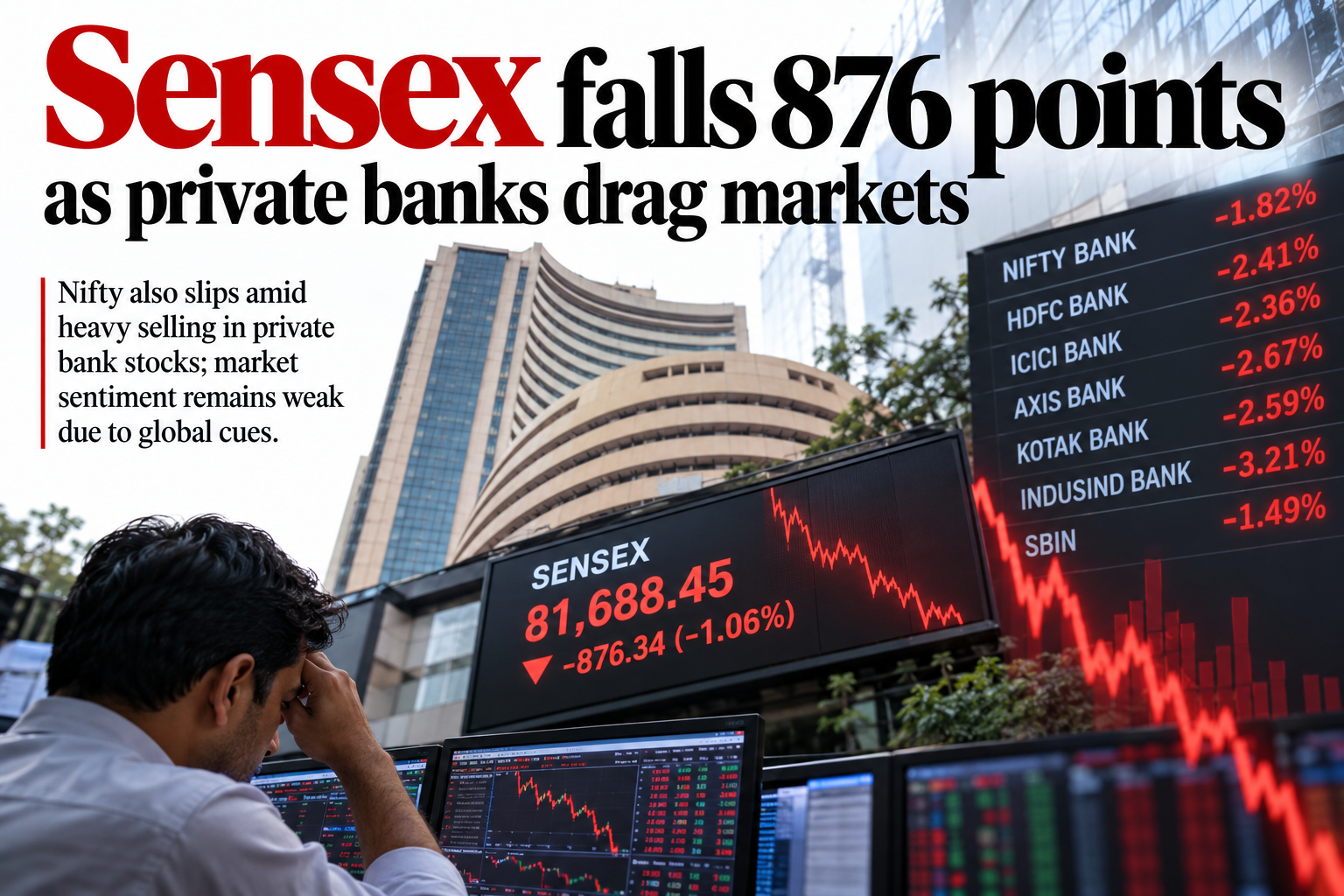
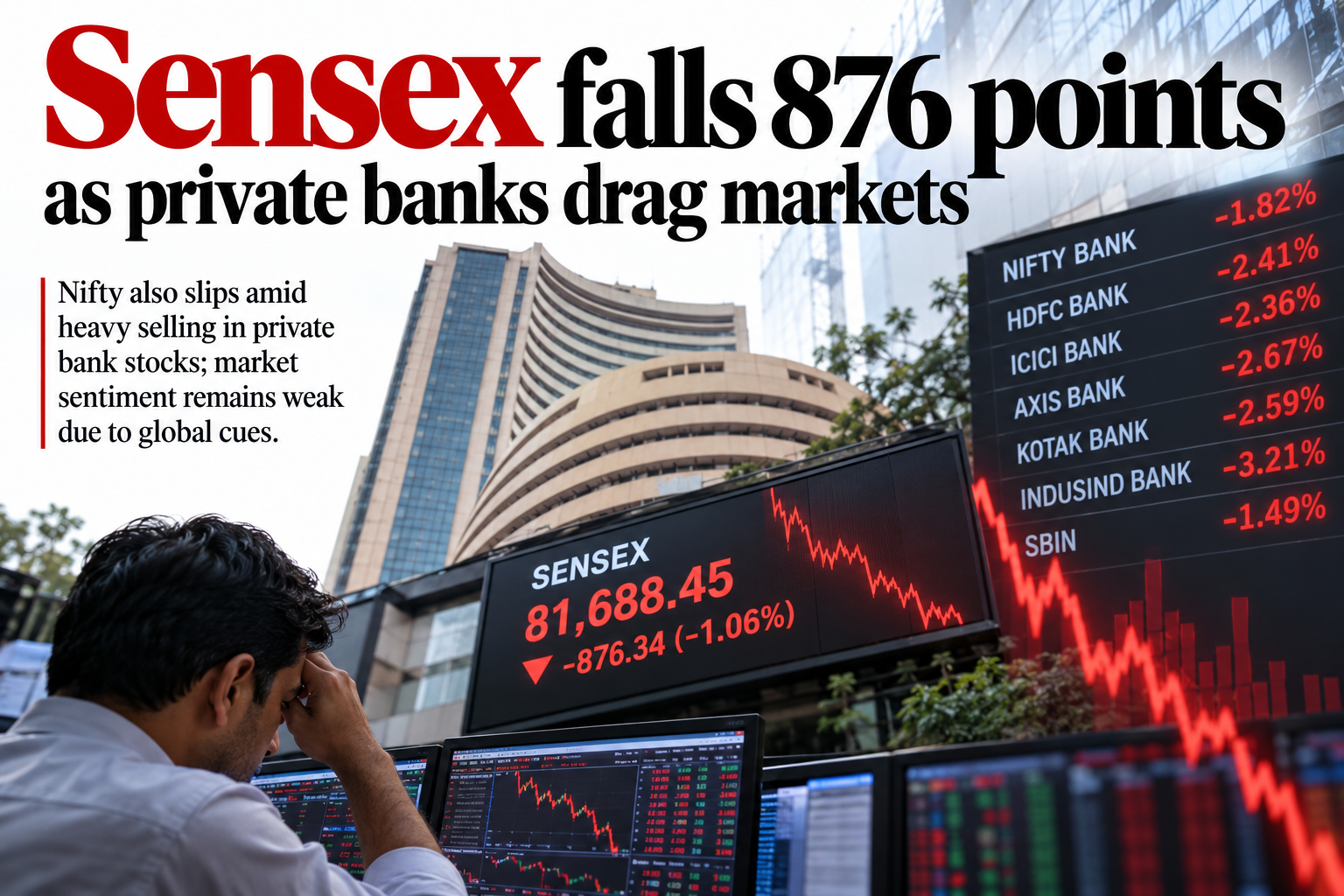
For Indian markets, the immediate reading has been steady rather than alarmed. On Thursday the Nifty 50 traded at 24,191.80, up 0.48%, while the Sensex rose 0.66% to 77,414.34, supported by a firmer rupee and domestic sentiment.
The currency is where the strain shows. The rupee has been trading around 95.66 to the dollar, a level that makes every barrel of imported crude and every ounce of imported gold more expensive in local terms. India imports the overwhelming majority of both.
At the pump, that pressure is currently being absorbed rather than passed on. Petrol in Delhi stands at ₹102.12 a litre and diesel at ₹95.20. In Mumbai, petrol is ₹111.21 and diesel ₹99.82. Prices in Bengaluru, Hyderabad and Kolkata remain above ₹110 for petrol.
Those rates have not moved since 25 May, when state-owned oil marketing companies raised petrol by ₹2.61 a litre and diesel by ₹2.71. Three months of frozen retail prices against Brent above $91 means the gap is being carried somewhere — by refiner margins, by the exchequer, or by a future revision. It is not being carried by the consumer, yet.
For households, the more visible effect is gold itself. Indian buyers purchase bullion as savings rather than speculation, and a rally driven by foreign investors fleeing US Treasuries lands here as a jewellery bill in wedding season.
What to watch
Three things will determine whether this week's pattern holds.
Whether the Treasury's buyback programme steadies long-term yields or merely postpones the pressure. Whether the sanctions campaign against Iran keeps the Strait of Hormuz effectively closed, sustaining crude above $90. And whether the Reserve Bank chooses to defend the rupee at these levels or lets it slide further to protect exporters.
None of those decisions will be taken in Delhi. All of them will be felt here.