NEW DELHI, October 22 (Aalimi Nation) – The Delhi government has released a draft e-rickshaw policy that proposes a citywide cap of 2.5 lakh vehicles, and has opened it for public comment for one month before a final decision.
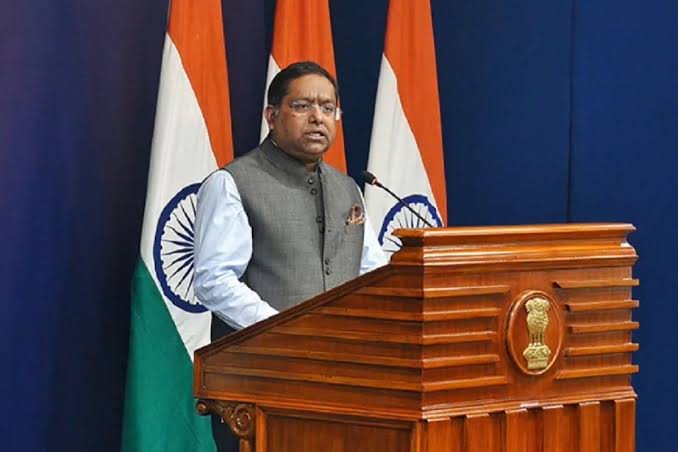
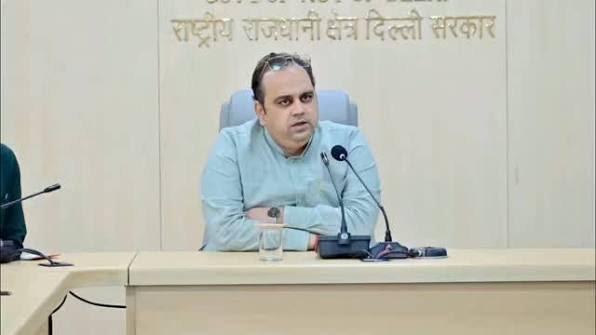
Delhi Transport Minister Pankaj Kumar Singh said the government is considering the ceiling of 2.5 lakh e-rickshaws in the capital. He said the framework is meant to streamline operations, improve road safety, strengthen last-mile connectivity and ease traffic congestion, while balancing commuters' needs with disciplined traffic management.
Delhi e-rickshaw policy: what the draft proposes
The draft, titled the Delhi E-Rickshaw (Registration and Operation) Scheme, 2026, would fix the fleet ceiling at 2,50,000 vehicles. According to the draft, no fresh registration would be issued once the limit is reached unless the cap is revised. The government cites traffic congestion, road safety hazards, air and noise pollution and the unregulated growth of e-rickshaws as reasons for the limit.
Every e-rickshaw would have to be registered as a transport vehicle and carry an E-Rickshaw Compliance Certificate. The certificate would be issued digitally, remain valid for two years and link one vehicle to one driver. The draft also lists requirements for fitness, a valid licence and vehicle identification, so that only eligible vehicles operate on city roads.
Ownership would be restricted. Individual Delhi residents could own up to five e-rickshaws, while companies, firms, non-governmental organisations, cooperative societies and driving schools could hold up to 100. The draft defines an e-rickshaw as a battery-operated three-wheeler that seats up to four passengers besides the driver, carries 40 kilograms of luggage, has a net power output of 2,000 watts or less and a top speed of 25 kmph.
Key provisions at a glance
A citywide fleet ceiling of 2,50,000 e-rickshaws, open to revision.
A digital compliance certificate valid for two years, linking one vehicle to one driver.
A limit of five vehicles per individual owner and 100 for organisations.
Public comment for 30 days, with implementation within 90 days of finalisation.
Enforcement and overloading
The scheme also deals with overloading. It would enforce prescribed passenger capacity, fitness and safety standards. As per the draft, unregistered vehicles would be impounded, and their batteries would not be released but auctioned.
Officials said routes and fares will be examined only after feedback from stakeholders has been reviewed.
Why it matters for commuters
E-rickshaws serve as a low-cost last-mile link for many commuters and are a source of livelihood for drivers. The draft seeks to address congestion and safety concerns by limiting numbers while formalising the sector through certification.
What happens next
The government has invited residents, drivers' associations, owners and other stakeholders to submit comments during the one-month consultation. If the policy is finalised after that process, the government said implementation would begin within 90 days.
Whether the 2.5 lakh limit survives the consultation remains to be seen. The government has said it will consider the feedback before the final scheme is notified.