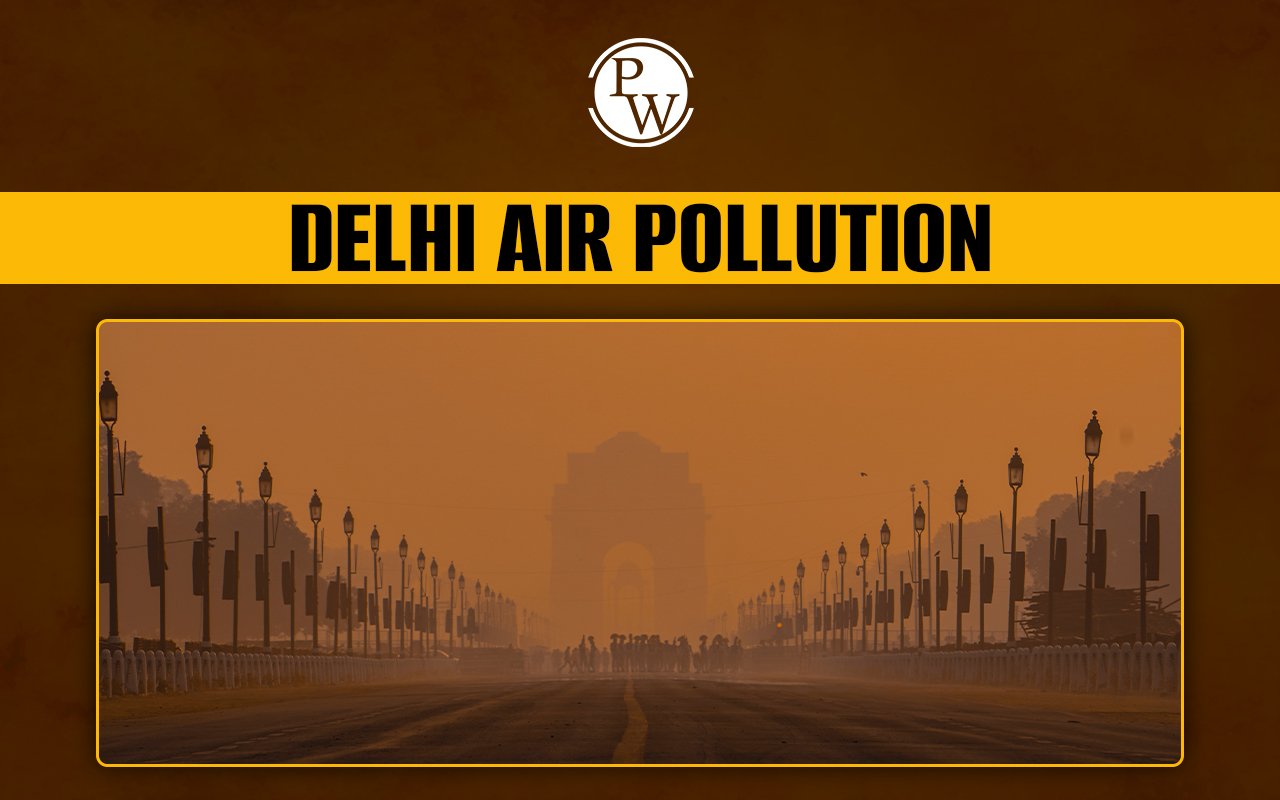
NEW DELHI, October 22 (Aalimi Nation) – The Commission for Air Quality Management (CAQM) has invoked Stage I of the Graded Response Action Plan (GRAP) across Delhi-NCR after air quality in the capital slipped into the "poor" category for the first time this season.
Delhi GRAP Stage I: what triggered it
A CAQM sub-committee on GRAP ordered the Stage I measures to take effect immediately on Wednesday, citing forecasts that the Air Quality Index (AQI) would remain in the poor range. Delhi's AQI stood at 179 on October 20 and rose sharply to 244 by 2 pm on Wednesday. The daily bulletin for the day lists the city at 245, with fine particulate matter (PM2.5) and PM10 as the main pollutants.
Other towns in the region also recorded poor readings on Wednesday, including Greater Noida at 280, Noida at 249, Ghaziabad at 223 and Gurugram at 216. Khora in Ghaziabad district reached 317, which falls in the "very poor" category. The sub-committee said it will keep monitoring conditions.
What the curbs involve
Stage I targets road dust, construction emissions, open waste burning and vehicular pollution. Construction and demolition sites are expected to cover materials, keep dust within site boundaries, manage debris properly and use dust-control equipment where required. Open burning of leaves, garbage and other waste is prohibited.
Local bodies are expected to step up mechanised road sweeping, water sprinkling and the collection of municipal and construction waste. Authorities are also tightening checks on polluting vehicles and regulating industries, power plants and brick kilns. Residents are encouraged to use public transport, carpool, avoid unnecessary trips and report visible violations.
Stage I does not impose a blanket ban on private cars, close schools or halt construction that complies with the rules. Private vehicles may continue to ply as long as owners meet existing emission norms, including holding a valid Pollution Under Control certificate where required.
Under a revised GRAP schedule approved in September, some measures that previously began at Stage II, including curbs on diesel generator sets and on the entry of older, more polluting intercity buses, now start at Stage I. Reports differ on the exact emission standard that applies to the buses, so operators are advised to check the official order.
Command centre and monitoring
An Integrated Command and Control Centre is monitoring construction-related pollution, and an AI-based traffic management system is intended to reduce vehicle emissions. Restrictions from earlier stages generally remain in force if a higher stage is invoked, and the Commission can act on forecasts before the AQI actually crosses a threshold.
Background
GRAP is a four-stage framework that applies progressively tougher measures as air quality worsens through the autumn and winter months in the National Capital Region. Delhi's air typically worsens as the monsoon withdraws and winds slow. Stage I is the first rung of that ladder and is invoked when the AQI is in the "poor" range of 201 to 300.
What happens next
The sub-committee said it will keep reviewing conditions, and the stage may be raised or lowered as AQI readings and forecasts change.