
The apparent strength of Iran during the current regional conflict can be misleading.
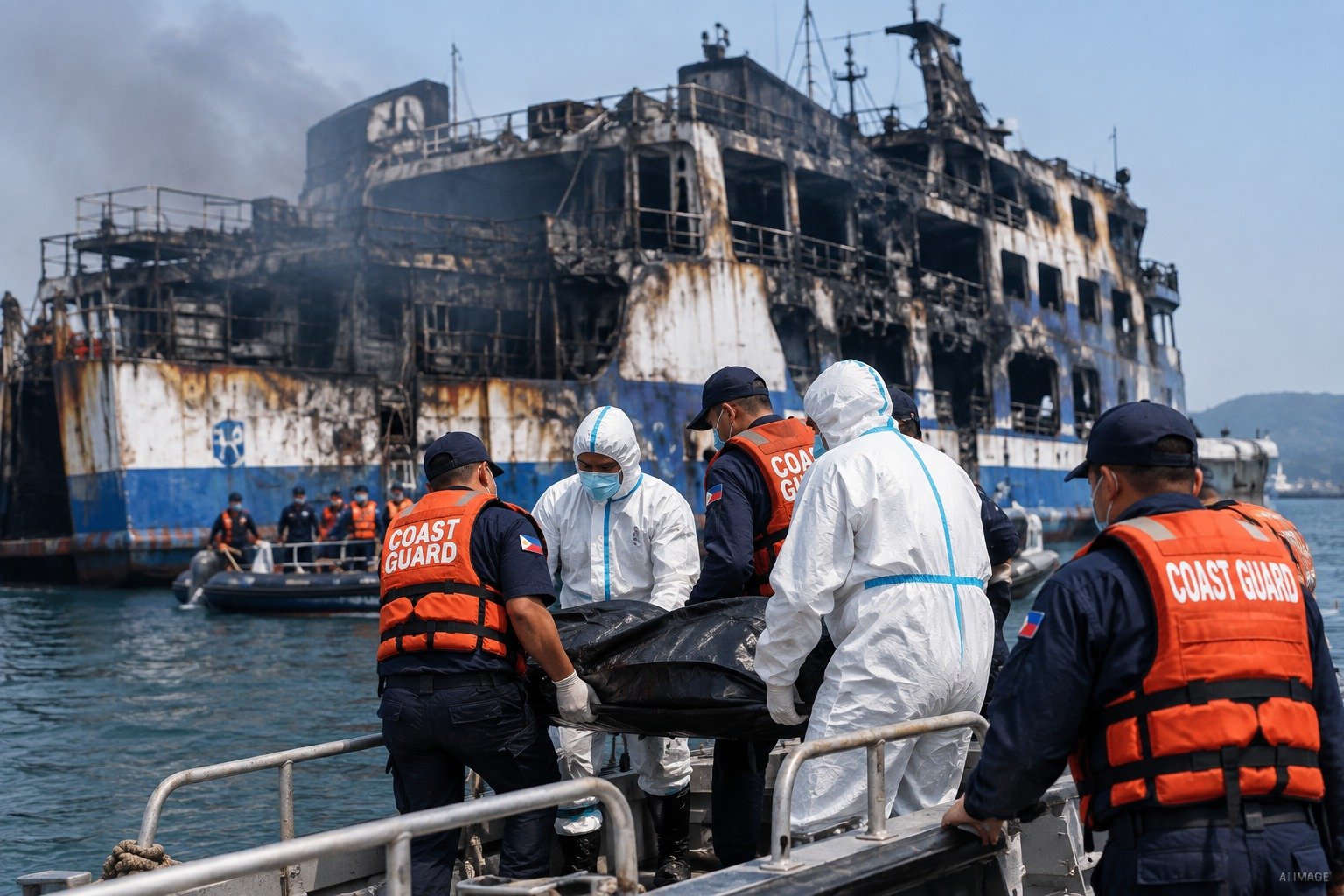
Tehran has demonstrated that it can launch missiles and drones, threaten critical infrastructure and impose short-term costs on its neighbours. Airports can be disrupted, shipping routes placed under pressure and commercial activity temporarily interrupted.
By AALIMI NATION | Opinion & Analysis | Urdu.Alarabiya.
But the more important question is not whether Iran can hurt the Gulf states.
It is whether Iran can outlast, outgrow or strategically defeat them.
On that measure, the picture is considerably more complicated.
The Soviet Lesson
History offers an important comparison.
When Ronald Reagan entered the White House, the Soviet Union appeared to be at the height of its power. It possessed an enormous military machine, thousands of nuclear weapons and a vast ideological sphere of influence.
Yet beneath that formidable exterior were serious structural weaknesses: economic stagnation, political rigidity and a growing crisis of legitimacy.
The Soviet Union eventually collapsed.
The lesson is straightforward: military power alone does not determine the long-term strength of a state.
A country can possess missiles and military alliances while simultaneously suffering from economic weakness, political dissatisfaction and declining public confidence.
That distinction is increasingly relevant to the debate over Iran and the Gulf.
Iran has built an extensive network of military capabilities and regional partnerships.
Its ballistic-missile programme, drones and network of allied armed groups have given Tehran the ability to project power well beyond its borders.
That capability cannot be dismissed.
Iran has demonstrated that it can impose costs on its adversaries and threaten infrastructure across the region. Its ability to create uncertainty around shipping and energy routes also gives it a form of strategic leverage.
But tactical disruption should not automatically be interpreted as strategic victory.
A missile striking an airport does not mean the economy behind that airport has been defeated.
An interrupted flight can resume. Damaged infrastructure can be repaired. Markets can adapt. Governments can redirect investment and strengthen their defences.
The larger question is what happens after the immediate confrontation.
The Gulf states have increasingly focused on political stability, economic diversification, infrastructure development and integration with the global economy.
Saudi Arabia, the United Arab Emirates, Qatar and other Gulf economies have invested heavily in tourism, technology, logistics, finance, energy transition and large-scale infrastructure.
Their strategy is not based solely on military strength.
It is based on making their economies sufficiently connected to the rest of the world that instability becomes increasingly costly to anyone seeking to disrupt them.
This creates a different form of power — economic resilience.
Iran's economy has spent years under the pressure of sanctions, restricted access to international markets, inflation and structural economic difficulties.
The war and regional confrontation add another layer of pressure.
The Gulf economies face their own challenges, including dependence on energy revenues and the enormous cost of diversification. But many of them have used oil and gas wealth to build infrastructure, attract international capital and develop alternative sources of economic growth.
Their major cities have become international centres for business, aviation, tourism and investment.
A state's strength should not be measured only by the number of missiles it can fire. It should also be measured by the number of businesses willing to invest there, the number of people wanting to live there and the confidence citizens have in their economic future.
There is another measure of national strength that is rarely included in military calculations: where people want to live.
People make choices about where to study, work, establish businesses and raise families.
The Gulf's major cities have become destinations for millions of expatriates and international professionals.
Iran, meanwhile, has faced significant emigration and a prolonged challenge in retaining skilled professionals.
This does not mean that every Iranian wants to leave Iran, nor does it diminish Iran's considerable cultural, scientific and human capital.
But migration patterns can reveal something important about public confidence.
When skilled people consistently seek opportunities elsewhere, governments must ask why.
Iran Can Disrupt — But Can It Dominate?
This is perhaps the central question.
Iran can threaten Gulf infrastructure. It can launch drones and missiles. It can create temporary disruptions to aviation and maritime activity.
But the ability to impose damage is fundamentally different from the ability to control another country's strategic direction.
The Gulf states have repeatedly demonstrated that they can absorb shocks while maintaining their broader economic and political trajectory.
Their response has generally been to strengthen security cooperation, diversify economic partnerships and reduce vulnerabilities.
That is not the behaviour of states that have been strategically defeated.
The Political Dimension
The comparison also extends to political legitimacy.
Iran's leadership faces longstanding criticism from sections of its population over economic conditions, political restrictions and the country's regional policies.
For years, protests inside Iran have reflected dissatisfaction with governance, economic hardship and the direction of the Islamic Republic.
One recurring slogan — “Neither Gaza nor Lebanon, my life for Iran” — has become emblematic of criticism over Tehran's spending and foreign-policy priorities.
The underlying message is simple: some Iranians want the government to prioritise domestic prosperity over expensive regional commitments.
That debate is unlikely to disappear simply because Iran demonstrates military strength abroad.
The Gulf's Strategic Advantage
The Gulf states' most important advantage may not be their weapons.
.
They have largely sought to avoid becoming direct participants in every regional conflict while maintaining international partnerships and protecting domestic economic activity.
Their approach combines diplomacy, economic integration, defence cooperation and infrastructure investment.
This strategy does not make them invulnerable.
No Gulf state can completely eliminate the risk posed by missiles, drones or asymmetric warfare.
But vulnerability is not the same as defeat.
If the conflict is judged purely by individual attacks, Iran can point to tangible achievements.
It has demonstrated reach.
It has demonstrated the ability to disrupt.
It has demonstrated that geography does not prevent it from threatening critical infrastructure.
But if the contest is measured by long-term prosperity, political stability, international connectivity and the capacity to absorb shocks, the balance looks very different.
The Gulf states continue to attract investment, expand infrastructure and integrate themselves into global markets.
Iran continues to wrestle with sanctions, economic pressure and questions over political legitimacy.
That is why the claim that Iran has “defeated” the Gulf states requires considerable qualification.
The real strategic contest in the Middle East may not ultimately be decided by the number of missiles fired.
It may be decided by which political systems can provide security, economic opportunity, stability and a credible future for their people.
Iran has built formidable instruments of coercive power.
The Gulf states have invested heavily in instruments of resilience.
But history suggests that when military strength is not matched by economic performance, political legitimacy and public confidence, apparent power can prove surprisingly fragile.
Iran may be capable of hurting the Gulf. The harder question is whether it can change the Gulf's trajectory. So far, the evidence suggests that disruption is easier than domination.