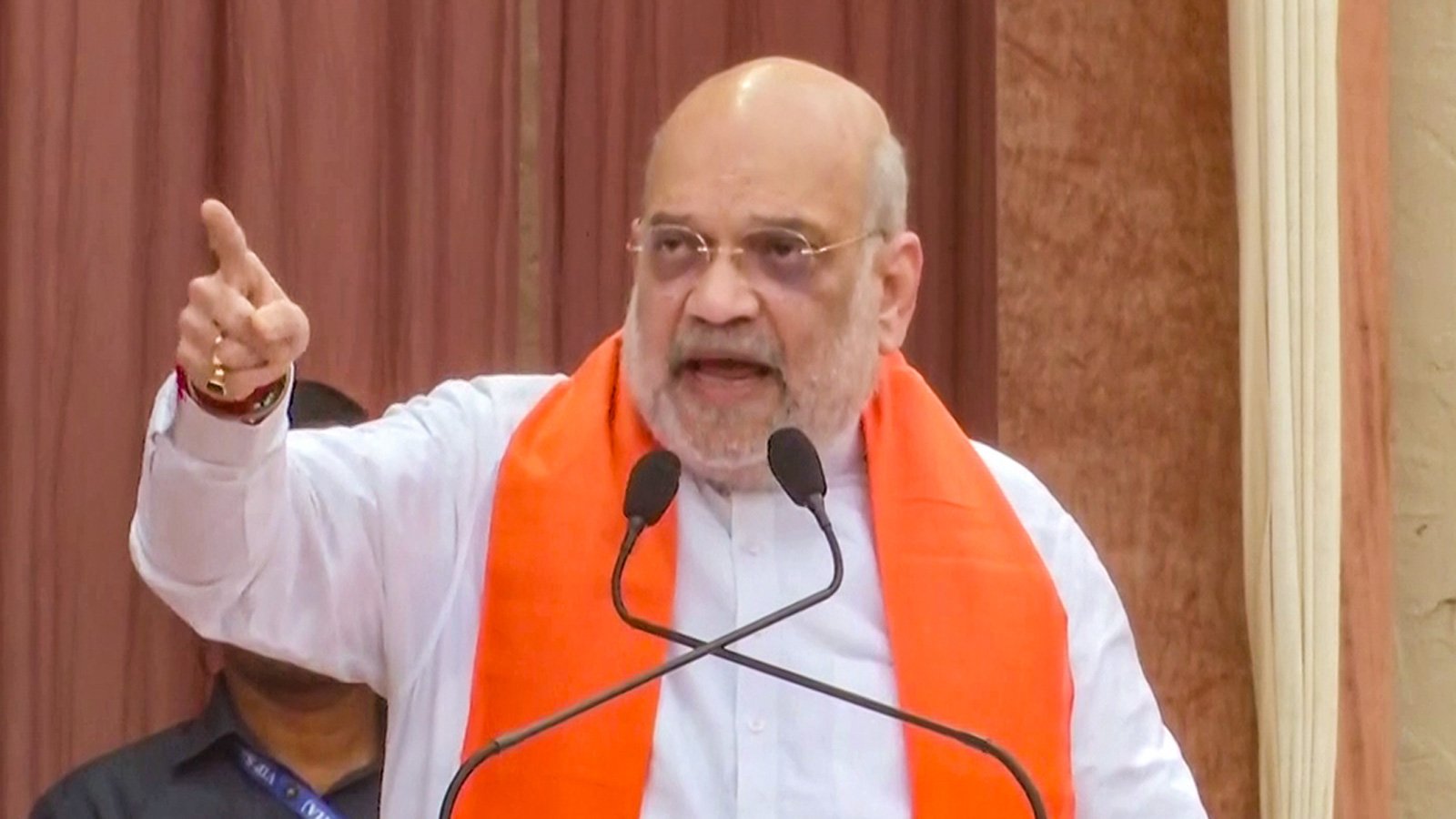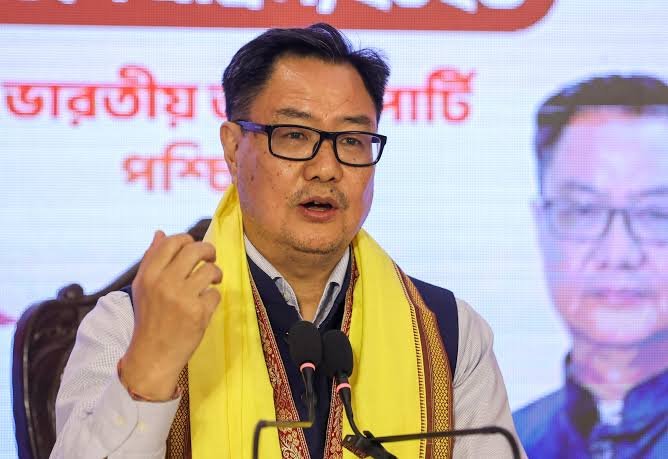
NEW DELHI, October 21 (Aalimi Nation) – Union Parliamentary Affairs Minister Kiren Rijiju has written to Congress president Mallikarjun Kharge saying the government consulted a broad section of the Opposition on the Delimitation Amendment Bill and the 33 per cent women's reservation agenda, but that the Congress did not provide time for discussions. The letter, dated October 19, is a reply to Kharge's own letter to Prime Minister Narendra Modi.
Kharge had sought an all-party meeting before any constitutional amendment on delimitation reaches Parliament. He had also drawn attention to the fact that Parliament has not been prorogued in the 64 days since it was adjourned sine die on August 13.
The consultation dispute
Rijiju said the government had reached out to the Congress, the main Opposition party, several times. He cited letters he wrote to Kharge on March 16, March 26 and April 12, and said he had also discussed the matter with Kharge in person. He said he also met Leader of Opposition in the Lok Sabha Rahul Gandhi during the Monsoon Session.
According to Rijiju, the Congress did not set dates for a discussion, so the government extended its outreach to other parties. He named the DMK, the Samajwadi Party, the YSRCP, the NCP, the Shiv Sena (UBT), the AIMIM and the BJD. Rijiju rejected the demand for an all-party meeting and said the Opposition should offer "constructive cooperation" rather than repeat the demand.
The Congress has not been quoted in response to the letter. Its stated position, as reported earlier, is that it opposes delimitation and wants a 33 per cent women's quota based on the current 543-member Lok Sabha.
The prorogation question
On Parliament not being prorogued, Rijiju said this was not unusual. He said the Constitution sets no specific deadline for proroguing a House after it is adjourned sine die, and that a delay does not by itself create a constitutional or procedural irregularity. He cited precedents of Houses left unprorogued for long periods, including 87 days in 2008, 76 days in 1987, 54 days in 1989, 49 days in 2006 and 2013, and 41 days in 1963.
Why the numbers matter
A constitutional amendment needs the support of two-thirds of the members present and voting in each House. Earlier reports on the government's thinking say a special session on delimitation and the women's quota is being considered, though no date has been announced by the government. Media calculations put the ruling alliance at about 320 to 324 in the Lok Sabha against the roughly 360 votes needed if all members vote; the government has not confirmed these estimates.
That arithmetic is why the attitudes of parties such as the DMK, which has 22 Lok Sabha members, and the NCP (SP), with eight, are being watched closely. Reports say they will decide after seeing the new draft Bill. In April, a proposal that every state receive 50 per cent more seats than its current Lok Sabha strength was defeated in the House.
What to watch next
The key questions are whether the government announces a special session, what formula it offers to southern states worried about losing representation, and whether the Congress agrees to any talks.