The office of the Archbishop of Canterbury has withdrawn an interfaith award presented to Pakistani religious leader Hafiz Muhammad Tahir Mehmood Ashrafi, following renewed scrutiny of comments he reportedly made about al-Qaeda founder Osama bin Laden in 2007.
LONDON|Aalimi Nation
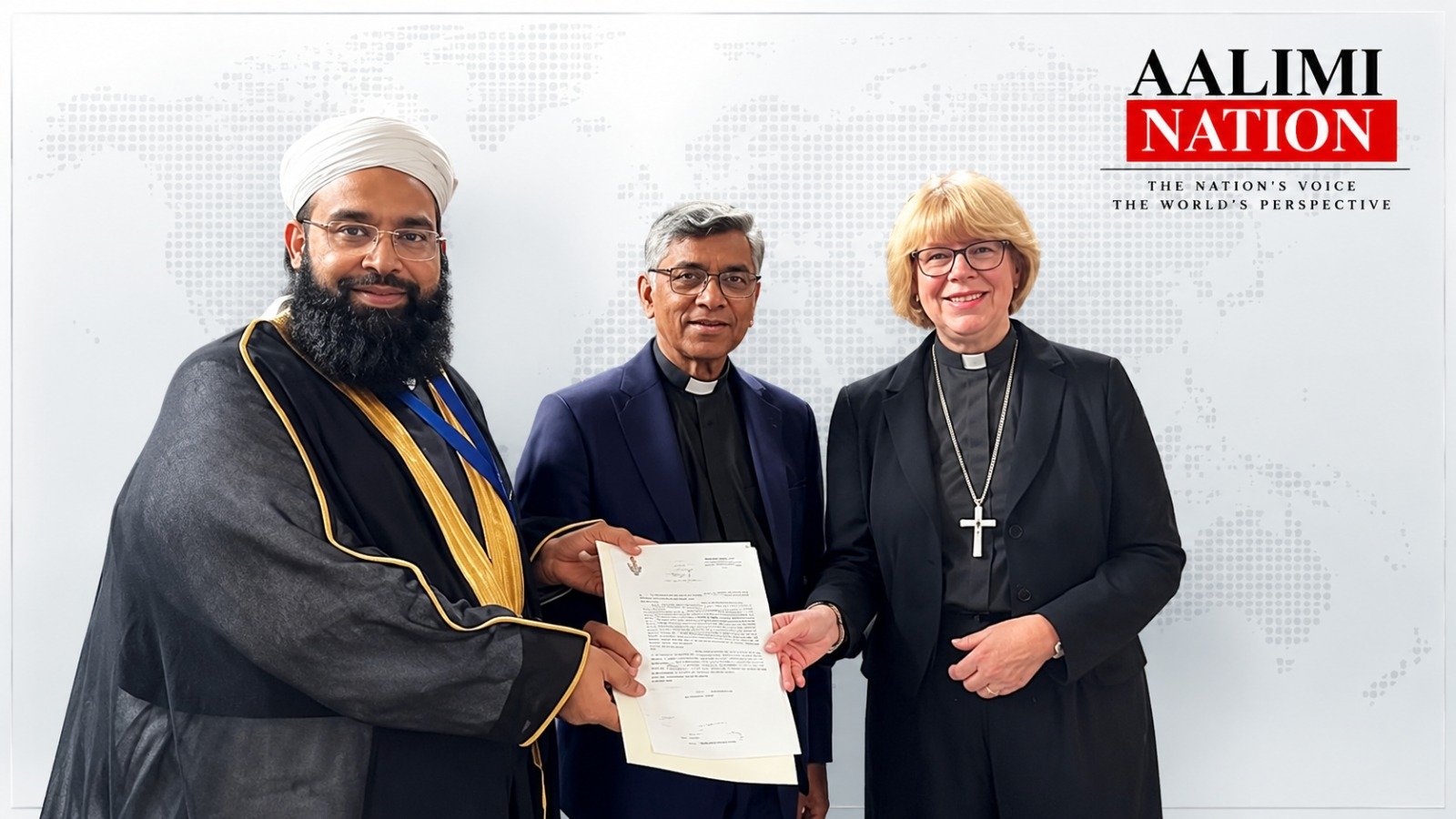
Ashrafi received the Hubert Walter Award for Reconciliation and Interfaith Cooperation at a ceremony at Lambeth Palace last week. The honour recognised his reported efforts to promote interfaith cooperation and support religious minorities, including Pakistan’s Christian community.
The award was presented on September 11, 2026, marking the 25th anniversary of the 9/11 attacks.
Previous remarks draw scrutiny
Following the ceremony, reports resurfaced concerning comments attributed to Ashrafi in 2007. He was reportedly quoted describing bin Laden as a “mujahid” fighting in the name of Islam against Russia, the United States and Britain.
Reports also cited remarks in which Ashrafi said he would refer to bin Laden as “Saifullah,” meaning “Sword of Allah.”
The comments were reportedly made during controversy in Pakistan surrounding Britain's decision to grant a knighthood to author Salman Rushdie.
Lambeth Palace withdraws award
In a statement issued on September 17, Lambeth Palace said the award had been presented in recognition of Ashrafi's longstanding work supporting religious minorities and interfaith relations.
The Archbishop's office said previously made comments had subsequently come to light and that, following reconsideration, the decision had been taken to withdraw the award. Ashrafi was informed of the decision.
Lambeth Palace also reaffirmed the importance of interfaith engagement and cooperation between religious communities, while expressing continued support for Christians in Pakistan and others working to promote religious harmony.
Ashrafi disputes criticism
Ashrafi has disputed the interpretation of his earlier remarks.
According to reports, his representatives said the 2007 comments were being presented without their broader context and argued that his subsequent public record opposing terrorism and violent extremism should also be taken into account.
The controversy therefore centres on statements attributed to Ashrafi nearly two decades ago and their interpretation in light of his later public activities and positions.
Award timing draws further attention
The timing of the ceremony also became a focus of public discussion because the award was presented on September 11, 2026, exactly 25 years after the 2001 terrorist attacks in the United States that killed nearly 3,000 people.
The Hubert Walter Award was intended to recognise reconciliation and interfaith cooperation. Its withdrawal followed the resurfacing of Ashrafi's earlier remarks and the subsequent review by Lambeth Palace.
The withdrawal of the award does not, by itself, establish Ashrafi's current views. The present controversy concerns his reported statements from 2007 and how those remarks are assessed alongside his later record and public statements.