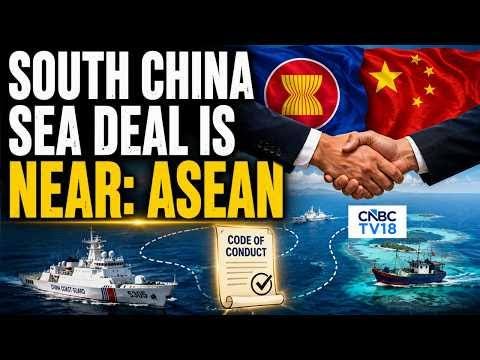
MANILA, November 16 (Aalimi Nation) – The South China Sea code of conduct talks between the Association of Southeast Asian Nations (ASEAN) and China ended without a conclusion at the bloc's summit in Manila, even though about 80 percent of the draft has been provisionally agreed.
Philippine Foreign Secretary Theresa Lazaro told a press conference on Sunday: "There is no conclusion yet." She said several key issues remain unresolved, among them whether the code would be legally binding, and that ASEAN members and China "have different views on how things are."
The Philippines, which chairs ASEAN this year, had pledged to speed up negotiations and conclude the code during its chairmanship. Ms Lazaro described the progress as a "substantial completion" of the text, saying about 80 percent of the draft's paragraphs have been provisionally agreed. She said at least five to six more months would be needed to settle what she called "milestone issues."
She said the parties agreed to keep negotiating toward an effective and substantive code "at the earliest possible time." Asked whether outside factors were behind the delay, she pointed to a lack of time, adding that some parties "have their sensitivities."
Singapore takes over the ASEAN chair next year and will inherit the nearly finished draft. No new deadline has been announced by ASEAN or China, according to the reports available so far.
Collin Koh, a senior fellow at the S. Rajaratnam School of International Studies in Singapore, said: "Other than Beijing, intramural divergences within Asean also play a significant role." He said disagreements within the bloc, including over the geographic scope of the code, have also slowed the talks, and that the remaining gaps would need "major concessions" from the parties.
ASEAN leaders had agreed in 2023 to finalise the code within three years, a target that coincided with the Philippine chairmanship.
ASEAN and China have negotiated a code for more than two decades. Southeast Asian states want the document to rest on international law, and some accuse Beijing of disregarding it. China says its actions in the waters have been lawful and professional.
China claims most of the South China Sea. Those claims overlap the exclusive economic zones of Brunei, Indonesia, Malaysia, the Philippines and Vietnam. In 2016, an international arbitration tribunal ruled that China's sweeping claims have no basis in international law, a ruling Beijing rejects.
Tensions between Manila and Beijing have been high in recent years. The Philippines accuses Chinese vessels of aggressive conduct in its exclusive economic zone, including dangerous manoeuvres, the use of water cannon and the disruption of resupply missions. China, for its part, accuses the Philippines of intruding into waters and features it considers its own territory.
With the Philippine chairmanship drawing to a close, the unresolved questions on legal status and scope pass to Singapore. Ms Lazaro said she expects the remaining discussions there to be limited in number.