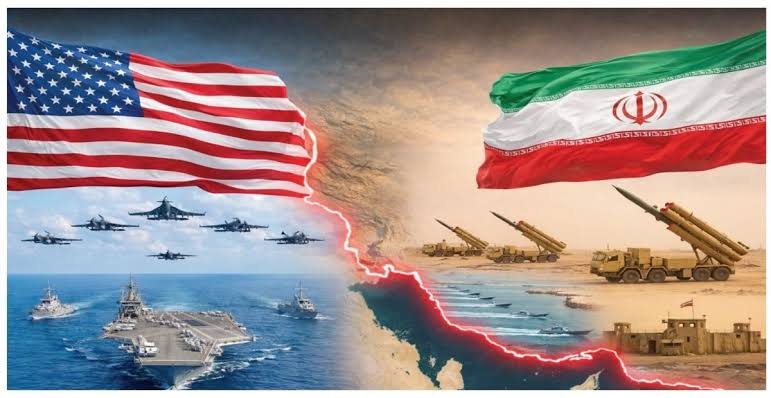
WASHINGTON, November 16 (Aalimi Nation) – A third US aircraft carrier has entered the Middle East, a US official said, as Iran's deputy foreign minister warned that Tehran "will not wait for the US to attack first" in the continuing conflict between the two countries.
US carrier strength in the Middle East
The USS Theodore Roosevelt, a nuclear-powered Nimitz-class carrier, arrived in the area covered by US Central Command on Sunday, according to a US official. Its arrival gives Washington three carrier strike groups in the region. The other two, the USS George H.W. Bush and the USS George Washington, have been operating in the Arabian Sea.
The Roosevelt was originally meant to relieve the George Washington, which is still in the region for now, the official said. Officials did not say how long all three carriers would remain.
Iran's warning to Washington
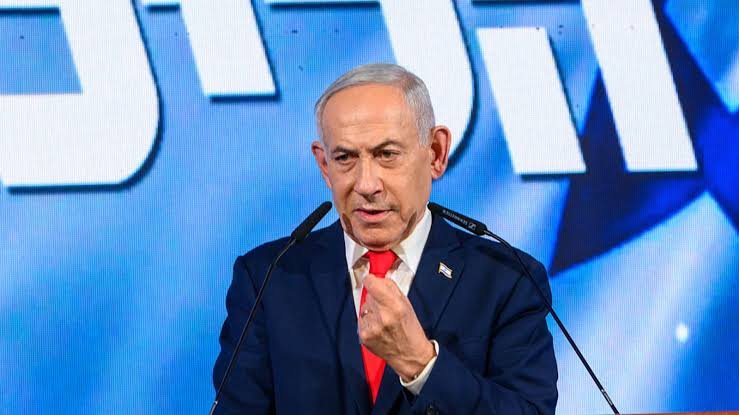
Kazem Gharibabadi, Iran's deputy foreign minister for legal and international affairs, said late on Sunday that Tehran "will not wait for the US to attack first." He suggested Washington may be using diplomacy to buy time while it prepares another military operation, and said the United States had shown "bad faith" at least three times over the past year and a half.
Gharibabadi also said the Revolutionary Guards would not grant inspectors from the International Atomic Energy Agency access to nuclear facilities until Iran's conditions are met and the war is permanently ended. He said the United States must first provide guarantees. It was not immediately clear how Washington would respond to the remarks.
Drone attacks and security alerts
The warning came after Iran's Islamic Revolutionary Guard Corps said it launched drones at a US helicopter base in Bahrain on Sunday, its first strike on a Gulf state in weeks. US Central Command said it intercepted the two drones that were launched. On Friday, the Guards had claimed they destroyed a US early warning radar in Bahrain. That claim has not been independently confirmed.
The United Arab Emirates foreign ministry condemned the renewed drone attack as a "flagrant violation of the sovereignty of the Kingdom of Bahrain." The US Embassy in Manama issued a security alert on November 15, warning residents of possible flight cancellations, airspace closures and travel disruptions. Separately, the Saudi-led coalition said it intercepted two ballistic missiles launched by Yemen's Houthis towards Riyadh.
Shipping risks in the Gulf
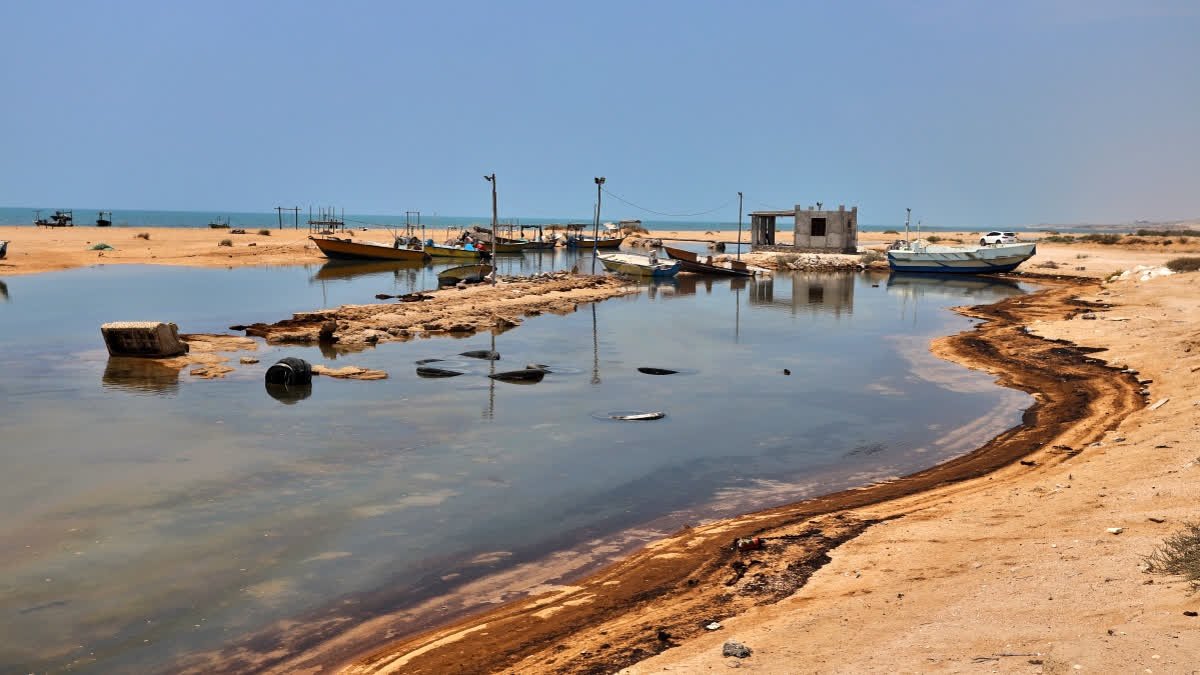
Iranian state television said five vessels struck mines and caught fire within the past 48 hours, without identifying them. The claim could not be verified. UK Maritime Trade Operations said Indian shipping authorities had reported an attack on a tanker in the Gulf. The crew was safe, and the extent of the damage was unknown.
Background and what comes next
The conflict began on February 28, when the United States and Israel launched a joint attack on Iran over its nuclear programme. Diplomatic efforts have not yet produced a breakthrough. Iranian Foreign Minister Abbas Araghchi is scheduled to visit Muscat on Tuesday for talks with his Omani counterpart.
Many of the claims about attacks and damage come from the parties to the conflict and have not been independently verified. This report will be updated as official statements become available.