NEW DELHI, October 24 (Aalimi Nation) – Brent crude briefly rose above $117 a barrel on Friday, its highest level since the war involving Iran began, as Tehran's Revolutionary Guard said it had disabled more commercial ships near the Strait of Hormuz and the United States disputed the claims.
Iran's Islamic Revolutionary Guard Corps (IRGC) Navy said on Friday that two supertankers struck naval mines in the southern part of the strait after trying to pass through what it called an "unauthorized route". According to the IRGC statement, explosions and fires in the engine rooms left both vessels disabled and stranded, and the crews abandoned ship near the southern coast. The two tankers were carrying more than 4.5 million barrels of crude oil combined, the Guard said. None of these accounts has been independently confirmed.
Hormuz shipping claims and counterclaims
The statement followed a series of claims earlier in the week. On Thursday, the IRGC said it had struck four vessels that used the southern route along the Omani coast, which the United States backs and Iran rejects, and that three more ships hit mines in lanes designated by Washington. On Friday, the Guard said it had disabled seven tankers near the strait. Iranian state television, citing an unnamed IRGC Navy source, said the movement of "non-compliant" vessels had been halted and warned that action would be "much more forceful" if United States escorts resumed.
President Donald Trump rejected the claims in a post on Thursday, saying Iran was trying to push up oil prices before the US midterm elections on November 3 and was "making up fake hits, mines, and everything else". He also said more oil was moving through Hormuz than before the war.
Oil prices and the political backdrop
Brent rose about 3.5 percent around midday on Friday to above $117, having stood below $97 at the start of October. Brent had reached $112 on Thursday morning, its highest since mid-May. Other market data put the Friday settlement slightly lower, at about $116.72, so the closing price and the intraday peak differ.
The United States has been escorting tankers out of the Gulf through the southern route and has urged shippers to use it to avoid Iranian tolls. Mike Waltz, the US ambassador to the United Nations, told a newspaper that the war could last another year and that the US Navy could maintain its blockade of Iranian ports "for the foreseeable future". Tom Barrack, the US ambassador to Turkey, said a strike over the weekend "absolutely" could happen when asked about the possibility.
Diplomacy and what to watch
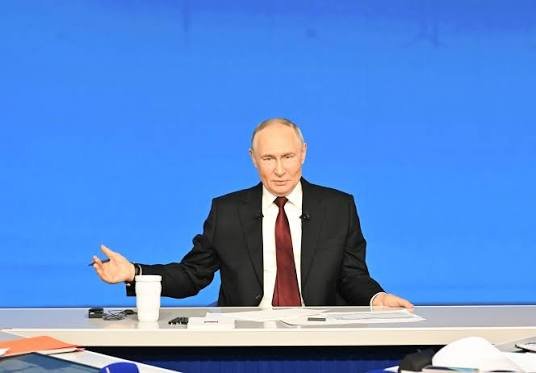
European and Middle Eastern foreign ministers meeting in Istanbul on Friday urged diplomacy over new attacks. French Foreign Minister Jean-Noel Barrot warned that escalation would have "very serious consequences" for oil prices. Iranian Foreign Minister Abbas Araghchi said President Masoud Pezeshkian will travel to Moscow next week to meet Russian President Vladimir Putin.
In the coming days, markets and shipping companies will watch whether further vessels are reported hit, whether US escorts continue along the southern route, and whether Washington acts on its signals about resuming strikes. Iranian and American accounts of what has happened at sea continue to differ, and the IRGC's claims remain unverified by independent sources.