UN Secretary-General António Guterres warned that humanity is on track to exceed the internationally recognised 1.5°C temperature limit above pre-industrial levels within the next few years, but stressed that the worst consequences can still be limited if governments dramatically accelerate climate action.
“The fight for 1.5 degrees is the fight for humanity,” Guterres said, warning that the world is moving beyond the threshold intended to protect communities and ecosystems from the most severe effects of climate change.
The warning came alongside a new report from the UN Environment Programme (UNEP), which says climate risks will continue to intensify as temperatures rise and remain elevated.
Every Fraction of a Degree Matters
UNEP Executive Director Inger Andersen said the consequences of rising temperatures are already becoming increasingly severe.
Extreme heatwaves are demonstrating that climate impacts are arriving faster and lasting longer, putting lives, livelihoods and economies under growing pressure, she said.
“There are no good outcomes if temperatures remain above 1.5°C consistently,” Andersen warned, urging governments to intensify efforts to reduce greenhouse-gas emissions while strengthening climate resilience and adaptation.
Guterres echoed the warning, saying every additional fraction of a degree of warming could bring further loss of life, damage to livelihoods, greater inequality and increasing pressure on ecosystems.
“Every fraction of a degree will cost lives, destroy livelihoods, deepen inequality and push ecosystems closer to irreversible damage,” he said.
World Still Has a Chance to Limit Warming
Despite the increasingly severe outlook, the UN says the 1.5°C target should not be regarded as beyond reach.
Guterres said the world could still bring warming back below the threshold by the end of the century if the period of “overshoot” is kept as small and short as possible.
That would require governments to move much faster in reducing emissions and transforming energy systems, he said.
Among the key priorities are:
Accelerating the phaseout of fossil fuels;
Expanding renewable energy;
Dramatically reducing methane emissions;
Protecting forests, land and oceans;
Strengthening adaptation and climate resilience;
Increasing climate finance for vulnerable countries; and
Raising the ambition of national climate plans and net-zero commitments.
“The science is clear,” Guterres said. “The solutions are at hand, and the world has never been better equipped to deploy them.”
Climate Impacts Will Intensify Above 1.5°C
The new UN report warns that climate risks increase with every additional fraction of a degree of warming.
Higher temperatures are expected to bring more intense extreme weather, greater ecosystem loss and increasingly serious threats to human health, food security, water supplies, infrastructure and economies.
Low-lying coastal cities and small island developing states face particularly serious risks from rising seas and other climate impacts.
The report also highlights the possibility of major climate tipping points becoming increasingly likely as warming intensifies and persists.
These include potential destabilisation of major ice sheets and severe degradation of the Amazon rainforest, changes that could trigger long-lasting and potentially irreversible consequences.
Adaptation and Mitigation Must Move Together
The UN stressed that cutting emissions alone will not be enough.
Governments must simultaneously prepare communities for climate impacts that are already unavoidable, including extreme heat, flooding, drought and ecosystem disruption.
Nature-based solutions, including measures that provide cooling in urban and vulnerable areas, can play an important role in strengthening resilience while delivering wider environmental benefits.
The report also stresses that reaching net zero should not be viewed as the final destination. Sustained reductions in greenhouse-gas emissions beyond net zero will ultimately be needed to move towards net-negative emissions and reduce long-term warming.
Finance and Political Will Remain Critical
The UN says climate action will depend not only on technology but also on political commitment, effective policies, inclusive governance and international cooperation.
Developed countries, which have contributed disproportionately to historical greenhouse-gas emissions, face particular pressure to move faster and provide greater support to countries most vulnerable to climate impacts.
Guterres has called for developed nations to significantly increase adaptation finance and ensure that resources reach communities facing the greatest risks.
The UN argues that countries with greater responsibility for climate change should act with the greatest urgency and ambition.
A Global Warning
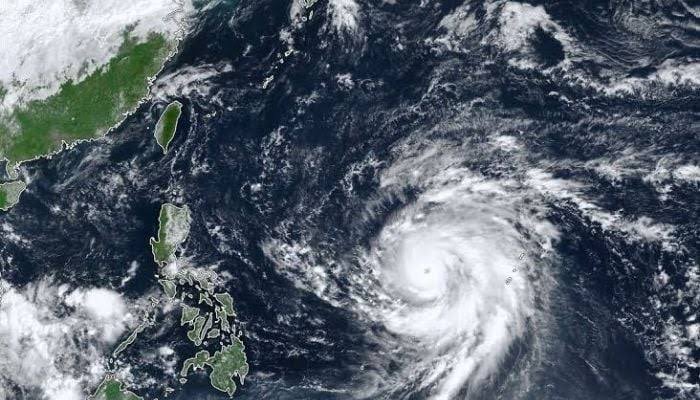
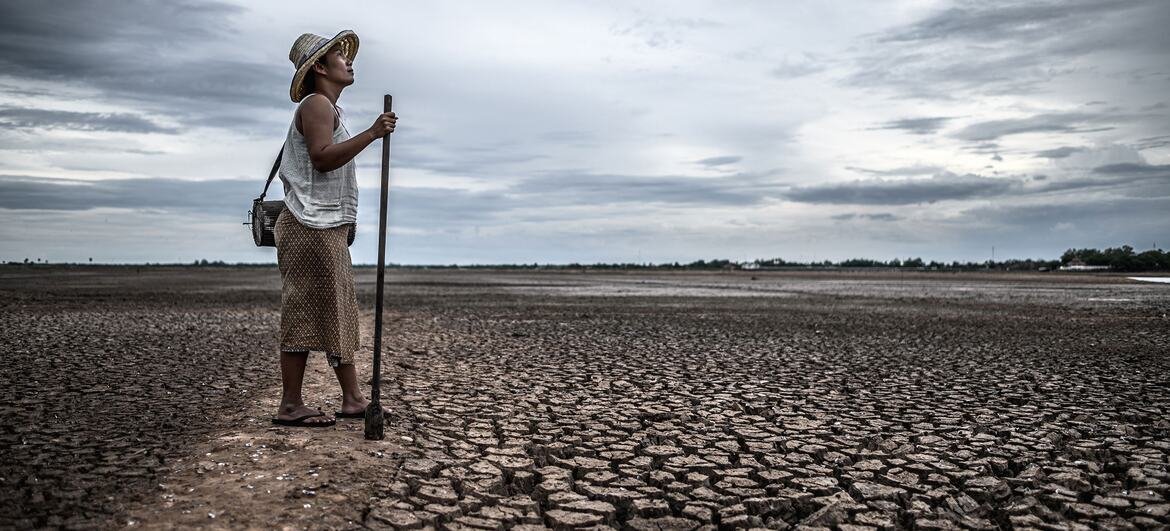
The latest warning comes as extreme weather events continue to affect communities across the world, from prolonged heatwaves and wildfires to devastating floods and drought.
The UN says these events should not be viewed as isolated disasters but as increasingly visible consequences of a warming planet.
The central message is therefore both urgent and hopeful: the world is moving dangerously close to — and may soon temporarily exceed — the 1.5°C threshold, but the scale and duration of that overshoot can still be influenced by decisions being made today.
The coming years will determine whether governments can turn climate commitments into rapid, measurable action.
For the UN, the choice is increasingly clear: act now to limit the damage, or face far greater human, economic and environmental costs in the decades ahead.