VIENNA, November 13 (Aalimi Nation) – The International Atomic Energy Agency (IAEA) has told its member states that it is "increasingly concerned" about an underground uranium-enrichment plant in Isfahan that Iran declared but has not opened to inspectors, according to a confidential quarterly report circulated on Friday.
What the report says
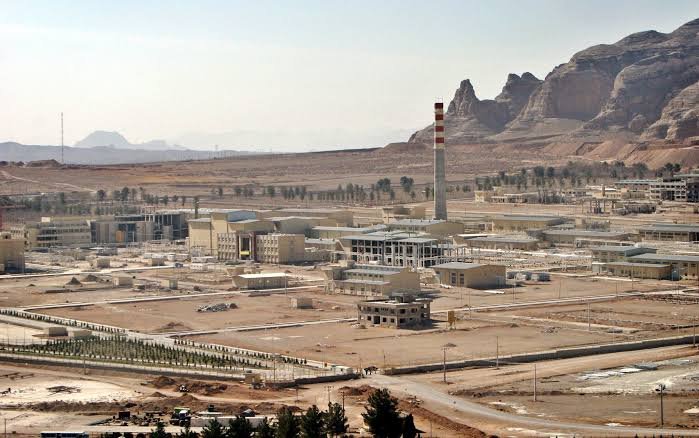
The report concerns the Isfahan Fuel Enrichment Plant, known by the abbreviation IFEP. Iran declared the facility after the strikes of June 2025, but the agency's inspectors have not been allowed to visit it.
"The Agency does not know IFEP's exact location, status for safeguards purposes or whether it contains nuclear material," the report said, in the wording of the extracts that have been published.
The document also states that Iran has not allowed IAEA inspectors to return to any of its nuclear facilities that were bombed by Israel and the United States during a 12-day campaign in June 2025. Monitors have been shut out of Iran's enrichment sites since then, the agency indicated.
Why it matters
Safeguards are the checks through which the agency verifies that nuclear material is not diverted from peaceful use. Without access, the IAEA says it cannot confirm what is inside a declared plant or whether any material is there at all. The report describes the lack of information as a growing source of worry for the agency.
The findings come at a sensitive moment. Iran and the United States are caught up in a wider confrontation, and a number of developments in recent days, including Iranian claims of strikes on US positions in the Gulf, have kept tensions high. Washington has said that the nuclear question must form part of any settlement.
Iran's position
No Iranian response to the new report had been published at the time of writing. Earlier, on October 31, Mohsen Rezaei, secretary of Iran's Supreme National Security Council, told state television that Iran was debating whether to keep its long-standing ban on nuclear weapons if hostilities resumed, though he said no decision had been made. He also said: "We seriously follow diplomacy but will not abandon the rights of the Iranian people."
Rezaei added that the nuclear issue could be discussed only after the United States met Iran's demands, and that Iran's rights under the Non-Proliferation Treaty should be respected in any later negotiations.
What remains unclear
The report's publication leaves several questions open. The agency has said it does not know where the plant is or what it contains, and Iran has not publicly explained why inspectors have not been given access. Neither the United States nor Israel has been reported to have commented on the latest report so far.
Diplomats usually discuss the agency's quarterly findings at meetings of its Board of Governors in Vienna, where member states can decide whether to press Iran further or to seek a resolution. The date and agenda of any such discussion on this report were not confirmed in the material available.
Aalimi Nation will report further once Iran, the agency or other governments respond.