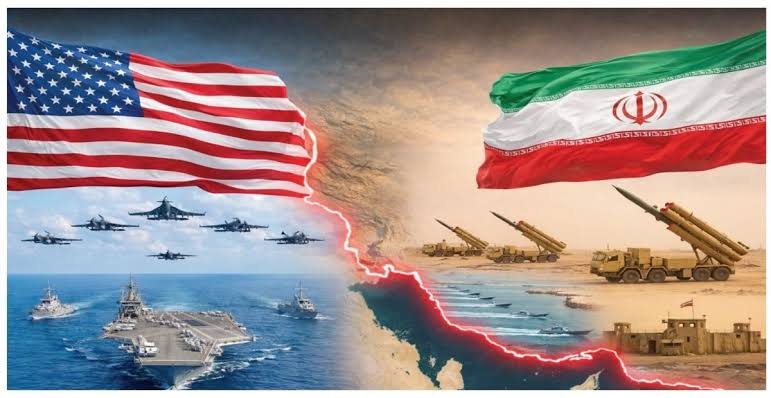
TEHRAN, November 11 (Aalimi Nation) – Iran has denied that it is holding negotiations with the United States, and its top security official said the Strait of Hormuz will remain closed until Washington meets seven conditions set by Tehran.
Mohsen Rezaei, secretary of Iran's Supreme National Security Council, said in a television interview on Tuesday that claims of continuing negotiations, or of a meeting in Qatar, were "a pure lie". He said Washington was talking up diplomacy to ease economic pressure on itself and bring down oil prices.
Iran denies talks and keeps Hormuz closed
Rezaei said Tehran was waiting for an "explicit and clear response" to its seven conditions, and described the initial US reply as insufficient and deceptive. Iranian officials have not published the full list. Based on remarks by Iranian officials, the demands include lifting US sanctions and the American naval blockade, releasing frozen state assets and compensation for damage from US and Israeli strikes.
Foreign Minister Abbas Araghchi said the conflict would not be resolved through military means or by tightening sanctions. He said Hormuz could reopen within two days if Iran's demands, set out in what he called a two-day proposal, were accepted.
Washington rejects the demands
Secretary of State Marco Rubio, speaking to reporters in Paris on the sidelines of a meeting of G7 foreign ministers, rejected the demand for reparations. He said Iran should instead pay for having destabilised the region over a long period. He described Tehran's current conditions as "absurd" and "not serious", and said the United States was not close to a breakthrough.
Rubio also said Iran was asking for "pallets of cash", a prospect President Donald Trump has said "is not going to happen". The United States, he said, has "options beyond war", and sanctions and the naval blockade were working, so major combat operations were not immediately necessary.
Mixed signals on diplomacy
The exchange followed talks at the White House on Monday between Trump and Qatar's Prime Minister, Sheikh Mohammed bin Abdulrahman bin Jassim Al Thani. Qatar is a key mediator in the conflict. Trump said he saw "positive momentum" towards ending the fighting and that new attacks on Iran were unnecessary. Qatar's prime minister later met the Saudi foreign minister and senior European diplomats in Paris, where the G7 ministers had gathered. Iran says no negotiations are taking place, and neither account could be independently verified.
Oil prices and shipping
Energy markets have reacted to the signs that Washington is holding off on fresh strikes. Brent crude fell 2.2 per cent to $90.51 a barrel on Tuesday, according to market data, and oil prices were reported to have fallen to two-month lows before easing further on Wednesday.
The closure of Hormuz, a key route for oil and gas shipments from the Gulf, has disrupted supplies and pushed up prices worldwide since the conflict began.
Much now depends on whether Washington gives the response Tehran has asked for, and whether Qatar and other mediators can bridge a gap on sanctions, the blockade and compensation. Iranian officials say the strait will reopen only after their conditions are met. US officials say they are open to diplomacy but will not accept what they call unrealistic demands.