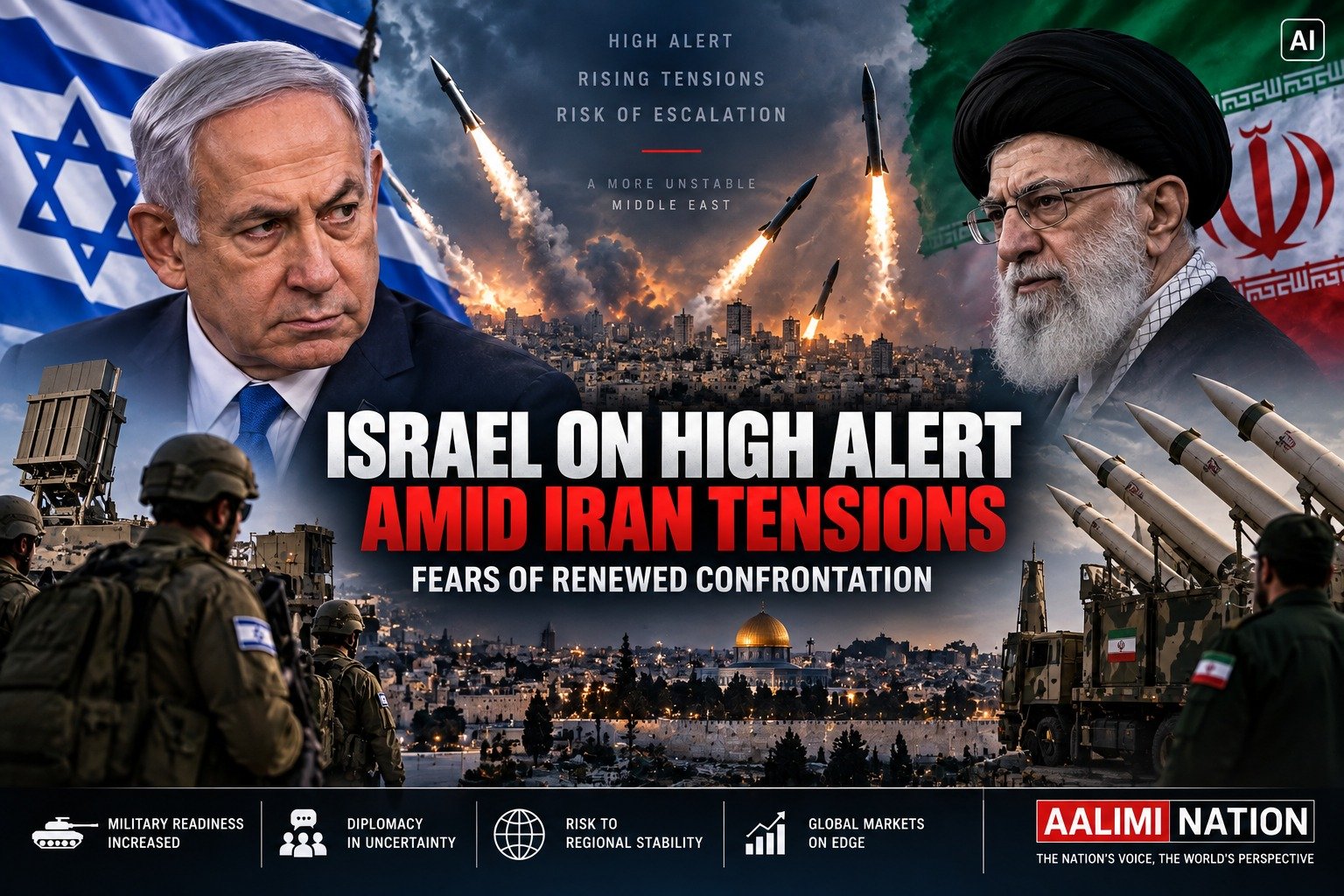
NEW DELHI, September 22, 2026: Israel has increased its security readiness amid growing concerns over a possible renewed confrontation with Iran, as diplomatic efforts between Washington and Tehran face renewed uncertainty.
Israeli security officials have reportedly described the current situation as highly sensitive and fluid, warning that events could deteriorate rapidly if diplomatic efforts fail.
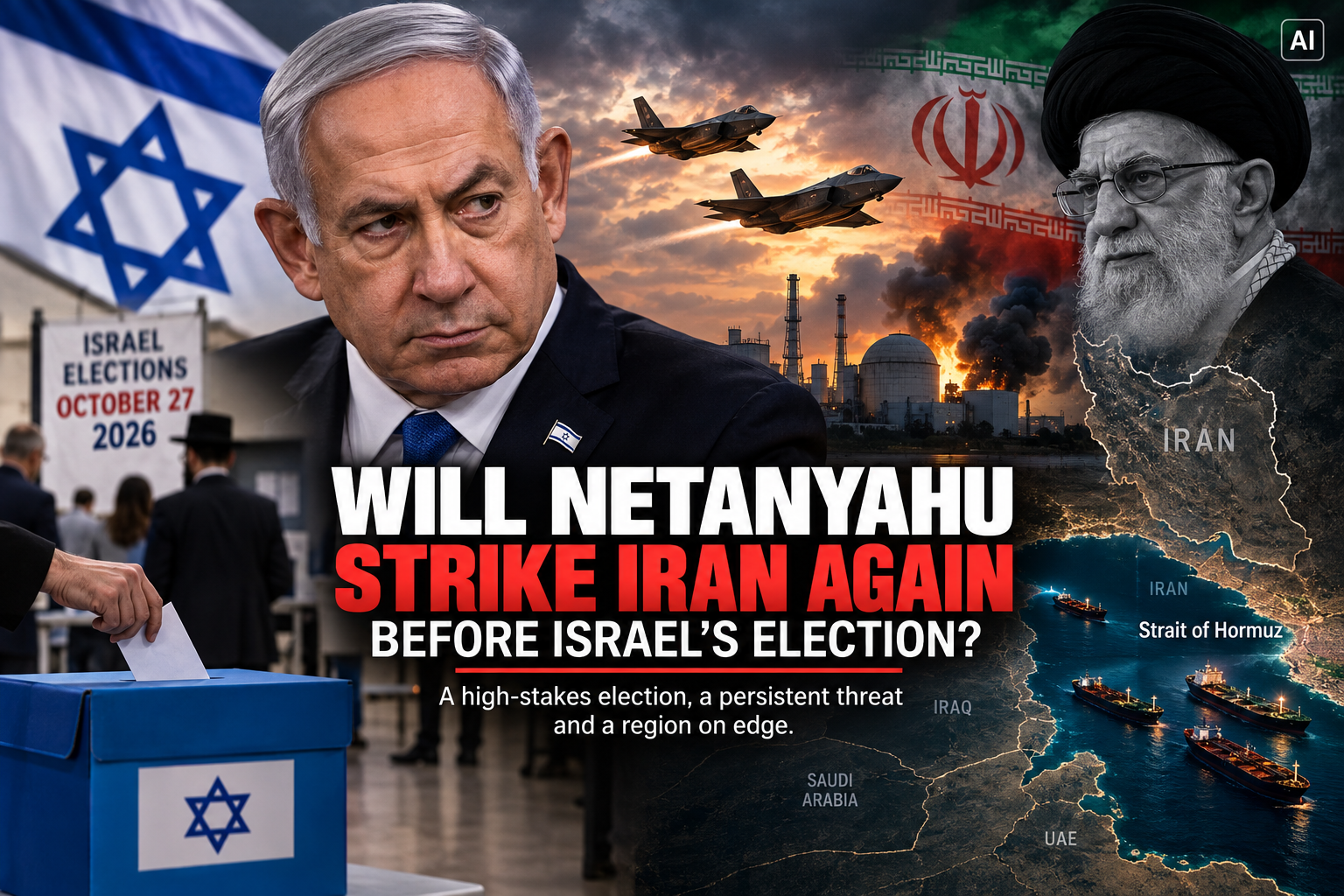
Israel's Channel 12 reported that Israeli security officials are particularly concerned about the possibility of an Iranian pre-emptive move if Tehran concludes that negotiations are being used to prepare for further military action. The report said Israeli forces remain at a high level of readiness, including preparations for both defensive operations and potential offensive action.
The claims could not be independently verified.
Israel Prepares for Possible Escalation
According to Channel 12, Israeli security assessments have focused on several possible scenarios if tensions escalate.
These include Iranian missile attacks against Israeli territory, attacks against Israeli interests overseas and possible threats to Jewish communities abroad.
Israeli officials are also reportedly examining whether developments involving the United States, Iran and Lebanon could trigger a wider confrontation.
The Israeli broadcaster described the situation as a particularly sensitive point in the crisis, with security officials warning that events could potentially move beyond diplomatic control.
The heightened alert comes as Israel observes Yom Kippur and remains on heightened security footing. The Associated Press also reported that Israeli military alert levels remained high amid wider regional instability.
Iran Warns of a Wider War
Iran's Islamic Revolutionary Guard Corps has responded with a strong warning of its own.
IRGC spokesman Brigadier General Hossein Mohebbi said that if the United States launches another attack, Iran would change both its military strategy and the geographical scope of the conflict.
He said Iran would introduce new weapons and capabilities and target locations that had not previously been attacked.
"If a new attack takes place, our defense and offensive operations will change significantly."
Mohebbi's remarks were reported by Iran's Fars news agency and separately by international media.
The IRGC spokesman did not publicly provide details about the weapons or locations he was referring to. His claims about Iran's undisclosed military capabilities cannot be independently verified.
The warning nevertheless signals that Tehran is seeking to deter another U.S. military operation by threatening a potentially broader response.
Trump Signals Major Decision on Iran
The latest escalation comes as U.S. President Donald Trump has again raised the possibility of major action against Iran.
Trump has indicated that he is considering several possible approaches, including reaching a deal with Tehran, continuing economic pressure or taking further military action.
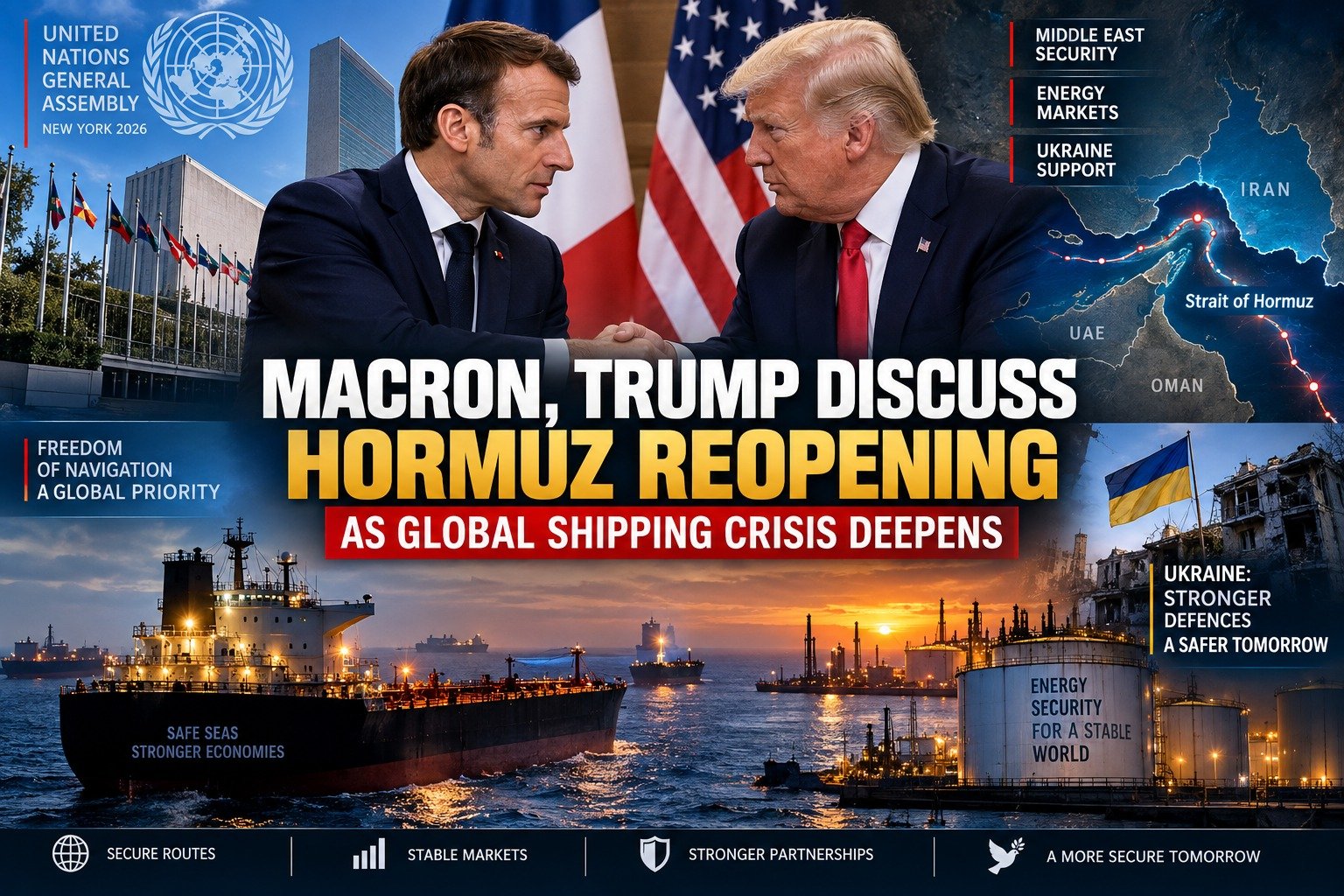
Reuters reported on September 22 that Trump was expected to use his meetings on the sidelines of the United Nations General Assembly to discuss the Iran crisis, while also leaving open the possibility of meeting Iranian President Masoud Pezeshkian.
Trump's position has kept markets and governments watching closely for signs of whether Washington will pursue diplomacy or return to a more aggressive military strategy.
Diplomacy Has Not Completely Collapsed
Despite the increasingly hostile rhetoric, diplomatic channels remain open.
Iranian President Masoud Pezeshkian and Foreign Minister Abbas Araghchi are in New York for the UN General Assembly, while the United States has allowed the Iranian delegation to attend the session despite the ongoing conflict. Reuters reported that Washington granted permission for the Iranian delegation, including Pezeshkian and Araghchi, to enter the United States for the UN meetings.
The presence of the Iranian leadership in New York provides an opportunity for indirect or direct diplomatic contacts at a time when tensions remain extremely high.
Qatar and Pakistan have also previously played important roles in efforts to mediate between Washington and Tehran. Earlier negotiations involved both countries as intermediaries, with Pakistan facilitating communication and Qatar maintaining contact with the parties.
Hormuz Remains a Major Flashpoint
The crisis is also closely linked to the security of the Strait of Hormuz, one of the world's most important energy corridors.
Shipping through the waterway has been severely disrupted, while the United States, Iran and regional actors remain locked in a broader confrontation.
The situation has already affected global oil prices. Reuters reported on September 22 that Brent crude rose 1.7% to $102.06 a barrel, while U.S. West Texas Intermediate rose to $97.40, as investors watched for possible U.S.-Iran talks at the UN.
Saudi Arabia has also increased crude exports through Hormuz, according to Reuters, as it attempts to compensate for disruptions affecting other export routes.
Any further military escalation could therefore have consequences well beyond the Middle East, particularly for energy markets, shipping costs and inflation.
A Dangerous Cycle of Warnings
The latest developments illustrate a familiar pattern in the current crisis.
Washington is demanding major changes from Tehran, while Iran insists that further military pressure will be met with retaliation. Israel remains concerned about Iranian capabilities and possible attacks, while Israeli forces continue to maintain a high state of readiness.
At the same time, diplomatic efforts have not disappeared.
This combination — military preparations alongside negotiations — creates a particularly unstable environment in which a single attack, miscalculation or intelligence assessment could potentially trigger a wider confrontation.
The Associated Press reported that an unidentified projectile recently struck a tanker in the Strait of Hormuz, injuring two crew members, while violence involving Iran-backed Houthi forces has also intensified in Yemen.
What Happens Next?
The immediate question is whether Washington and Tehran can restore a meaningful diplomatic channel before another military escalation occurs.
For Israel, the central concern remains the possibility of an Iranian attack or a wider regional response. For Iran, the priority appears to be deterring further American and Israeli military action while maintaining leverage in negotiations.
For the United States, the challenge is balancing military pressure with the possibility of a diplomatic settlement.
The coming days at the United Nations General Assembly could therefore prove significant.
For now, there is no confirmed announcement of a new U.S. or Israeli attack on Iran. But the combination of heightened Israeli military readiness, Iranian warnings, uncertainty over negotiations and continuing disruption around the Strait of Hormuz means the region remains highly volatile.
The next major development could come through diplomacy — or through an incident that rapidly changes the calculations of all three sides.