Saudi Crown Prince says Riyadh is making every effort to de-escalate tensions and support diplomatic solutions
Riyadh, October 1, 2026: Saudi Crown Prince and Prime Minister Mohammed bin Salman has said the Makkah Joint Defence Agreement between Saudi Arabia, Türkiye and Pakistan is part of the three countries’ shared efforts to promote peace, security and stability in the region.
Addressing the opening of the third year of the ninth session of the Shura Council, Mohammed bin Salman said Saudi Arabia’s role in promoting regional stability and protecting the region from the effects of tensions and conflicts had contributed to the establishment of the trilateral defence framework.
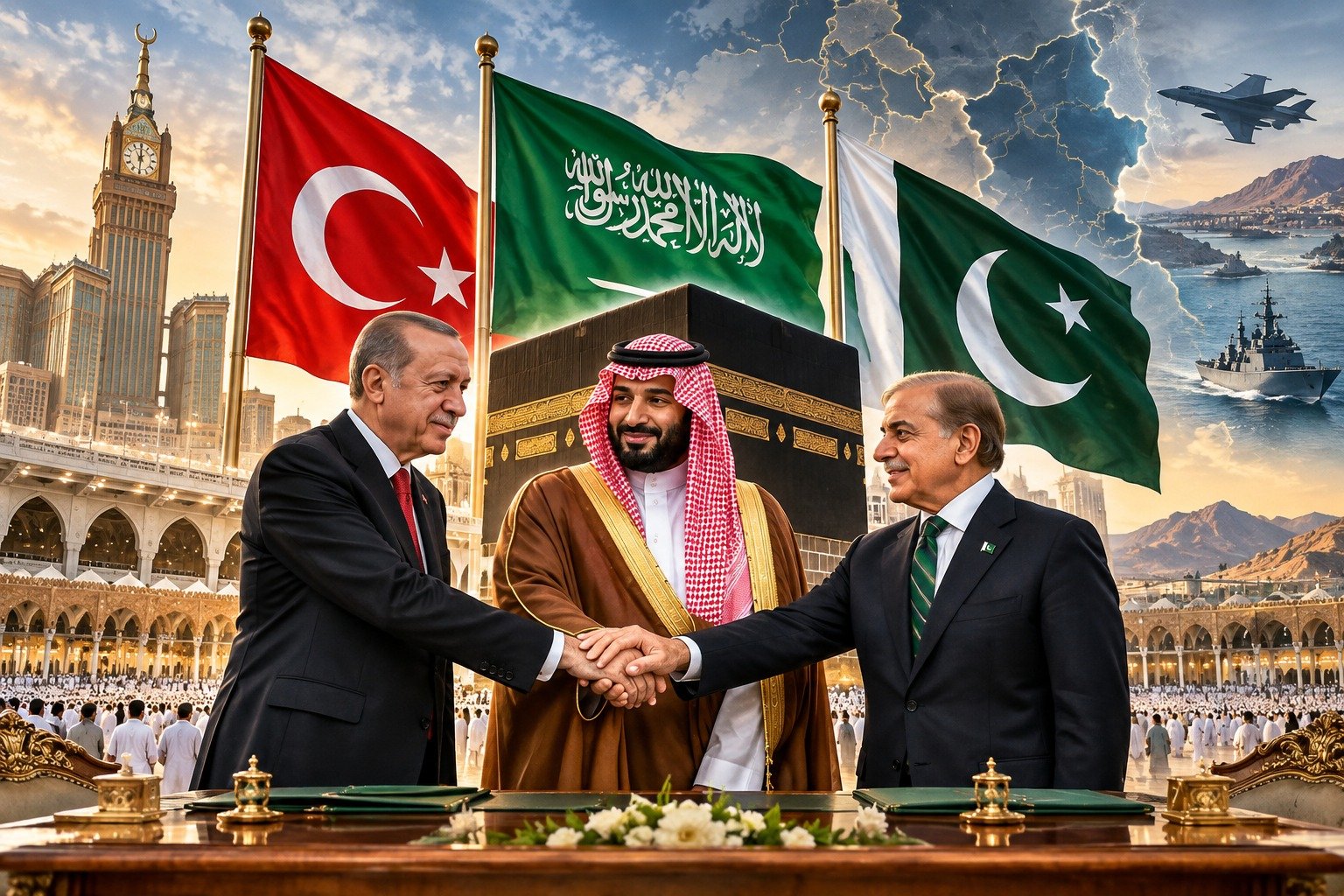
The Makkah Joint Defence Agreement was signed by Mohammed bin Salman, Turkish President Recep Tayyip Erdoğan and Pakistani Prime Minister Shehbaz Sharif in Makkah on August 7, 2026. The agreement provides that an armed attack against any one of the three countries would be regarded as an attack against all three, while also expanding defence cooperation.
Saudi Arabia vows to protect its security
Mohammed bin Salman said Saudi Arabia possesses highly capable human and military resources that enable it to confront and deter various sources of threats.
He praised the country’s armed forces and security personnel for their vigilance and readiness, saying that security, stability and prosperity remain central to Saudi Arabia’s national approach.
The Crown Prince stressed that Riyadh would continue efforts to reduce tensions and support diplomatic solutions without compromising the Kingdom’s security.
He also said Saudi Arabia would respond decisively to any threat or attack that endangered its security.
Gulf security is an indivisible whole
The Saudi Crown Prince said attacks targeting Gulf Cooperation Council (GCC) states demonstrated that Gulf security and stability are interconnected and indivisible.
He said Saudi Arabia was working with other GCC countries to strengthen strategic cooperation, economic integration and collective action, with the aim of advancing the Council’s objectives and meeting the aspirations of its people.
Saudi Arabia has also been working with Türkiye and Pakistan to institutionalise the Makkah defence framework. The three countries have established mechanisms and committees to develop defence cooperation, while a permanent secretariat is being established in Saudi Arabia.
Riyadh backs de-escalation and diplomatic solutions
Mohammed bin Salman said Saudi Arabia was continuing to work with its partners to reduce tensions and promote regional and international stability.
The three countries have separately reaffirmed their commitment to de-escalation, peaceful resolution of crises, respect for state sovereignty and international law, as well as the security and freedom of maritime navigation.
The Crown Prince also praised countries that have stood with Saudi Arabia and supported its security and stability.
Saudi Arabia highlights role in global energy security
Mohammed bin Salman said the world was facing significant challenges to energy security and stressed Saudi Arabia’s role in maintaining stable supplies to international markets.
He said the Kingdom retained the ability to ensure the continued supply of oil to global markets despite regional tensions.
Multinational maritime defence cooperation
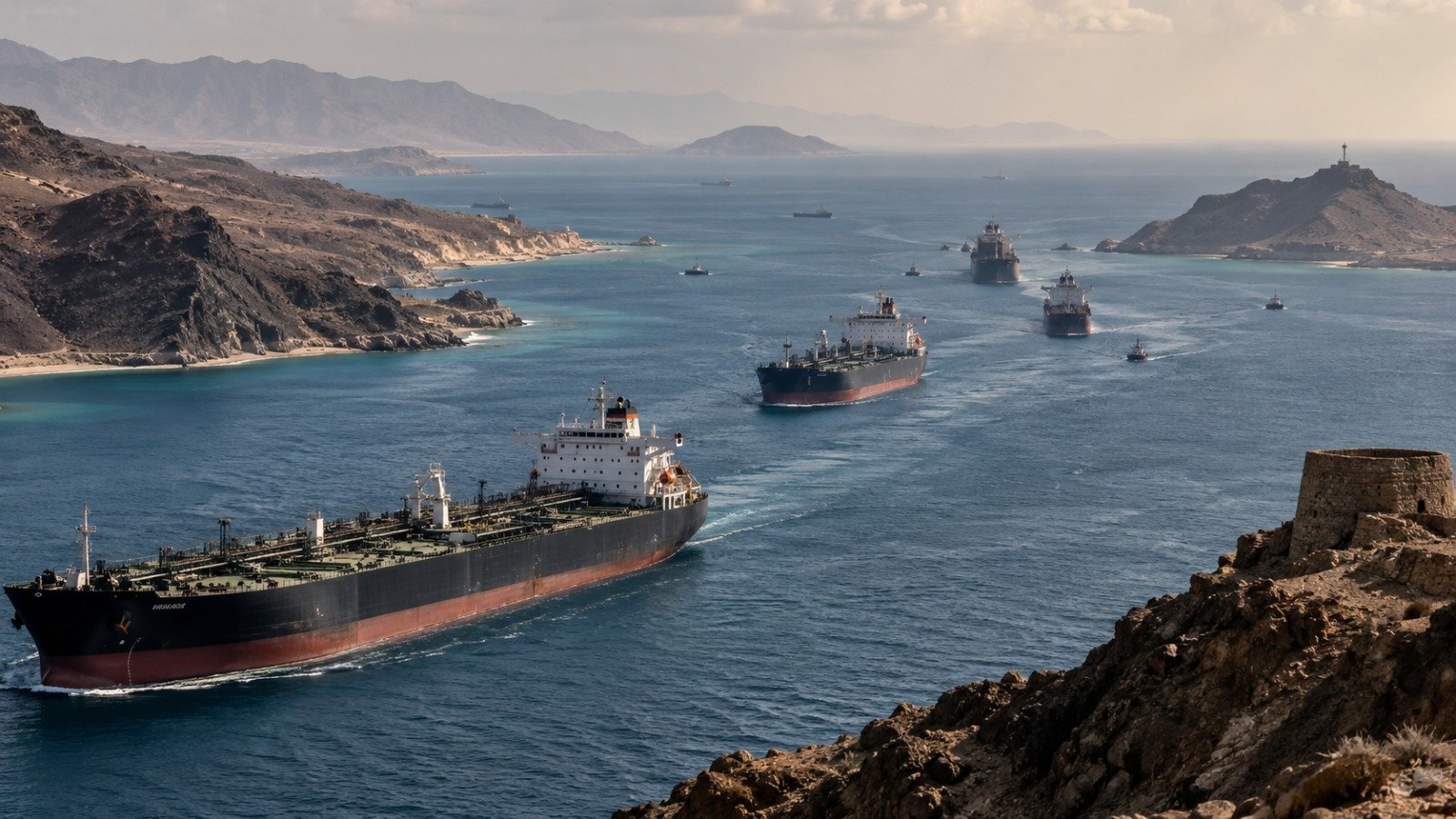
The Saudi Crown Prince also referred to Saudi Arabia’s initiative to establish a multinational maritime defence alliance aimed at strengthening maritime security and protecting shared interests along international shipping routes.
He said international waterways should not be used as instruments of political or economic pressure and stressed the importance of safeguarding freedom of navigation.
Mohammed bin Salman also called on the international community to fulfil its responsibilities and ensure the safe delivery of essential commodities and humanitarian assistance.
The latest comments come as Saudi Arabia, Türkiye and Pakistan continue efforts to translate the Makkah Joint Defence Agreement into practical defence cooperation. In September, the three countries’ foreign ministers discussed the establishment of the agreement’s secretariat and working groups, while military chiefs reaffirmed their commitment to collective defence.