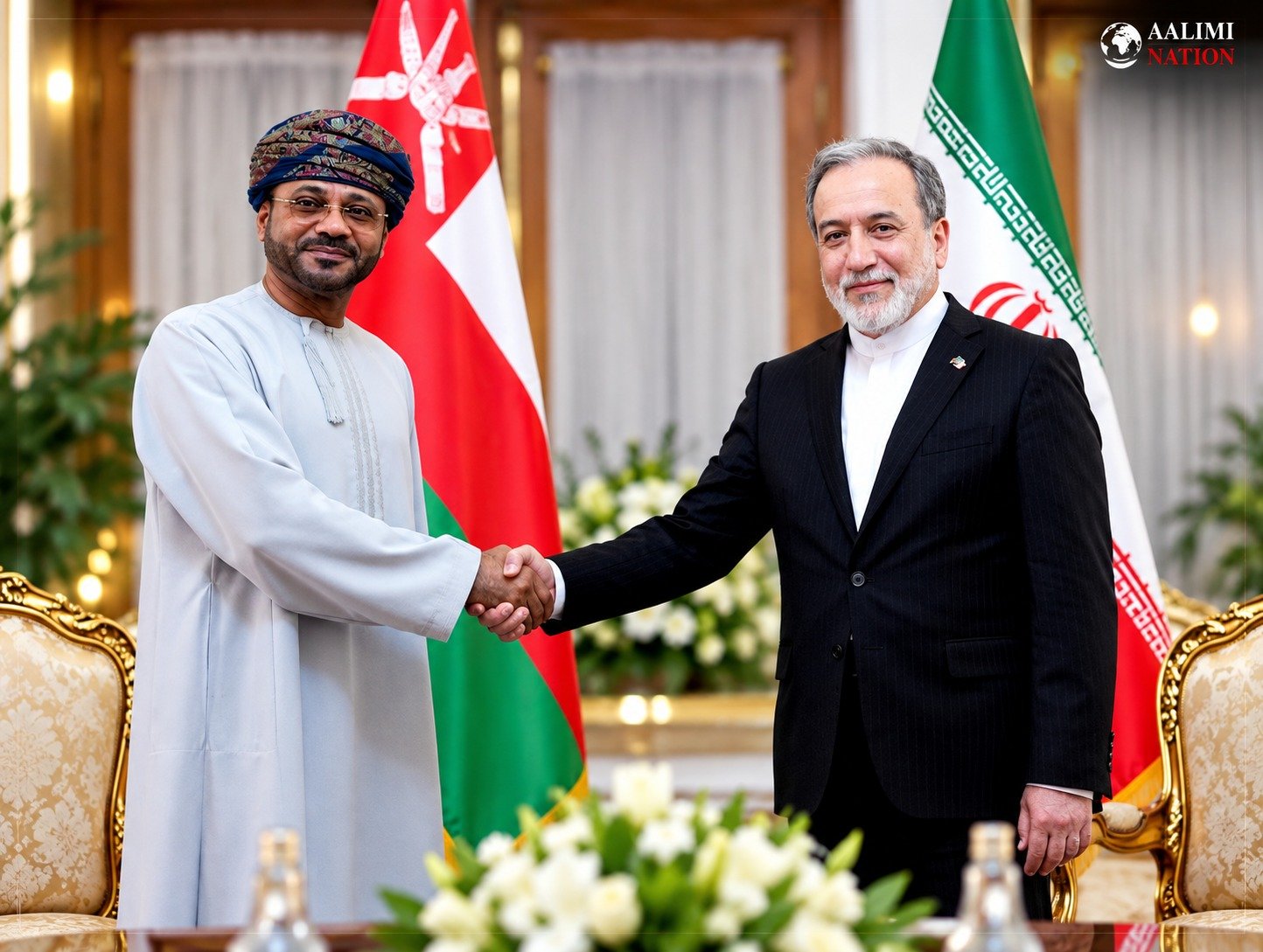
TEHRAN — Iran has said that a regional meeting scheduled to take place in Oman on maritime traffic through the Strait of Hormuz was postponed at the request of Saudi Arabia, adding a new complication to diplomatic efforts aimed at reducing tensions around the strategically important waterway.
Iranian Foreign Ministry spokesperson Esmaeil Baghaei made the statement during his weekly press briefing, saying that the meeting had been intended to bring Iran and the seven Gulf states together in the Omani city of Salalah.
The meeting was expected to focus on arrangements and security concerns surrounding maritime traffic through the Strait of Hormuz, one of the world's most important energy corridors.
Baghaei said the meeting represented an opportunity provided jointly by Iran and Oman for regional countries to discuss their concerns directly.
“It was an opportunity provided by Iran and Oman,” Baghaei said, arguing that regional states should have recognised the importance of the initiative.
He said that, despite what he described as Iran's legitimate concerns, the meeting offered a suitable opportunity for the countries involved to communicate with one another without the intervention or influence of outside powers.
Iran criticises outside influence
Baghaei strongly criticised what he described as external interference in regional affairs.
He argued that responsible regional actors should not allow a meeting of this nature to be prevented because of pressure from countries outside the region or for reasons that, in Iran's view, were unrelated to Tehran.
The Iranian spokesperson said the countries should have used the opportunity to engage in direct regional dialogue rather than allowing external considerations to determine whether the meeting could take place.
Iran has repeatedly promoted the idea of regional mechanisms for addressing security and maritime issues without direct involvement by outside powers, particularly the United States.
No new date announced
No new date has yet been announced for the meeting.
The postponement was first announced on Sunday night by Omani Foreign Minister Badr Albusaidi, who said the regional gathering in Salalah had been delayed.
Oman has traditionally played an important diplomatic role between Iran and Arab Gulf states and has frequently acted as a channel for dialogue during periods of heightened regional tension.
The decision to postpone the meeting therefore represents a setback, at least temporarily, to Muscat's efforts to facilitate direct regional discussions over maritime security.
Bahrain had already objected
The planned meeting was also facing difficulties before the postponement.
Bahrain had already indicated that it would not participate because Iran was taking part, adding to divisions among the prospective participants.
The disagreement highlights the political sensitivity surrounding any regional arrangement involving Iran and the Gulf Arab states.
While some Gulf countries maintain diplomatic and economic relations with Tehran, they remain deeply concerned about Iran's regional military influence and its policies toward Gulf security.
Why the Strait of Hormuz matters
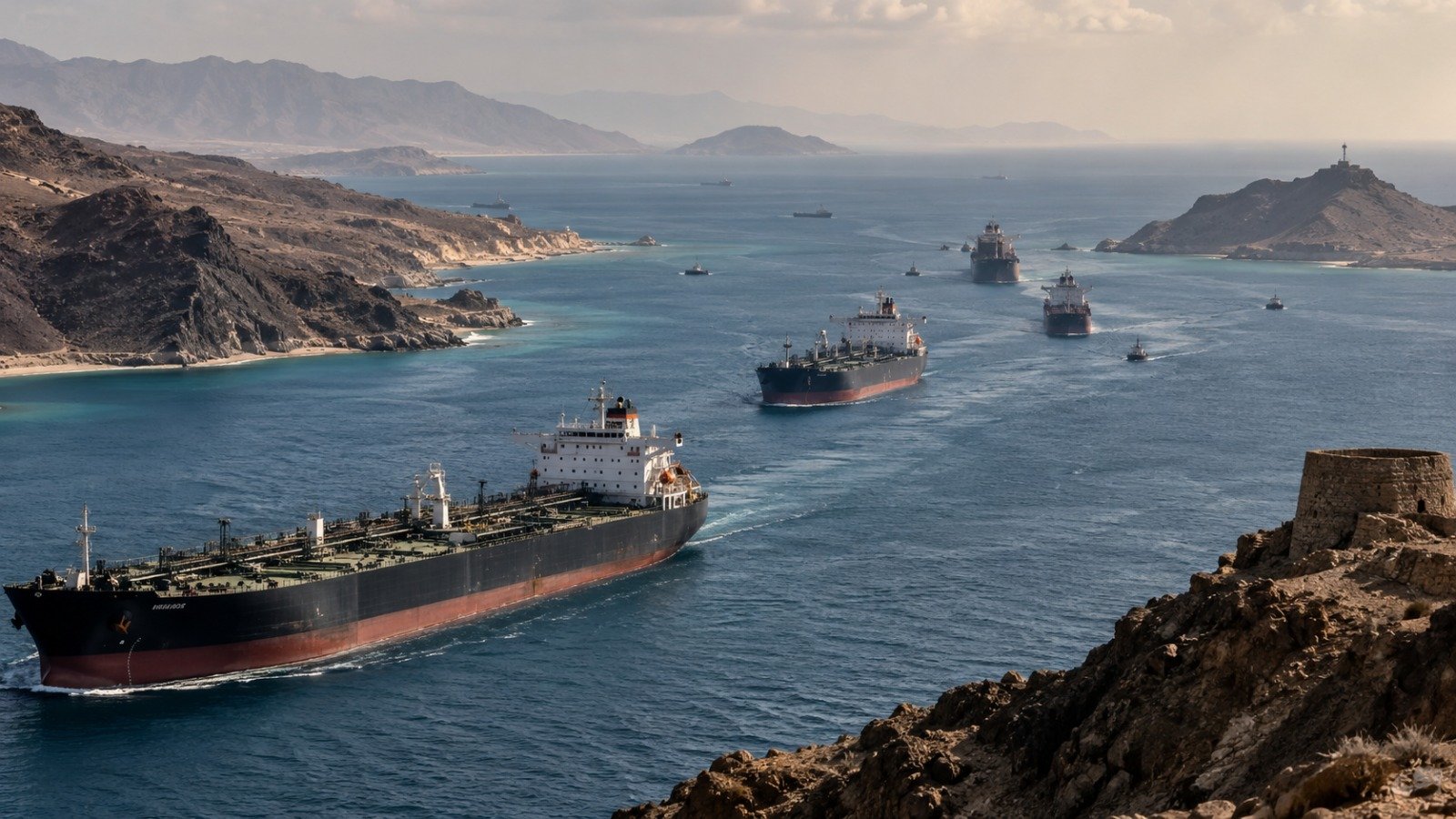
The proposed meeting carried considerable significance because of the strategic importance of the Strait of Hormuz.
The waterway links the Persian Gulf with the Gulf of Oman and the Arabian Sea and serves as a major transit route for global oil and gas supplies.
Any prolonged disruption to shipping through Hormuz could have consequences for international energy markets, affecting crude oil prices, tanker insurance, freight costs and supplies to major importing countries.
The waterway has come under heightened security concerns amid the wider confrontation involving Iran and the United States.
Repeated incidents involving commercial vessels have increased pressure on regional governments to establish mechanisms that could reduce the risk to maritime traffic.
Gulf states face a difficult calculation
For the Gulf countries, the proposed talks presented both an opportunity and a political challenge.
Saudi Arabia and other Gulf states have a direct interest in maintaining the security of maritime routes used to export their energy resources.
At the same time, agreeing to a regional framework involving Iran could raise questions about security guarantees, verification mechanisms and the role of external military powers.
Saudi Arabia's reported request to postpone the meeting, as described by Iran, therefore highlights the competing pressures facing Gulf governments.
The Gulf states must balance the need for dialogue with Iran against their security relationships with the United States and other international partners.
A setback for regional diplomacy
The postponement does not necessarily mean that regional dialogue has ended.
Iranian officials have previously indicated their willingness to coordinate with Oman on finding another date, while Muscat has continued to emphasise the importance of regional dialogue and stability.
However, the disagreement over participation and the reported differences surrounding the proposed discussions demonstrate how difficult it may be to establish a common regional framework for Hormuz.
For now, the meeting has been delayed without a new date, leaving the future of the proposed maritime arrangement uncertain.
The immediate question is whether Oman can bring the parties back to the negotiating table — and whether Iran and the Gulf states can overcome their differences sufficiently to establish rules capable of protecting commercial shipping through one of the world's most strategically important waterways.
For the region, the stakes are high: any diplomatic breakthrough could help reduce maritime risks, while continued disagreement could leave the Strait of Hormuz exposed to further instability at a time when global energy markets are already under pressure.