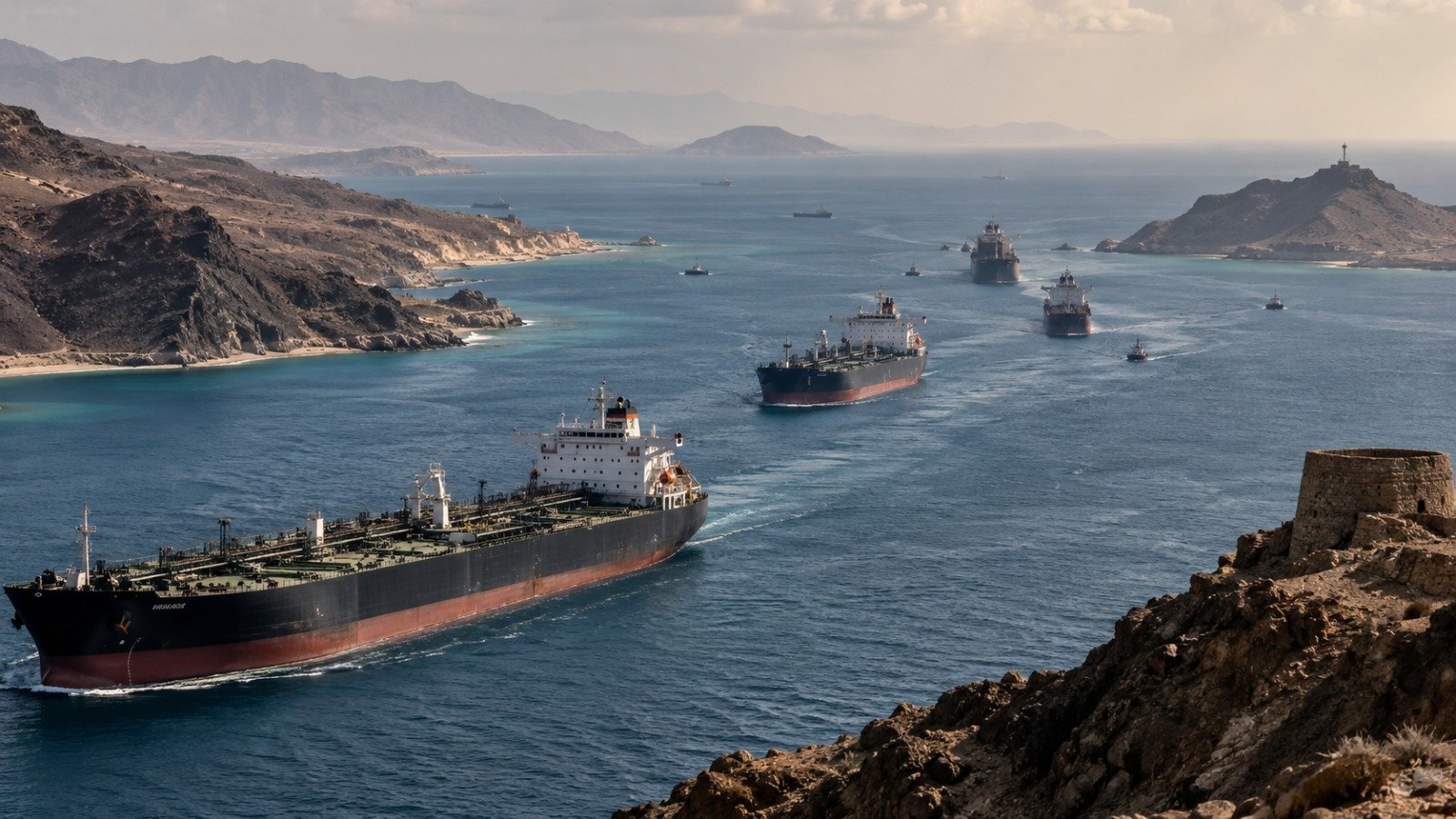
A tanker carrying liquefied natural gas (LNG) from Qatar has crossed the strategically important Strait of Hormuz and is now heading towards Karachi, according to shipping data and reports published on September 21, 2026.
The vessel, carrying a Qatari LNG cargo, is expected to arrive at Pakistan’s Port Qasim. The shipment marks Pakistan’s tenth LNG cargo since April, underscoring the importance of continued supplies as the country faces disruptions to energy shipments through the region.
Pakistan relies heavily on LNG for electricity generation, domestic gas requirements and industrial use, including fertiliser production. The country’s LNG-fired power plants have a combined generation capacity of around 5,000 megawatts, requiring regular cargoes to maintain operations.
Pakistan generally needs around four to five LNG cargoes each month during periods of high dependence on gas-fired power generation. Gas currently accounts for approximately 17 percent of Pakistan’s electricity generation, according to figures cited by Pakistani authorities and international news agencies.
The latest shipment comes amid continuing disruption to commercial shipping through the Strait of Hormuz, one of the world’s most important energy corridors. Vessel traffic through the waterway has fallen sharply compared with pre-conflict levels, although some energy shipments continue to pass through.
Pakistan has been negotiating arrangements to facilitate the safe passage of LNG shipments through the strait. Reports said the latest Qatari cargo’s passage was secured through discussions involving Pakistani and Iranian officials. Pakistan has also sought to maintain stable energy supplies amid elevated international LNG prices and uncertainty surrounding regional shipping routes.
The development provides some relief for Pakistan’s energy sector, which remains dependent on imported LNG and vulnerable to disruptions in Gulf shipping.
The tanker is expected to proceed towards Port Qasim in Karachi, where the cargo will be discharged for use in Pakistan’s domestic energy system.