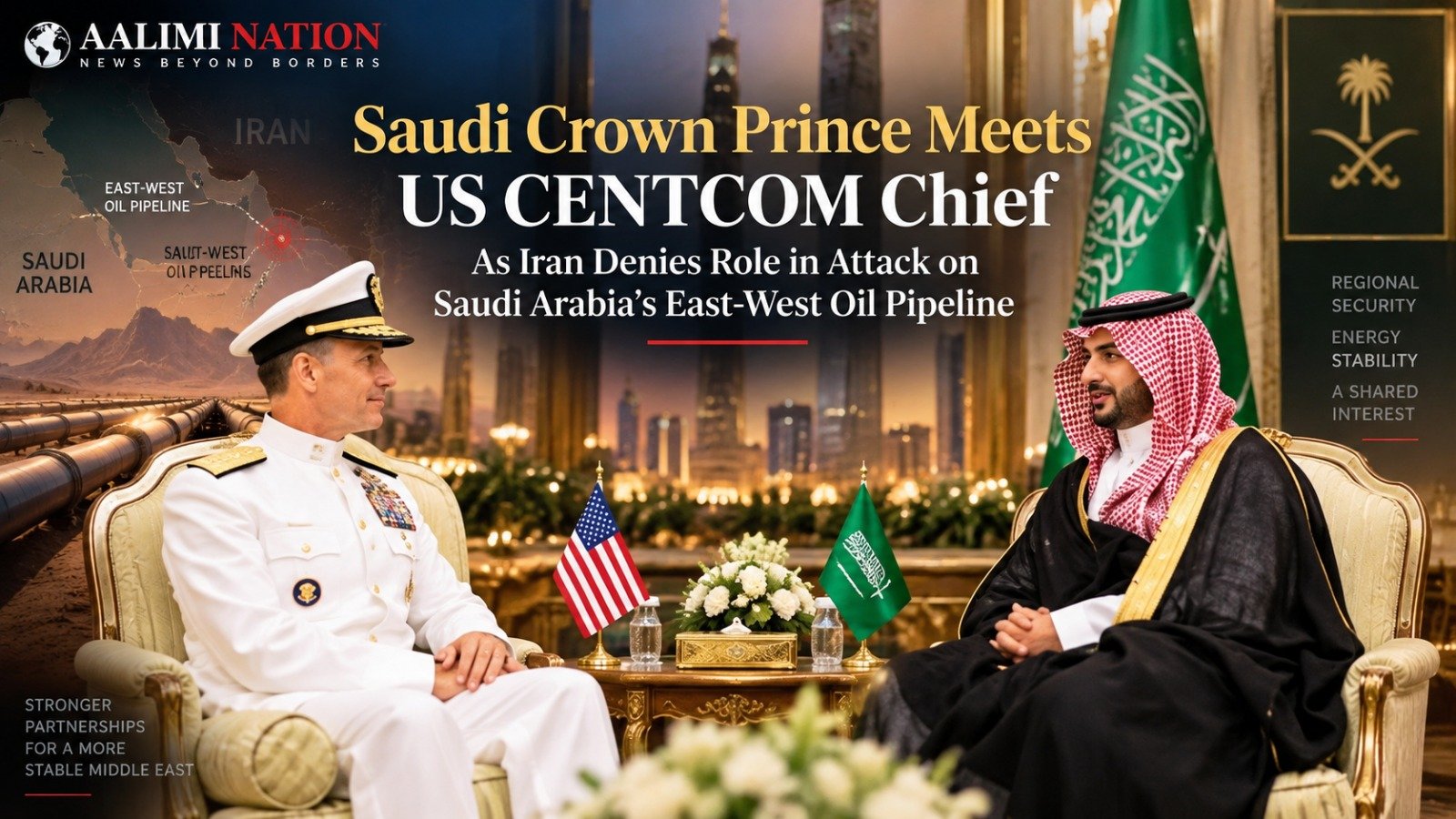
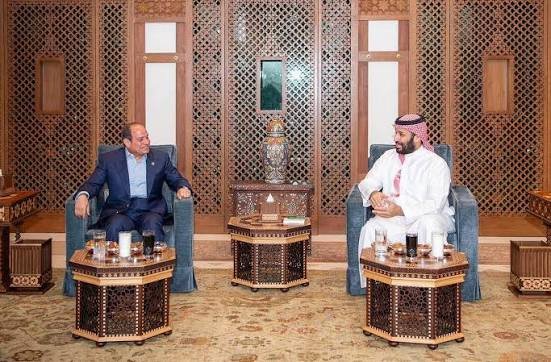
CAIRO — Saudi Crown Prince and Prime Minister Mohammed bin Salman is scheduled to meet Egyptian President Abdel Fattah el-Sisi on Tuesday, according to Egypt’s presidency, as the Middle East faces heightened security and geopolitical tensions.
The Egyptian presidency said el-Sisi would host the Saudi crown prince during his visit, with the two leaders expected to hold bilateral talks on regional developments and relations between the two countries.
The meeting comes against the backdrop of renewed fighting in Yemen, where Iran-aligned Houthi forces and the Saudi-backed Yemeni government remain locked in an escalating confrontation.
Yemen conflict adds urgency to talks
The Saudi crown prince’s visit comes after what has been described as a week of intensified Houthi military activity.
The developments have raised concerns in Riyadh and other regional capitals because of their potential impact on Saudi security and maritime trade.
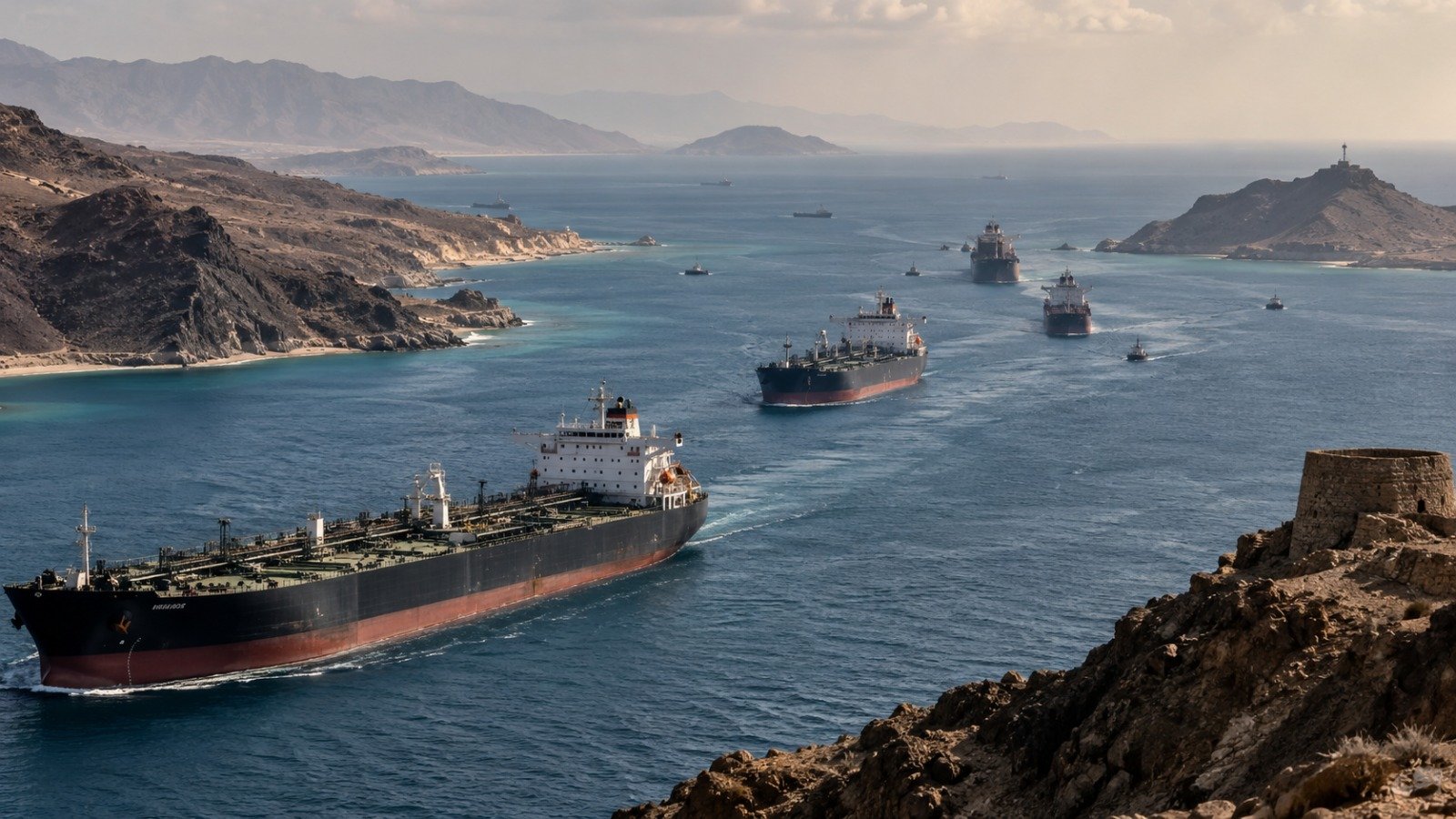
The Houthis have maintained control over parts of Yemen’s Red Sea coastline and have strengthened their position around the Bab el-Mandeb Strait, according to reports.
The strategic waterway connects the Red Sea with the Gulf of Aden and is a critical route for international shipping.
Bab el-Mandeb is strategically vital for Saudi Arabia
The security of Bab el-Mandeb is particularly important for Saudi Arabia because the kingdom relies on Red Sea routes for part of its oil export infrastructure and broader maritime trade.
Any sustained disruption around the strait could complicate the movement of energy supplies and increase shipping and insurance costs.
The waterway is also one of the world's most important maritime chokepoints, meaning instability there can have consequences well beyond Yemen.
For Egypt, the issue carries an additional significance because the Suez Canal is directly connected to Red Sea shipping.
A prolonged deterioration in security around Bab el-Mandeb could potentially affect shipping patterns approaching the Suez Canal, with consequences for Egypt’s maritime economy and canal revenues.
Saudi-Egyptian coordination
The meeting between Mohammed bin Salman and el-Sisi is therefore likely to attract considerable attention beyond the bilateral relationship.
Saudi Arabia and Egypt are two of the Arab world's most influential countries and have traditionally maintained close political and security ties.
Their coordination becomes particularly important during periods of regional instability, including conflicts involving Yemen, Iran, maritime security and energy supplies.
The two leaders are expected to discuss developments affecting regional security as well as bilateral relations.
Wider regional concerns
The Yemen escalation is unfolding alongside heightened tensions involving Iran, the United States and several regional powers.
The Houthis' growing influence along Yemen’s western coastline has increased concerns about the possibility of attacks affecting commercial shipping.
Any major disruption in the Red Sea or Bab el-Mandeb could force vessels to consider longer alternative routes, increasing travel times and operating costs.
The potential impact would extend to global supply chains because the Red Sea provides an important maritime connection between Europe and Asia.
Egypt has a direct stake in Red Sea stability
For Egypt, maintaining safe navigation through the Red Sea is particularly important.
The Suez Canal is one of the country's most important sources of foreign currency and a major artery connecting international shipping between the Mediterranean and Indian Ocean.
Security problems around Bab el-Mandeb can therefore have direct economic implications for Cairo.
A sustained reduction in shipping through the Red Sea could reduce canal traffic and place additional pressure on Egypt's economy.
This gives Cairo a strong interest in preventing the Yemen conflict from escalating into a wider maritime crisis.
A meeting at a sensitive moment
The Saudi crown prince's meeting with the Egyptian president comes at a time when regional governments are attempting to manage several interconnected crises simultaneously.
For Saudi Arabia, the immediate priorities include protecting its territory, energy infrastructure and maritime routes.
For Egypt, the security of the Red Sea and the uninterrupted operation of the Suez Canal remain critical national interests.
The discussions between Mohammed bin Salman and el-Sisi could therefore provide an important indication of how the two countries intend to respond to the changing security environment.
The bigger question
The central concern is whether the latest escalation in Yemen can be contained.
If fighting spreads toward critical maritime routes, the consequences could reach far beyond the battlefield.
Oil shipments, commercial shipping, insurance markets and global supply chains could all face additional pressure.
The meeting in Cairo therefore comes at a moment when Saudi Arabia and Egypt have strong reasons to coordinate closely.
For now, the focus will be on what the two leaders say about Yemen, maritime security, regional stability and the future of cooperation between Riyadh and Cairo.