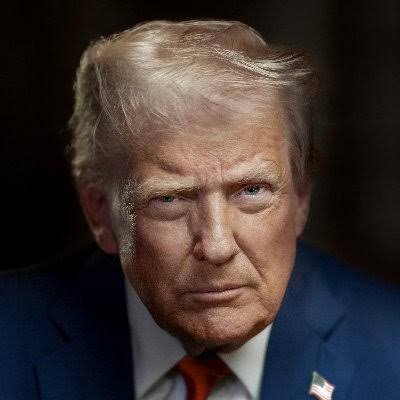
US President Donald Trump has reiterated that Washington is engaged in productive discussions with Iran, while maintaining that the United States retains the ability to exert significant pressure on Tehran.
Speaking to reporters before departing Washington for Florida, Trump said the United States had done a very good job in Iran and suggested that the confrontation could be brought to an end quickly.
He indicated that Washington faced a choice between resolving the matter immediately and allowing the situation to gradually run its course.
Trump also said the United States would maintain pressure on Iran and claimed Washington had the capability to control the country and seize its oil resources.
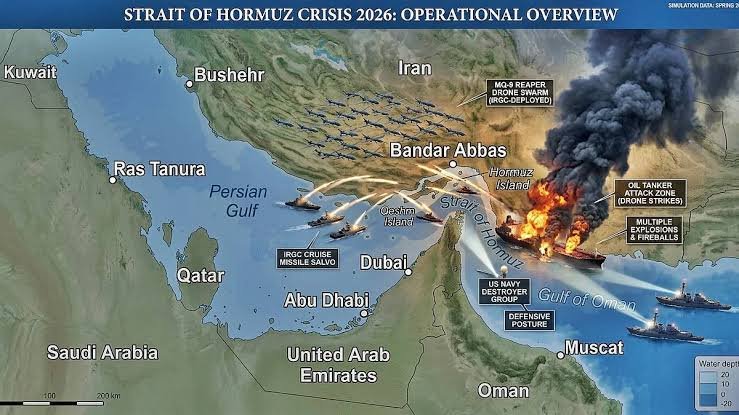
His remarks come amid continuing tensions over Iran’s nuclear programme, regional security and the strategic Strait of Hormuz, a vital route for global energy shipments.
The diplomatic situation became more uncertain after Tom Barrack, the US ambassador to Türkiye and special envoy for Syria and Iraq, suggested that American military action against Iran could take place as early as the weekend.
Speaking in an interview on Friday, Barrack responded affirmatively when asked whether a strike could happen within days. He said Trump remained open to reaching an agreement with Tehran but warned that failure to reach a deal could have consequences.
Barrack also said the administration was seeking an arrangement that would address security concerns without pursuing regime change in Iran.
However, his remarks appeared to conflict with Trump’s earlier public commitment not to attack Iran before the November 3 midterm elections.
Asked about Barrack’s comments, Trump appeared to distance himself from the suggestion that a weekend attack was being considered.
The president said he was unaware of any such plan, adding that Barrack was the US ambassador to Türkiye.
The exchange has raised questions about the timing of any possible military action and whether Washington’s immediate priority remains diplomacy or preparations for further strikes.
Trump’s October 8 announcement had explicitly ruled out an attack before the US midterm elections. His latest comments, together with the envoy’s warning, have left uncertainty over the administration’s next steps.
Iran has warned that any renewed attack could prompt a broader response against multiple targets. According to the report provided by Al Arabiya, Tehran has also raised the possibility of targeting undersea internet cables in the event of further military action.
Any such escalation could have consequences beyond the immediate conflict, potentially affecting regional security, maritime trade, energy supplies and international communications.
The Strait of Hormuz remains particularly important because disruption to shipping through the waterway could affect global oil markets and increase economic uncertainty.
The latest statements highlight the uncertainty surrounding the US–Iran confrontation. While Trump has publicly expressed support for productive discussions, the possibility of renewed military action remains a concern.
The coming days could prove crucial in determining whether the two sides move towards an agreement or face another round of military escalation.
For now, no confirmed announcement establishes that a new US strike on Iran has been authorised for the weekend. Barrack’s remarks indicate a possibility, while Trump’s response suggests he was not acknowledging any such plan.