BERLIN, October 23 (Aalimi Nation) – Europe is heading into winter with its gas storage well below the level normally reached by this time of year, and the head of the International Energy Agency has warned that the continent has little room left to absorb another supply shock.
Fatih Birol, the agency's executive director, made the remarks in an interview on the sidelines of an international conference in Berlin. He linked the squeeze to the war involving Iran, which has disrupted shipping through the Strait of Hormuz and pushed up energy prices worldwide.
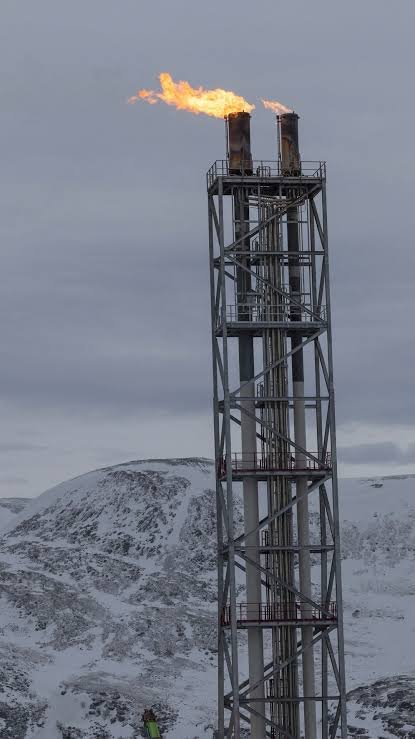
European Union gas storage is about 72 per cent full, against a usual level of around 90 per cent at this point in the year, according to figures cited in the interview.
"Normally before the winter, European countries have a lot of gas stocks," Birol said, noting that this year's reserves are below historical averages. He added that a cold season could push prices higher. "I think if we have a harsh winter, we may see higher prices of natural gas in Europe," he said.
Gas prices have risen by about 140 per cent since February, while Brent crude is trading above $100 a barrel. Before the conflict began, nearly a tenth of Europe's liquefied natural gas passed through Hormuz, and attacks on vessels in the area have sharply reduced those deliveries.
Warning for this year and next
Birol said the pressure would not ease quickly. "Life will not be easy for Europe this year and also next year," he said. Even if peace returned to the Gulf, he added, the cost of liquefied natural gas was likely to keep rising in the coming months because Europe competes for cargoes with Asian buyers, which depend even more heavily on Middle Eastern supply.
He called for the Strait of Hormuz and the Bab al-Mandeb strait to be reopened. "I really hope that both of the straits will be unconditionally opened sometime soon," he said. On the conflict itself, he said the best day for a ceasefire "would have been yesterday".
Diesel and emergency stocks
Birol also pointed to diesel as a growing worry. About a third of Russian diesel deliveries have stopped because of Ukrainian strikes on Russian refineries, adding to shortages in the European Union, where ageing refineries have processed less crude in recent years.
Emergency oil stocks offer some cushion. The Group of Seven agreed in March to release 400 million barrels of crude and diesel from strategic reserves, an effort Birol coordinated. It was his third emergency release since Russia's invasion of Ukraine in 2022. He credited the move with a $20 fall in oil prices, and said the European Union still holds about 80 per cent of its emergency stocks.
The IEA chief said the crisis shows how closely energy and geopolitics are now tied. "Energy is not currently considered a business but a political leverage," he said.
The European Union plans to phase out Russian gas permanently. How cold the winter turns out, and whether shipping through the Gulf recovers, will decide how much pressure European consumers and governments face in the months ahead.