U.S. President Donald Trump said Saturday that developments involving Iran were moving in the right direction and predicted that the war could end “very soon.”
Speaking to reporters after meeting Irish President Catherine Connolly in Dublin, Trump was asked whether he could help ensure the continued flow of shipping through the Strait of Hormuz, a crucial global energy route.
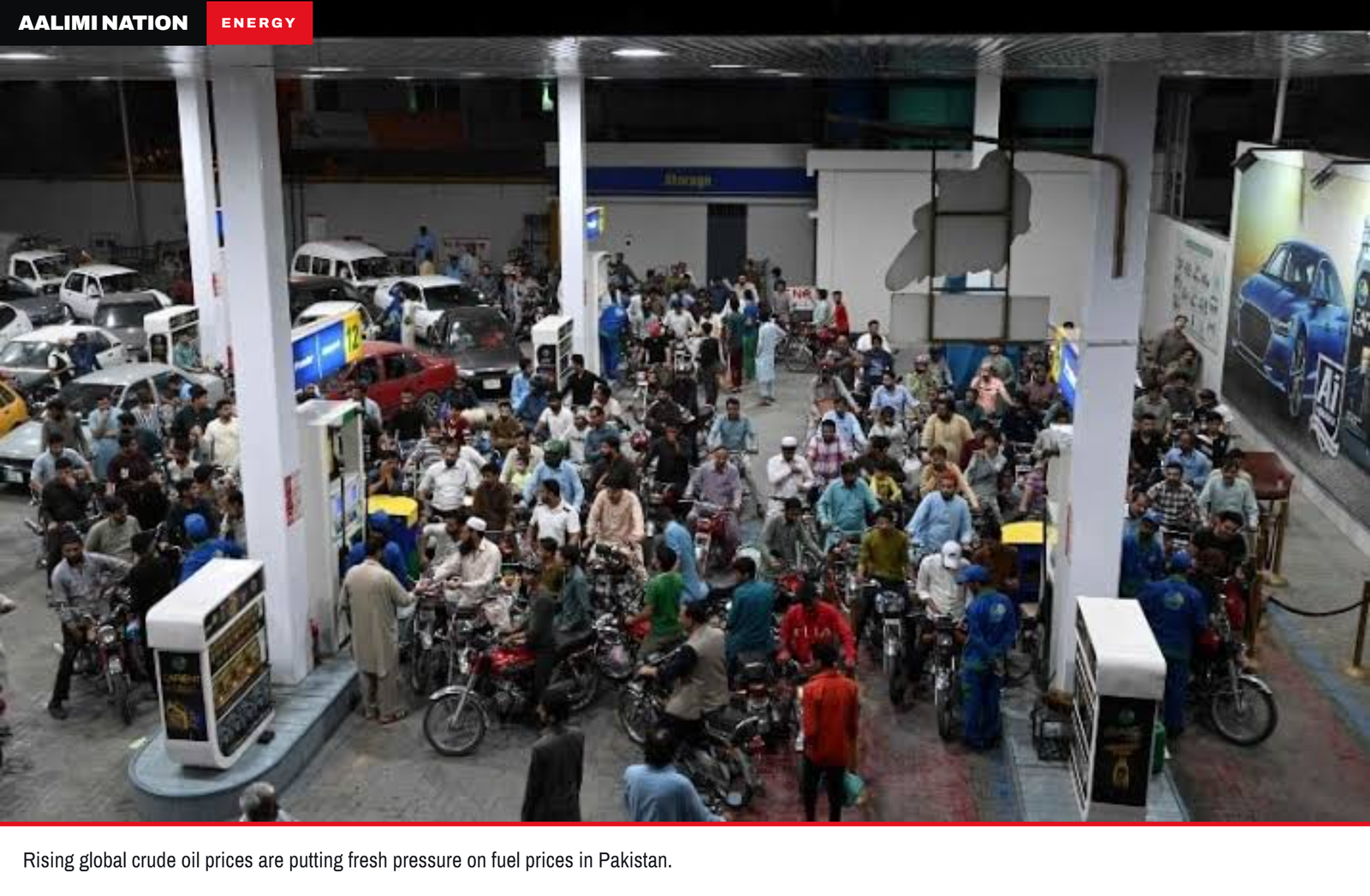
“Everything will work out,” Trump said, adding that he expected the war to end soon and that oil prices would fall rapidly afterward.
Trump also reiterated his position that Iran would not be allowed to acquire nuclear weapons.
The U.S. president has repeatedly issued warnings to Tehran through his Truth Social account in recent days as tensions between the two countries have intensified.
Trump suggested that Iran could be attempting to prolong the confrontation, saying he believed the conflict could end around the time of the U.S. midterm elections. He also claimed that Tehran possesses missiles capable of reaching European cities.
Trump Calls Saudi Crown Prince a Close Friend
Commenting on the attack targeting a Saudi oil pipeline, Trump described Saudi Crown Prince Mohammed bin Salman as a “very close friend.”
He said Iran was likely responsible for the attack, although the attribution remains a key part of the wider regional dispute.
Trump had also reiterated on Friday that the United States would not allow Iran to obtain nuclear weapons.
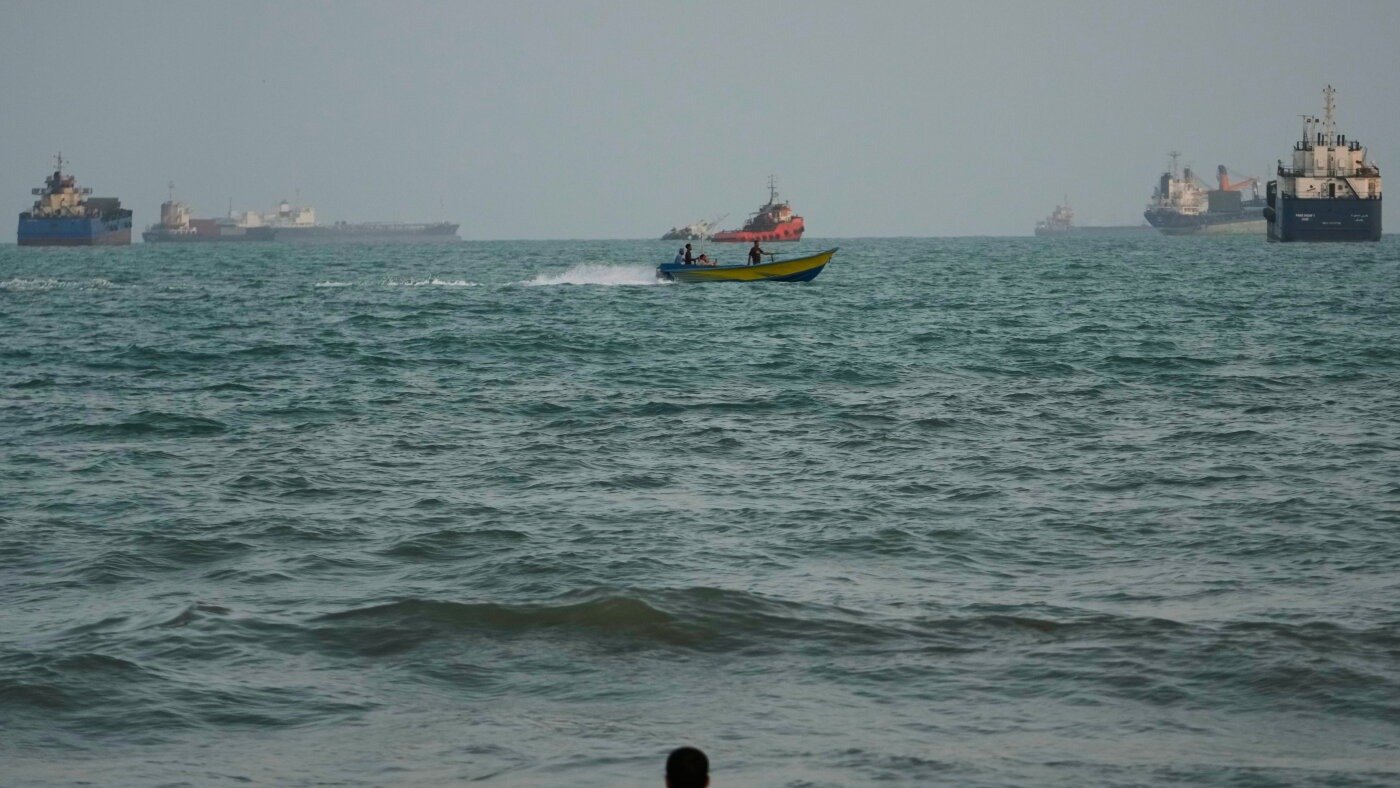
The remarks came as new communications received by commercial vessels reportedly indicated that the United States had established specific transit windows for oil tankers crossing the Strait of Hormuz, during which vessels would receive U.S. air protection.
The reported measure follows an increase in attacks and threats against commercial shipping in the area, particularly during nighttime hours. Ships have reportedly been instructed to begin their journeys at designated times, including around 9 a.m.
Rising Tensions Around Hormuz
Tensions between the United States and Iran have increased sharply in recent weeks, with the Strait of Hormuz emerging as a major flashpoint.
The strategically important waterway connects the Persian Gulf with the Gulf of Oman and the Arabian Sea and is vital to global oil and gas shipments.
The conflict that began on February 28 has significantly disrupted maritime traffic through the strait amid Iranian threats and heightened military tensions.
Before the escalation, roughly 125 large commercial vessels typically passed through the waterway each day, including oil and gas tankers, bulk carriers and container ships. That number has reportedly fallen to only a few dozen.
The Strait of Hormuz normally carries around 20 percent of the world's daily oil and liquefied natural gas consumption, making any prolonged disruption a potential threat to global energy markets.
Meanwhile, U.S. restrictions on Iran-linked maritime trade have also affected the country's crude oil exports, which reportedly stalled after sanctions were reimposed in mid-July.
Trump's latest comments therefore come at a critical moment for both the conflict and global energy markets, with the future of shipping through Hormuz remaining closely tied to the wider confrontation between Washington and Tehran.