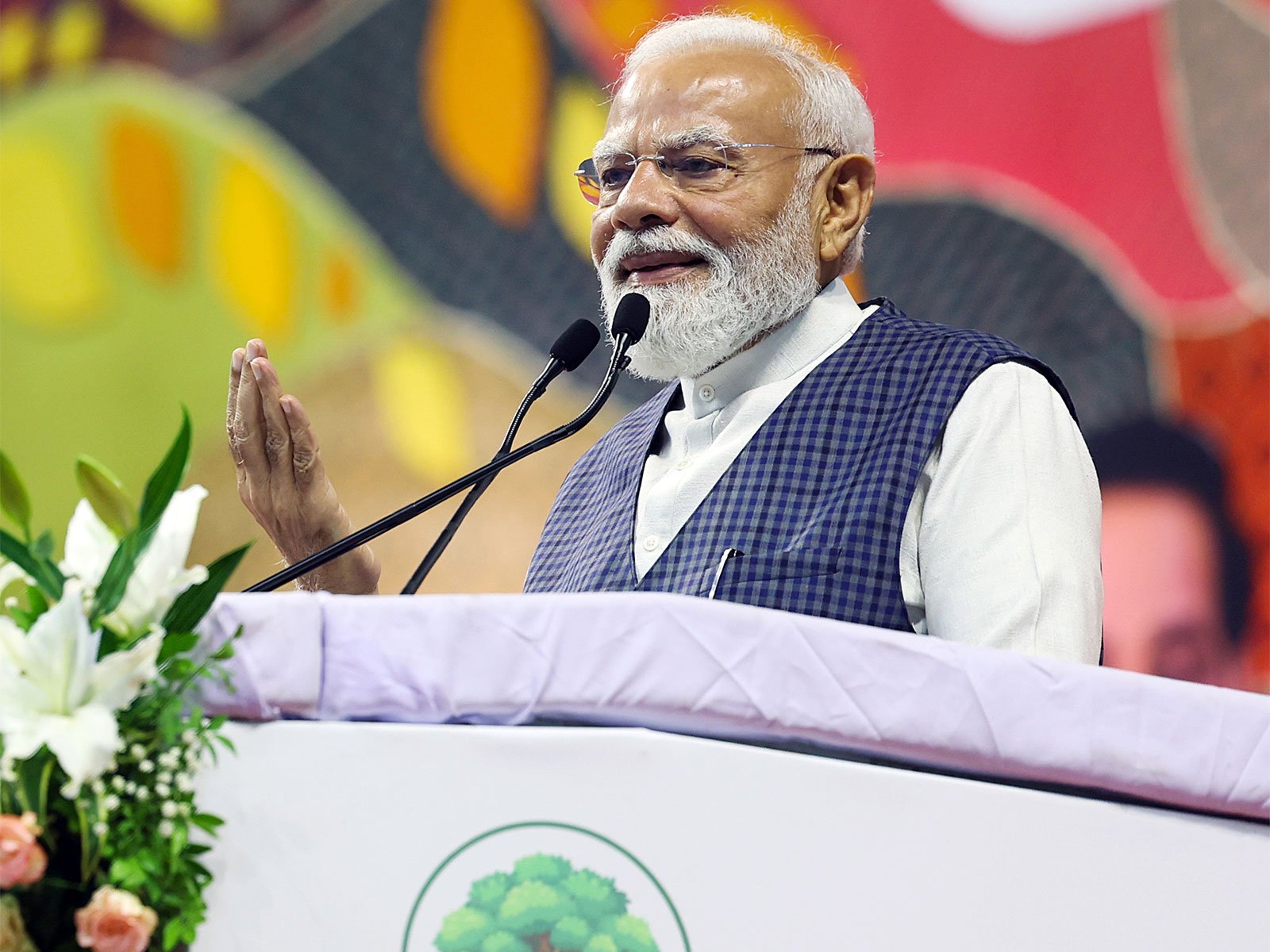
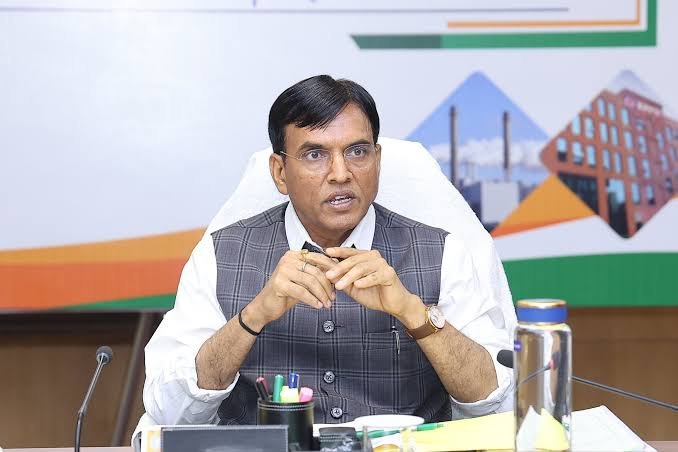
NEW DELHI, October 28 (Aalimi Nation) – India will bring a further amendment to its anti-doping law to introduce criminal provisions for violations involving coaches and others in the supply chain of banned substances, Union Sports Minister Mansukh Mandaviya said on Tuesday. The proposed anti-doping law amendment is to be taken up in the next session of Parliament.
Mr. Mandaviya was speaking in New Delhi while chairing the third formal meeting of the COP10 Bureau and the fourth formal meeting of the Fund's Approval Committee for 2026-27 under the UNESCO International Convention against Doping in Sport.
"We will also bring another amendment in the next session of our parliament, which aims to introduce criminal provisions," he said. He added that "sporting excellence must be accompanied by integrity".
The minister said the National Anti-Doping Act, 2022, and its 2025 amendment both came into force in July 2026.
What has been proposed so far
The ministry set out the outlines of the criminal provisions in May, when it posted draft amendments on its website for public feedback until June 18. The draft would criminalise trafficking and distribution of prohibited substances to athletes. Suppliers could face up to five years in prison, a fine of up to two lakh rupees, or both. Medical practitioners could be held liable if they knowingly prescribe banned drugs.
The draft exempts drugs prescribed to an athlete under a Therapeutic Use Exemption, as well as doctors handling emergencies. In emergency cases, the athlete must apply for a retroactive exemption, and the draft says there will be no liability for the doctor involved. Athletes themselves are not meant to face criminal prosecution for testing positive or breaching anti-doping rules.
At that time, Mr. Mandaviya said: "Doping is no longer just a sporting violation; it has evolved into an organised ecosystem exploiting athletes." He also said: "We only punish those who are consuming but suppliers need to be targeted as well."
Background
An earlier proposal in 2018 sought four years in jail and a fine of two lakh rupees for organised syndicates and anyone supplying banned substances to athletes. Those provisions were dropped from the Bill passed in 2022, and the government instead favoured what it called preventive legislation rather than a criminal law.
India has appeared at the top of the World Anti-Doping Agency's global list of violators for the past three years. The country hopes to host the Olympic Games in 2036 and has already secured the 2030 Commonwealth Games, which gives the issue added weight.
Testing and awareness figures
At the meeting, officials presented the activity of the National Anti-Doping Agency in 2025-26. It carried out more than 7,000 tests and held over 350 education and awareness sessions that reached about 27,000 participants, with a focus on risk-based testing and intelligence-led investigations. The ministry's Know Your Medicine app has recorded more than half a million searches.
The amendment's final text has not yet been published. It is expected to reflect the feedback received on the May draft before being introduced in Parliament, where it will need approval from both Houses.