CANBERRA, November 27 (Aalimi Nation) – Australia's Parliament on Wednesday passed a digital duty of care law that makes technology platforms responsible for preventing foreseeable online harm, with penalties of up to 5 per cent of global turnover and a right for users to sue.
The legislation followed a deal between Prime Minister Anthony Albanese's Labor government and the Greens. Communications Minister Anika Wells announced its passage. The law still needs royal assent from the Governor-General, and most of its main duties will start 12 months after that.
Digital duty of care: who is covered
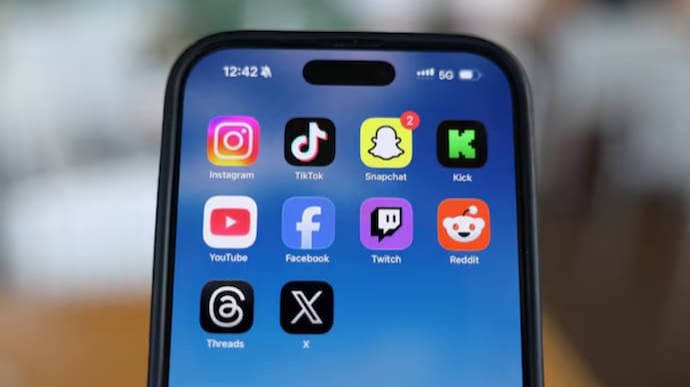
The law applies to social media, messaging apps, games, websites, search engines, app stores, hosting and internet providers, and AI services including chatbots. The minister can exempt low-risk services after taking advice from the eSafety Commissioner.
Platforms must take appropriate action to keep the online environment safe for people in Australia, and the duty extends to people who never use the service, such as someone whose fake nude image is shared on it. Under the law, the cost of a safety measure cannot be taken into account. "The cost of the action or measures must not be taken into account," Wells said.
Platforms must carry out risk assessments at least once a year and before major changes, give them to the regulator on request, and handle complaints. Users must be able to opt out of algorithmic feeds and see only content from accounts they follow.
Fines and the right to sue
Companies can be fined up to 5 per cent of global turnover or A$109.2 million, whichever is higher. The initial proposal had capped fines at about A$109 million before the 5 per cent figure was added. Individuals face penalties of up to about A$21.8 million.
Australians can also sue platforms directly if a breach "substantially contributes" to their harm. Courts can award damages, including for emotional distress, or order an apology. Wells said she expected the private right of action to be used rarely: "We imagine that usage of the private right of action will remain fairly rare."
Reaction
Wells defended the law against claims of censorship. "These are not monsters under the bed. We are worried about the phone under the pillow," she said. Albanese told Parliament on Tuesday the law acts for parents and children, not "foreign-owned tech companies".
The conservative opposition called it a "blank cheque for political censorship", and opposition leader Angus Taylor argued the framework could amount to government censorship. The US ambassador to Australia, David Brat, said "vaguely defined 'harms,' backed by penalties of up to 5% of global revenue, will push platforms to censor lawful speech". The Australian Human Rights Commission had asked Parliament to narrow a catch-all category of harm, but it was not changed.
The Tech Council of Australia, whose members include Google, Microsoft and LinkedIn, said it supports the law but is concerned about the private right of action, calling it "a complex undertaking with significant consequences".
What happens next
Some provisions, including takedown powers and blocking of apps that create fake nude images, begin the day after royal assent. The wider duty and the new restrictions for under-16s start a year later, replacing the existing industry codes. Rules on exemptions, user control tools and the regulator's guidance on risk assessments are still to be settled during that period.