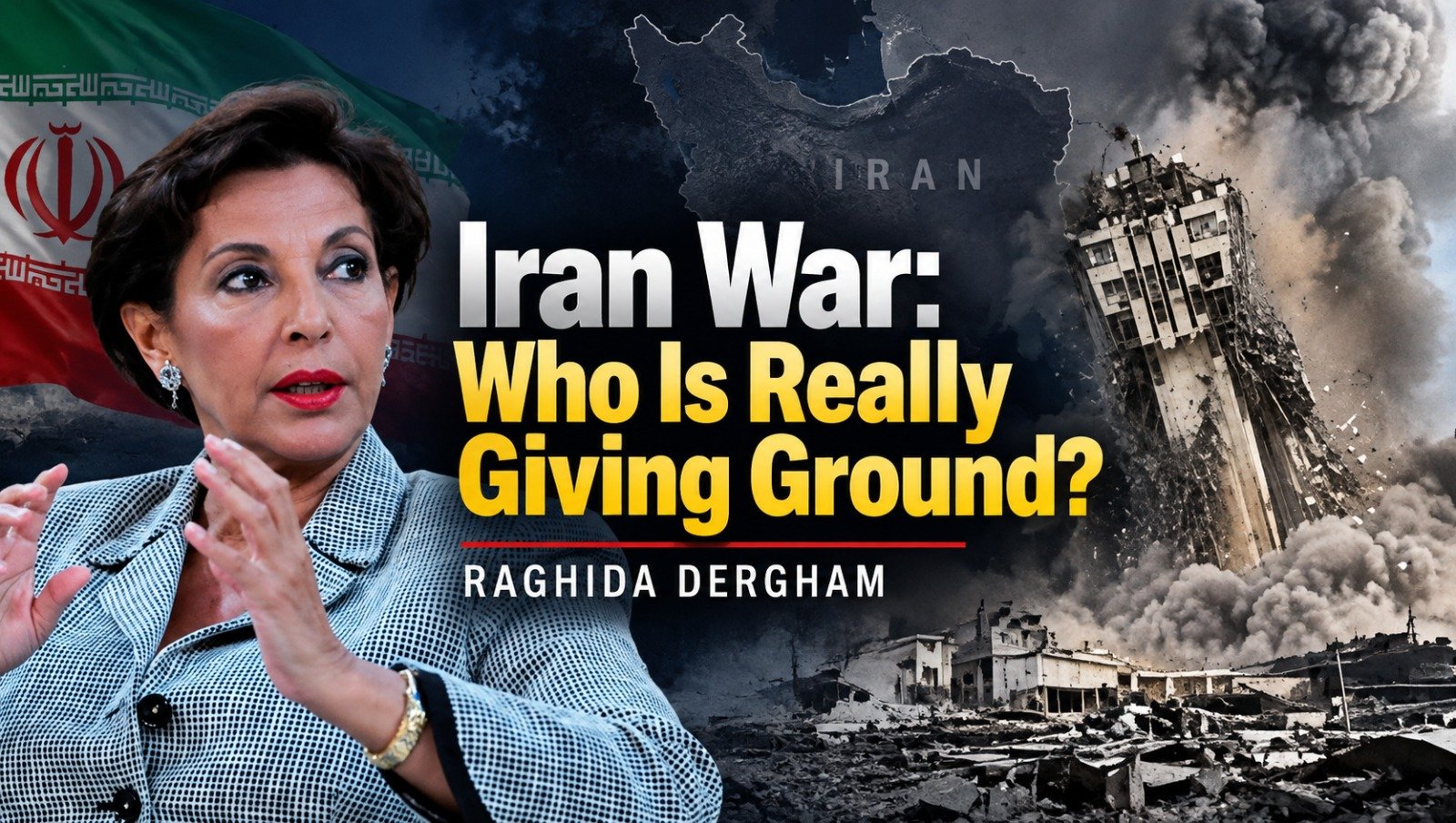


Jerusalem: U.S. Ambassador to Israel Mike Huckabee has accused Iran of targeting civilians in Saudi Arabia and Kuwait, saying the attacks have revealed what he described as the “true face” of Tehran.
In an exclusive interview with Al Arabiya, Huckabee said Iranian attacks were affecting several neighbouring countries as tensions continued to rise across the region.
His remarks came amid continued confrontation between Washington and Tehran and growing concerns over Iranian missile attacks against countries in the region.
Warning of Further U.S. Action
Huckabee said he trusted President Donald Trump's judgement in ordering major military operations against Iran, describing the decision as necessary.
He warned that Washington could again consider military action if Tehran continued to pursue uranium enrichment or refused to reopen the Strait of Hormuz, one of the world's most strategically important energy routes.
The ambassador argued that Iran should avoid opening another front in the region and learn from its previous experiences with conflict.
“War Would Hurt Iran”
Huckabee said Iran would ultimately harm itself if it chose to start another war.
“By starting a war, Iran would only hurt itself,” he said, according to the interview.
His comments underline the continued pressure from Washington on Tehran over its nuclear programme and the status of the Strait of Hormuz.
Hormuz Remains a Major Flashpoint
The Strait of Hormuz remains central to the confrontation because of its importance to global energy supplies and international shipping.
Washington has demanded that Iran allow the waterway to operate normally, while Tehran has linked the reopening of the strait to broader conditions surrounding the conflict and negotiations with the United States.
The continuing dispute has heightened concerns over energy supplies, shipping costs and the possibility of a wider regional confrontation.
A Broader Regional Confrontation
Huckabee's remarks come as several Gulf states remain increasingly concerned about the consequences of the Iran-U.S. confrontation.
Saudi Arabia and Kuwait are among the countries that have faced security concerns as tensions have spread beyond Iran's immediate borders.
For Washington, the immediate objective remains preventing Iran from advancing its nuclear capabilities and restoring freedom of navigation through the Strait of Hormuz.
For Tehran, however, the dispute involves broader questions of sovereignty, security and its relationship with the United States.
The coming days could determine whether diplomatic channels reopen or whether the confrontation moves into another phase of military escalation.
— AALIMI NATION | International Desk