
Why Sexual Health Matters for Men and Women
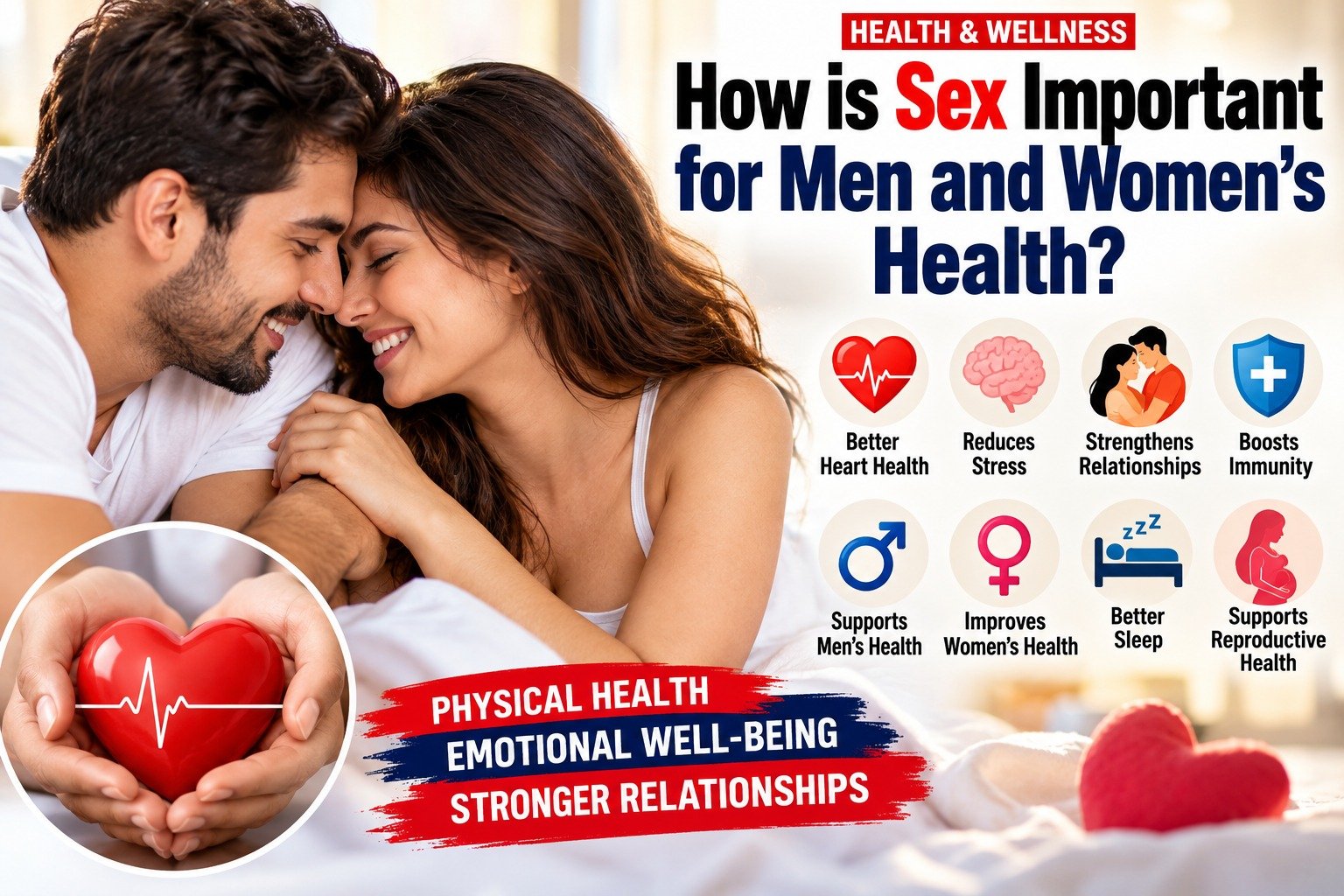
Sexual health is an important part of overall well-being. It involves physical health, emotional comfort, personal safety, consent and the ability to make informed decisions about sexual relationships.
For many adults, consensual sexual activity can be a positive part of a relationship. However, its benefits vary from person to person, and sexual activity is not essential for everyone to remain physically or mentally healthy.
1. May Help Reduce Stress
Sexual activity and physical intimacy can promote relaxation and feelings of closeness. The body releases chemicals, including oxytocin and endorphins, that are associated with pleasure, bonding and aspects of mood regulation.
Some people report feeling more relaxed after sexual activity, although the effect varies. Sex should not be considered a substitute for professional treatment for anxiety, depression or other mental health conditions.
2. Can Strengthen Emotional Intimacy
For couples who want sexual intimacy, a mutually satisfying sex life can support trust, affection and communication.
Open conversations about preferences, boundaries and concerns can help partners feel understood. A healthy relationship, however, also depends on respect, friendship, emotional security and shared responsibilities.
3. Possible Benefits for Men’s Health
For men, sexual health includes erectile function, libido, fertility and the health of the reproductive system.
Sexual function: Changes in erections or sexual desire can sometimes reflect stress, medication effects, hormonal changes or underlying health conditions.
Physical activity: Sexual activity involves some physical exertion, although it should not replace regular exercise.
Prostate health: Research has examined associations between ejaculation frequency and prostate cancer risk, but an association does not establish that ejaculation prevents cancer.
Emotional well-being: A satisfying and consensual sexual relationship may support confidence and emotional connection.
Persistent erectile difficulties should not be dismissed as a normal consequence of ageing. They can sometimes be an early sign of cardiovascular disease, diabetes or other medical problems.
4. Possible Benefits for Women’s Health
Women’s sexual health is influenced by hormones, reproductive health, emotional well-being, medication, age and relationship circumstances.
Relaxation and well-being: Comfortable, consensual intimacy may promote relaxation and emotional closeness.
Pelvic floor awareness: Sexual activity involves pelvic muscles, but it does not automatically strengthen the pelvic floor. Specific exercises may be recommended when appropriate.
Sexual comfort: Adequate arousal and lubrication can make sexual activity more comfortable. Persistent dryness or pain deserves medical attention.
Reproductive awareness: Understanding menstrual cycles, contraception and fertility helps women make informed reproductive choices.
Sexual activity does not guarantee hormonal balance, prevent gynaecological diseases or improve every aspect of a woman's health.
5. Does Sex Improve Sleep?
Some people feel relaxed or sleepy after sexual activity, particularly following orgasm. This may be associated with physiological changes and relaxation.
However, research does not establish that sex consistently improves sleep for everyone. Persistent insomnia should be assessed independently.
6. How Often Should Couples Have Sex?
There is no medically required number of times a person or couple should have sex each week or month.
Some couples prefer frequent sexual activity, while others are satisfied with less frequent intimacy or none at all. Sexual desire can change with age, stress, pregnancy, childbirth, menopause, illness and medication.
The more meaningful measures are mutual satisfaction, comfort, consent and the absence of pressure. Neither men nor women should feel obliged to have sex to maintain their health or prove their love.
7. Safe Sex Is Essential
Sexual activity can carry risks, including sexually transmitted infections (STIs) and unintended pregnancy.
Health professionals recommend practical precautions:
Use condoms correctly and consistently to reduce the risk of many STIs and unintended pregnancy.
Discuss STI testing with partners when appropriate.
Consider effective contraception if pregnancy is not desired.
Seek medical advice about HPV and hepatitis B vaccination when eligible.
Never engage in sexual activity without freely given consent.
Condoms reduce risk but do not eliminate all STI transmission, particularly infections spread through skin-to-skin contact.
8. When Should Men and Women Seek Medical Advice?
Consult a qualified healthcare professional if you experience persistent pain during sex, unusual genital discharge, sores, bleeding after sex, significant changes in sexual desire or erectile difficulties.
Women experiencing vaginal dryness, painful intercourse or menopausal symptoms may benefit from medical assessment. Men with persistent erection problems should also be evaluated for possible underlying conditions.
Urgent medical attention is appropriate for severe genital or pelvic pain, heavy bleeding or a suspected serious injury.
The Bottom Line
A healthy sex life can contribute to intimacy, relaxation and emotional well-being for some adults. Its benefits depend on individual circumstances, and sex is neither a medical necessity nor a measure of personal worth.
The foundation of sexual health is informed choice, mutual consent, protection against infection and unintended pregnancy, and access to reliable medical advice. A healthy relationship should always respect both partners’ physical and emotional boundaries.