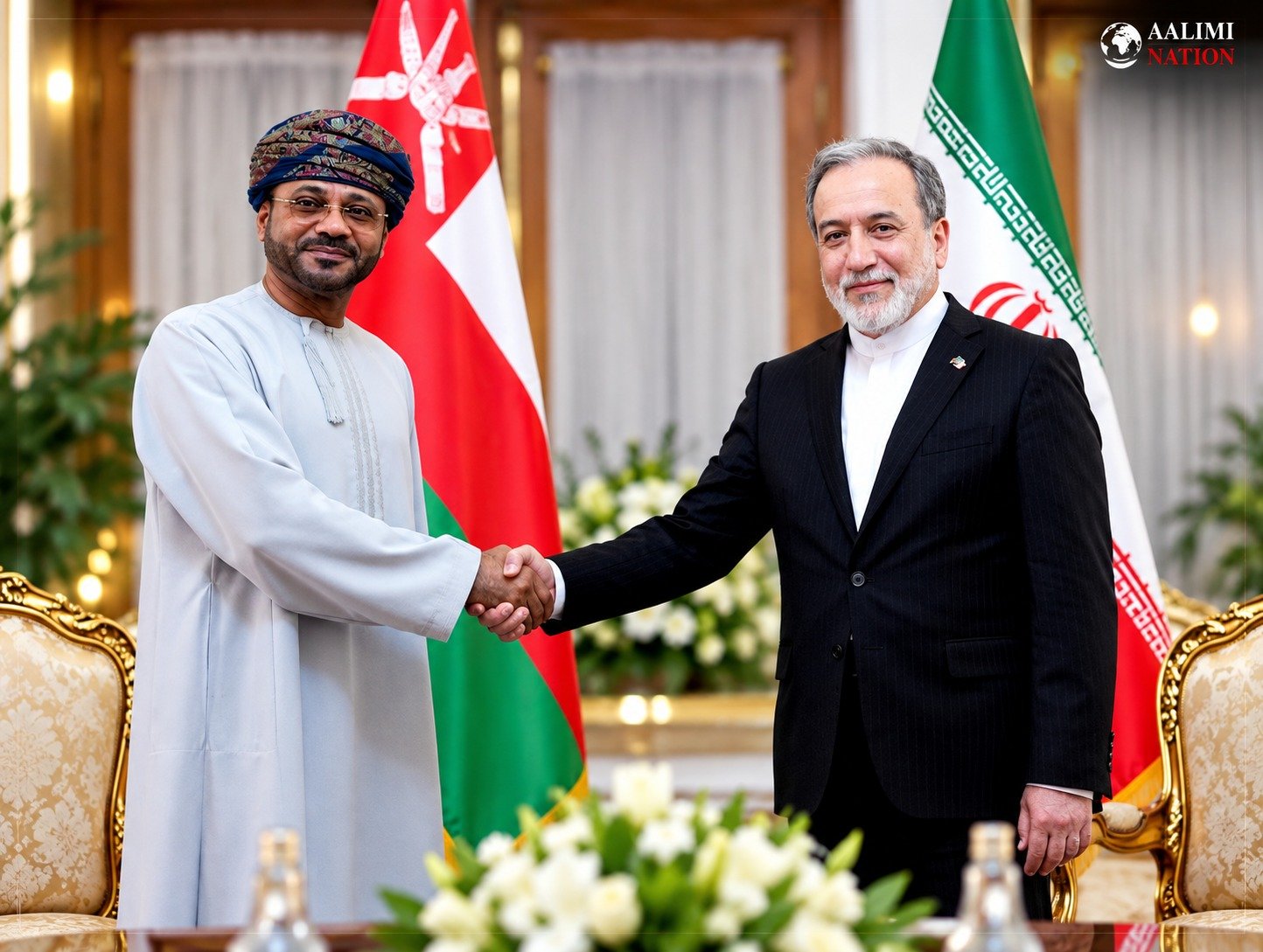
MUSCAT/TEHRAN — A planned meeting between Iran and the Gulf Arab states in Oman to discuss possible arrangements for shipping through the strategically vital Strait of Hormuz has been postponed, adding another layer of uncertainty to efforts to reduce risks to maritime traffic and global energy supplies.
The meeting had been scheduled for Monday in Salalah, with the foreign ministers of Gulf Arab states expected to meet their Iranian counterpart, Abbas Araghchi, for discussions aimed at establishing a temporary framework for the management of shipping through the waterway.
Omani Foreign Minister Badr Albusaidi confirmed the postponement in a post on X, saying the regional meeting had been delayed “in the common interest.”
Albusaidi said Oman remained committed to promoting dialogue that could support stability and long-term cooperation in the region. He did not provide further details about why the meeting had been postponed.
Iran says some regional countries requested delay
Iranian officials offered a slightly clearer explanation.
According to Iran's Fars news agency, citing an Iranian Foreign Ministry official, the meeting was postponed following a request from some regional countries.
The decision was reportedly taken jointly by Tehran and Muscat. The Iranian official said Iran would coordinate with Oman to determine a suitable date for the meeting to be reconvened.
The postponement means that an effort to establish an interim understanding over maritime traffic through Hormuz will not proceed as originally planned.
A Gulf source cited by Reuters said the meeting was postponed because of disagreements over the terms and conditions of the proposed negotiations.
That account suggests that the delay may not simply be a scheduling issue but could reflect differences among the participating states over the scope and conditions of any potential agreement.
Who was expected to attend?
The proposed meeting was part of an Omani diplomatic initiative involving Iran and the Gulf Cooperation Council states.
The countries represented in the regional discussions were expected to include:
Bahrain
Iran
Iraq
Kuwait
Oman
Qatar
Saudi Arabia
United Arab Emirates
The presence of both Iran and the Gulf Arab states was significant because the Strait of Hormuz is directly connected to the security and economic interests of virtually every country involved.
Oman has traditionally maintained diplomatic channels with Iran while also maintaining close relations with the Gulf Arab states, giving Muscat an important role as an intermediary in regional crises.
Why the Strait of Hormuz matters
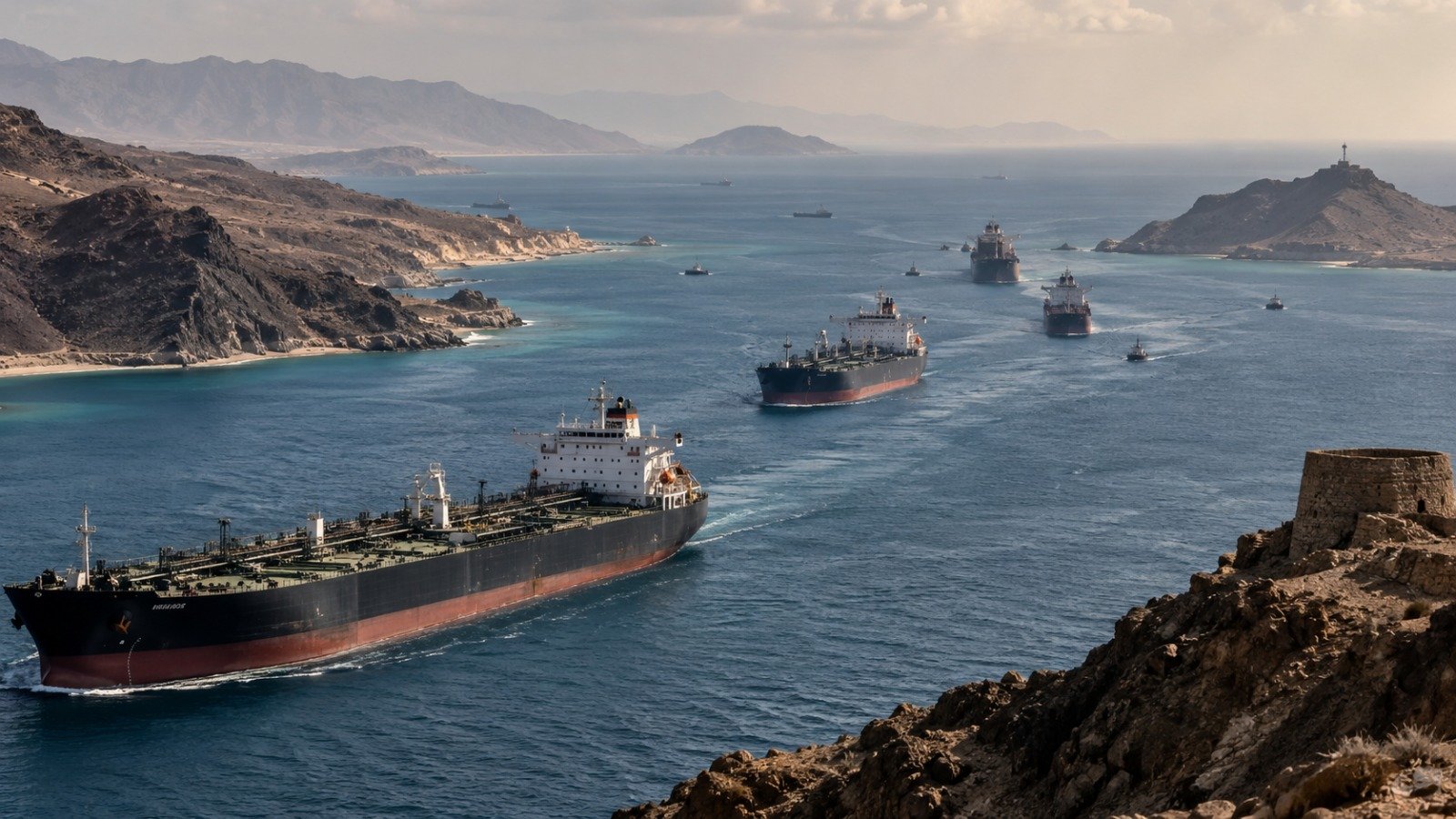
The Strait of Hormuz is one of the world's most important energy chokepoints.
The narrow waterway connects the Persian Gulf with the Gulf of Oman and the wider Arabian Sea. Large volumes of crude oil, petroleum products and liquefied natural gas pass through it every day.
Any prolonged disruption could therefore have consequences extending far beyond the Middle East.
For Gulf producers, the issue is particularly sensitive because several major oil-exporting economies depend heavily on maritime routes through or around the Persian Gulf.
For international markets, the stakes are even broader. Any restriction on tanker traffic can increase freight and insurance costs, reduce available supplies and put upward pressure on crude oil and fuel prices.
Saudi pipeline decision adds to pressure
The postponement comes shortly after Saudi Arabia decided, at least temporarily, to shut down its major oil pipeline route that bypasses the Strait of Hormuz.
The East-West Petroline provides Saudi Arabia with an alternative route for transporting crude toward the Red Sea, allowing some exports to avoid Hormuz.
The decision to halt the route increases the importance of maritime traffic through the strait at precisely the moment when security concerns surrounding the waterway remain elevated.
It also reduces one of the available alternatives for moving Saudi crude to international markets without passing through the strategic chokepoint.
Another vessel hit in Hormuz
The diplomatic effort is taking place against a backdrop of continuing maritime incidents.
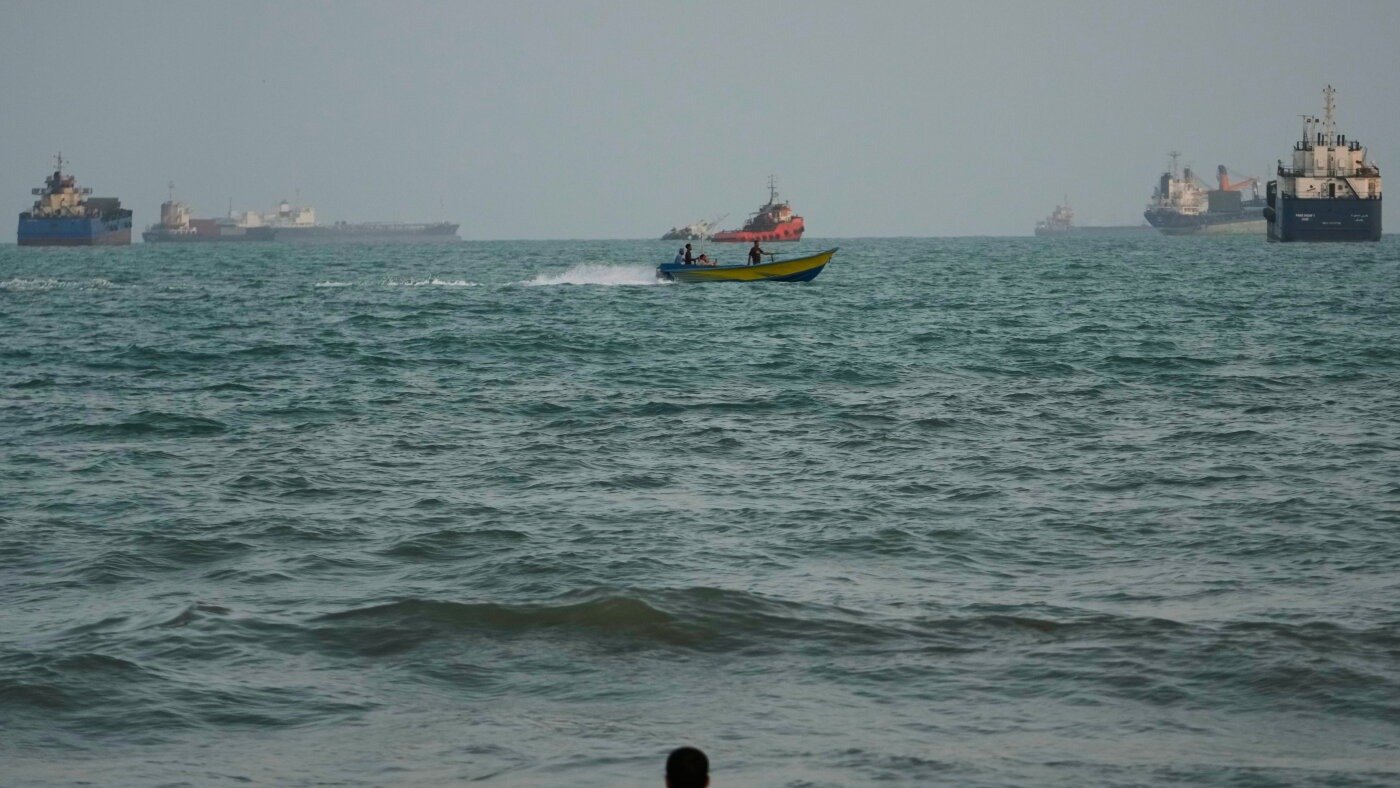
The UK's Maritime Trade Operations (UKMTO) said on Sunday that a vessel travelling through the Strait of Hormuz was struck by a missile.
The incident reportedly caused a fire on board, forcing the crew to evacuate the vessel.
The attack underscores the immediate security problem facing any attempt to restore normal commercial traffic through the waterway.
Even if governments reach a political understanding, shipping companies and insurers may remain reluctant to resume normal operations unless they believe vessels can travel through the strait without facing a significant risk of attack.
Diplomacy faces a difficult test
The postponement of the Oman meeting illustrates the difficulty of creating a regional maritime arrangement while military tensions remain high.
For Iran, securing an operating framework for shipping through Hormuz could provide a mechanism to demonstrate that the waterway can remain open under defined conditions.
For the Gulf states, however, any arrangement would need to provide credible guarantees for the safety of commercial vessels and energy infrastructure.
The competing security concerns make negotiations particularly sensitive.
A temporary agreement could potentially help reduce the immediate risk to shipping, but reaching consensus on verification, enforcement and the responsibilities of the different parties could prove difficult.
What happens next?
The immediate focus will now shift to whether Tehran and Muscat can agree on a new date for the talks.
Oman has signalled that it remains committed to dialogue, while Iran has indicated that it will continue coordinating with Muscat over a future meeting.
But the postponement also highlights the wider uncertainty surrounding the region.
With shipping risks continuing in Hormuz, Saudi Arabia's alternative pipeline route temporarily offline and global energy markets already under pressure, any further deterioration in maritime security could quickly translate into higher oil and fuel prices.
For now, the diplomatic track remains open but the postponement means there is no immediate regional agreement governing the increasingly sensitive maritime environment around the Strait of Hormuz.