GENEVA, October 29 (Aalimi Nation) – Independent human rights experts appointed by the United Nations have criticised France's handling of student protests, saying the use of force and the scale of arrests against largely underage demonstrators appeared disproportionate. The statement was issued on Wednesday by four experts mandated by the UN Human Rights Council.
The experts include Gina Romero, the special rapporteur on freedom of peaceful assembly, and Farida Shaheed, the special rapporteur on the right to education. The other two are Leopoldo Maldonado Gutiérrez, who covers freedom of expression, and Pau Pérez-Sales, the special rapporteur on torture and other ill-treatment.
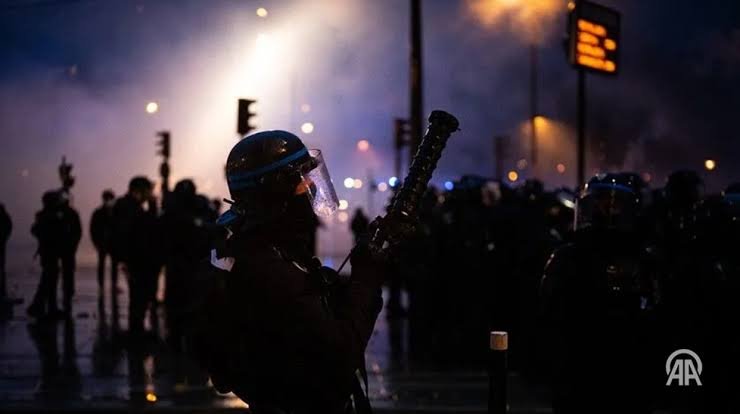
They said they were "appalled by the level of violence" directed at pupils and students. The experts described the injuries suffered by minors during police operations as "unacceptable and unjustifiable" and noted that some could be irreversible. Cases cited in the reports around the statement include a student who lost a hand and a teenage girl who lost an eye.
The arrests and detentions, which affected several thousand people, most of them minors, appeared disproportionate and could discourage people from exercising their rights to free expression and peaceful assembly, the experts said. They added that excessive force, violence and mass arrests are not appropriate responses to a social protest movement in a state governed by the rule of law.
The experts also acknowledged damage to buildings and shops and injuries to police officers, and said they condemned that violence.
Their recommendations include investigations, among them by the national police inspectorate, so that those responsible can be held to account. They also urged clear instructions from superiors, a firm political condemnation of all police violence and a comprehensive review of policing strategies. The experts said they are in contact with the French authorities.
The movement began in mid-September among high school students who objected to deteriorating buildings, crowded classrooms and teacher shortages. It later widened to include university students and drew in trade unions, as demonstrators raised concerns about the rising cost of living and public services. Some protests turned into riots and looting.
According to Interior Ministry figures, about 410,000 people took part in demonstrations across the country last Saturday, when 70,000 members of the security forces were deployed and 1,000 people were arrested. A week earlier, officials said, hundreds of businesses were looted and 2,700 people were arrested.
Interior Minister Laurent Nunez has said the government will remain "extremely firm" in responding to any further unrest. Authorities launched dialogue initiatives in October, but the experts said a security-focused approach had sidelined the root causes of the protests.
President Emmanuel Macron has said the government will announce a package of measures and has acknowledged the risk of more unrest. He has asked ministers to address the demands behind the movement. Prime Minister Sébastien Lecornu has met high school student unions, which are seeking more education resources and changes to university admissions that they say entrench inequality.
Analysts say the government's room for concessions is limited by severe pressure on public finances and planned budget cuts that have reduced education spending.
No date has been announced for the government's package of measures, and it was not immediately clear how French authorities would respond to the call for a review of policing.