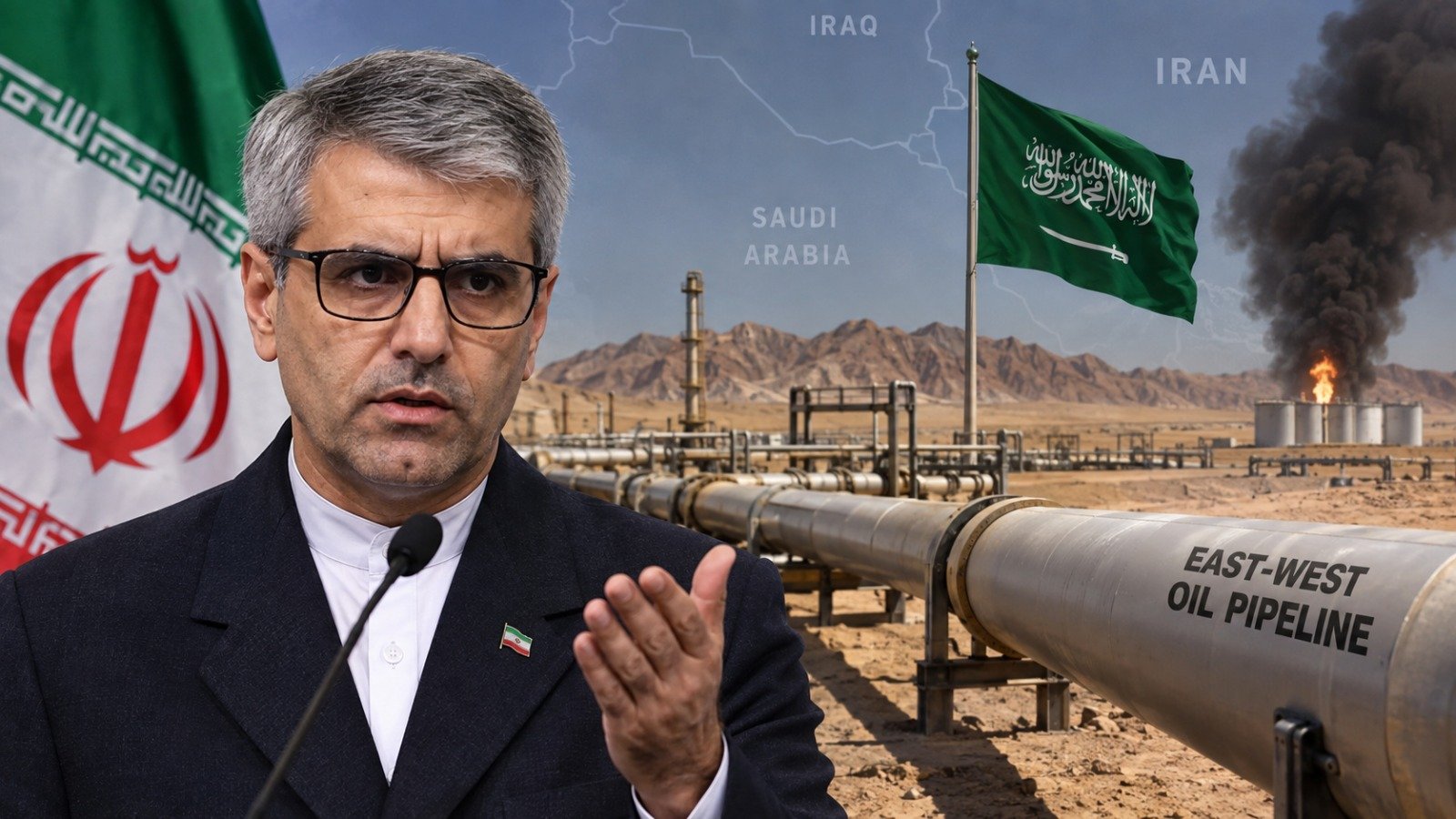
TEHRAN — Iran has denied allegations that it was involved in an attack on Saudi Arabia’s East-West oil pipeline, rejecting claims that Iranian forces played a role in the incident from Iraqi territory.
Iranian Foreign Ministry spokesperson Esmaeil Baghaei made the denial on Monday when questioned about allegations concerning Tehran’s possible involvement in the attack.
Baghaei accused the United States of spreading what he described as “false news”, dismissing the allegations against Iran.
The Iranian response comes amid rapidly escalating tensions across the Middle East, with attacks on energy infrastructure and strategic shipping routes raising concerns about the security of regional oil supplies.
Dispute over Iran’s alleged role
Questions about Iran’s involvement have emerged as the wider regional conflict has increasingly affected critical energy infrastructure.
The allegations reportedly suggested that Iran could have been involved in the attack through Iraqi territory. Tehran has rejected the accusation and has not accepted responsibility for the incident.
Baghaei’s comments represent the latest effort by the Iranian government to distance itself from attacks targeting Saudi energy infrastructure.
The dispute also reflects a broader information battle accompanying the military confrontation, with Iran and the United States issuing competing accounts of events across the region.
Why the East-West pipeline matters
Saudi Arabia’s East-West pipeline, also known as the Petroline, is strategically important because it provides an alternative route for transporting crude oil from the kingdom’s eastern oil-producing areas to the Red Sea.
The pipeline allows Saudi Arabia to move oil toward export terminals on the Red Sea without relying entirely on maritime routes through the Strait of Hormuz.
That makes any attack against the infrastructure particularly sensitive at a time when security concerns around Hormuz have already disrupted regional energy flows.
Damage or prolonged shutdowns affecting alternative export routes could further reduce the flexibility available to Saudi Arabia and increase pressure on international oil markets.
Attack comes amid wider regional instability
The reported pipeline attack is part of a broader pattern of instability affecting the Middle East.
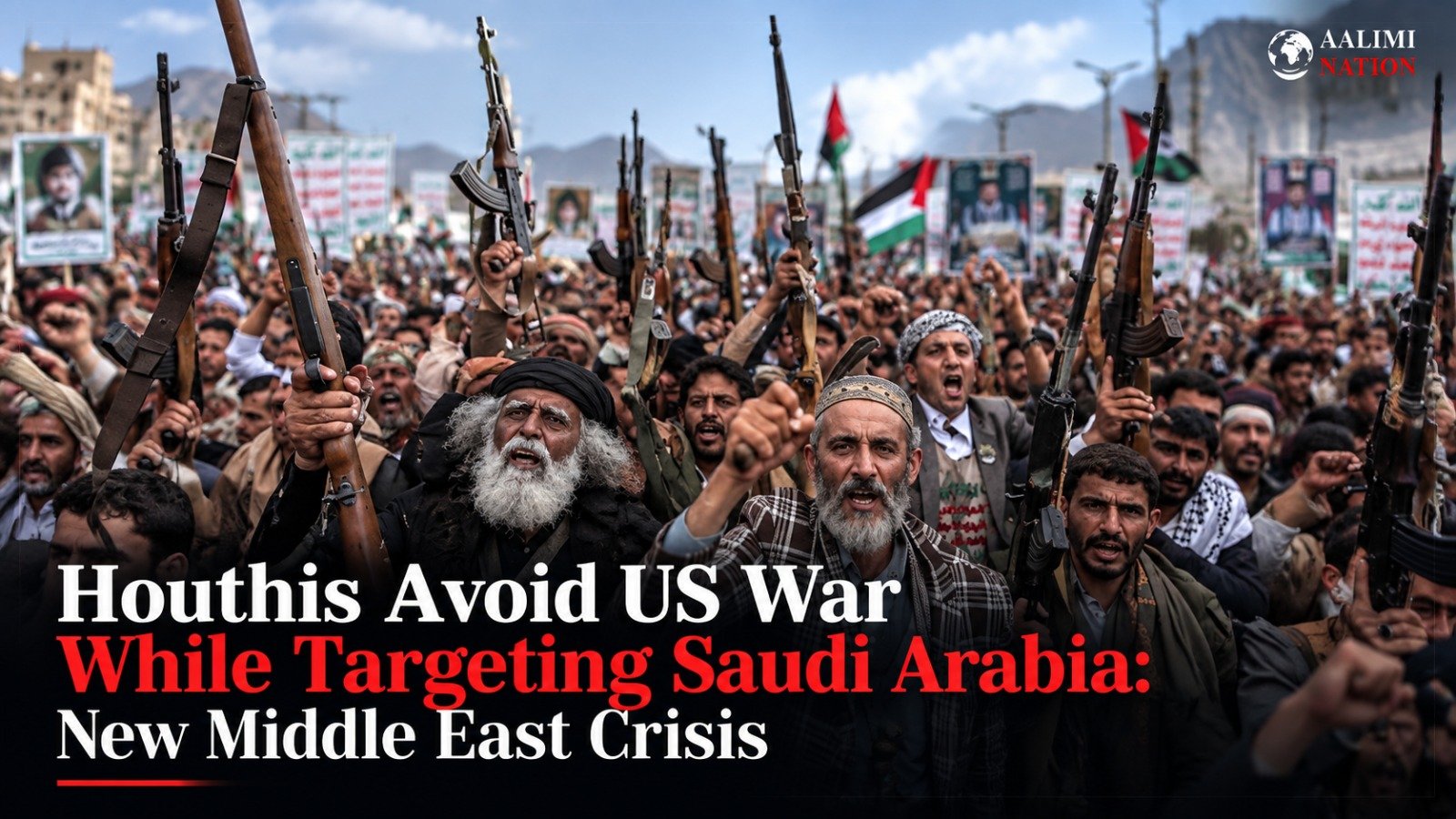
The Strait of Hormuz remains under heightened security concerns, while the Red Sea and Bab el-Mandeb have also become increasingly vulnerable because of the conflict involving Yemen’s Iran-aligned Houthi movement.
The simultaneous pressure on several strategic routes has raised fears that disruptions could spread across the region’s energy and maritime infrastructure.
For global markets, the concern is not limited to the physical damage caused by individual attacks. Repeated incidents can increase insurance premiums, disrupt tanker schedules and encourage companies to avoid vulnerable routes.
Tehran seeks to reject wider regional accusations
Iran’s denial comes as Tehran faces increasing scrutiny over the activities of its regional allies and partners.
The Houthis have maintained close ties with Iran and have expanded their military operations in Yemen, while attacks and threats involving Saudi interests have added to concerns about a widening regional confrontation.
Iran has consistently rejected accusations that it directly controls or orders all military operations conducted by allied groups.
The latest denial concerning the Saudi pipeline is therefore likely to form part of Tehran’s broader effort to distinguish its own military actions from those attributed to regional armed movements.
Energy markets remain vulnerable
The incident comes at a particularly sensitive moment for global energy markets.
Saudi Arabia is one of the world's largest oil producers, meaning any significant disruption to its production or export infrastructure can quickly affect expectations about global supply.
The strategic importance of the East-West pipeline has increased as the Strait of Hormuz faces heightened security risks.
If Saudi Arabia is unable to rely fully on alternative routes while maritime traffic through Hormuz remains threatened, the kingdom could face fewer options for maintaining stable crude exports.
That could add further upward pressure to international oil prices.
A wider US-Iran confrontation
The dispute over the pipeline attack also illustrates how difficult it has become to separate individual incidents from the wider confrontation between Iran and the United States.
Washington has repeatedly accused Iran and its regional partners of threatening American allies and critical infrastructure, while Tehran has accused the United States of using unverified or misleading claims to justify its regional policies.
Baghaei’s accusation that Washington is spreading “false news” is therefore likely to deepen an already intense war of competing narratives.
Whether Iran was directly involved in the Saudi pipeline attack remains disputed, and the available allegations should be treated cautiously unless independently verified evidence emerges.
For Saudi Arabia, however, the incident highlights a growing strategic vulnerability: its energy infrastructure is increasingly exposed to a regional conflict involving Iran, Yemen, maritime chokepoints and competing military alliances.
For global markets, the bigger question is whether these individual incidents remain contained or become part of a sustained campaign against the infrastructure that carries the world's energy supplies.