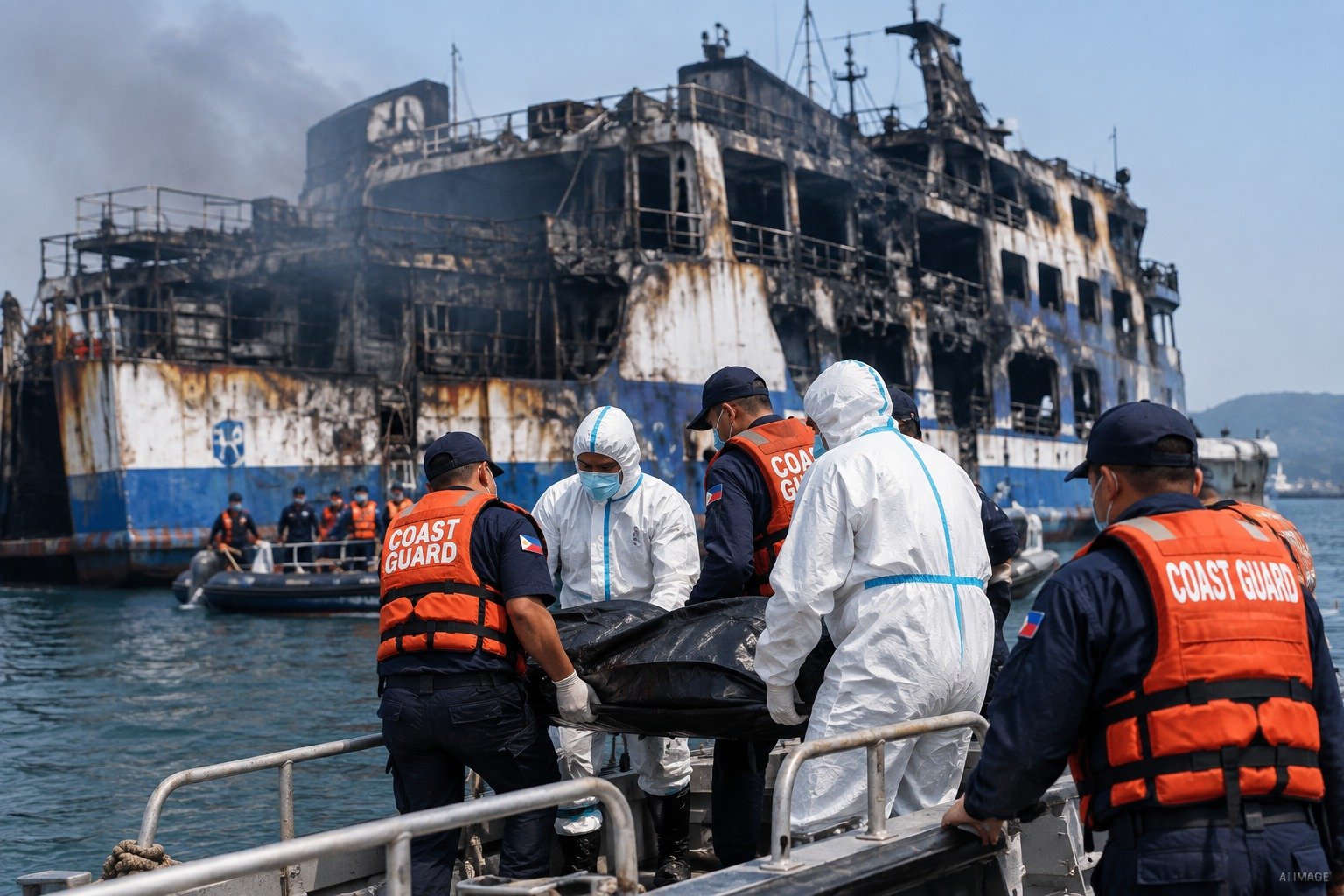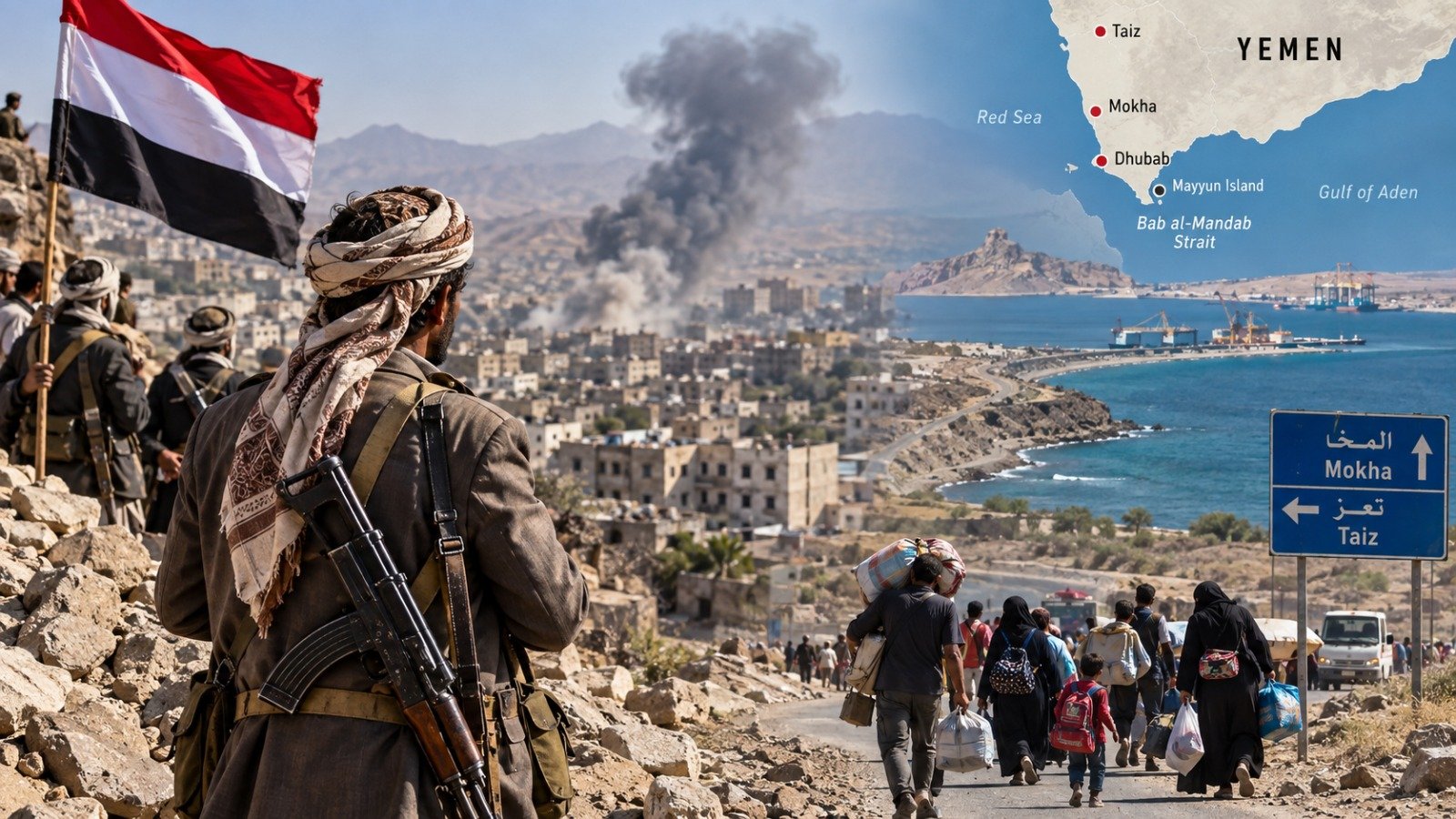

TEHRAN: Iran has warned commercial vessels that violate its rules for transiting the Strait of Hormuz that they could face penalties including fines, detention or confiscation, escalating pressure on shipping operators using one of the world's most strategically important maritime chokepoints.
The warning was issued by the newly established Persian Gulf Strait Authority (PGSA), which said vessels accused of violating Iranian transit arrangements could face restrictions on future passages.
The authority has also instructed cargo owners and shipping companies to consult an updated Non-Compliant Vessels (NCV) list before chartering ships for voyages connected with the Persian Gulf.
Ships Working With Listed Vessels Also Face Restrictions
Iran's warning goes beyond vessels already identified as non-compliant.
The PGSA said ships that cooperate with listed vessels could themselves be added to the restricted list. This includes operations such as ship-to-ship transfers and transshipment, potentially widening the impact of the new rules across commercial shipping networks.
Operators seeking to have a vessel removed from the list must submit a formal request explaining the circumstances and providing supporting information to Iranian maritime authorities.
A New Layer of Risk for Global Shipping
The announcement adds another layer of uncertainty to commercial navigation through the Strait of Hormuz, a narrow waterway connecting the Persian Gulf with the Gulf of Oman and the Arabian Sea.
The strait is a critical route for international energy markets. Before the current conflict disrupted shipping, roughly one-fifth of global seaborne oil and LNG supplies passed through the waterway.
Recent reporting indicates that maritime traffic remains substantially below normal levels, although commercial vessels have continued to transit under changing security arrangements.
Iran's Expanding Control Over Transit
The latest announcement follows the creation of the PGSA as an Iranian body responsible for managing arrangements surrounding passage through the strait.
Iran has previously introduced a system requiring vessels seeking passage to comply with its procedures. The authority's latest warning makes clear that Tehran intends to use the system not merely as an administrative mechanism but also as a means of enforcing compliance.
That approach has raised concerns among shipping companies because a vessel's future access to the waterway could potentially be affected by its dealings with another vessel already designated as non-compliant.
The Stakes for Energy Markets
Any sustained disruption to Hormuz carries consequences well beyond the Gulf.
The waterway is one of the world's principal energy chokepoints, linking major oil and gas exporters with Asian, European and other international markets.
Additional restrictions, delays or vessel detentions could increase shipping costs, insurance premiums and freight rates while adding further volatility to already sensitive energy markets.
The latest warning therefore comes at a particularly delicate moment, as Washington and Tehran remain at odds over sanctions, maritime access and the broader future of the conflict.
A Wider Maritime Confrontation
The warning also illustrates how the conflict is increasingly being fought through maritime regulation, commercial access and economic pressure, rather than solely through conventional military operations.
For shipowners and charterers, the distinction between a military threat and an administrative restriction can become increasingly difficult to manage when either can prevent a vessel from safely completing its voyage.
The immediate question for the shipping industry is therefore not simply whether Hormuz remains technically open.
It is under what conditions vessels can pass through it — and who has the practical power to enforce those conditions.
AALIMI NATION | International Affairs Desk
Source note: This report is based primarily on Reuters reporting and statements attributed to the Persian Gulf Strait Authority. The allegations of non-compliance are claims by Iranian authorities; the specific violations by individual vessels were not detailed in the reporting reviewed.