CHISINAU, November 9 (Aalimi Nation) – Moldova has formally opened a high-voltage power line linking its capital to Romania, a project officials call the "energy independence line" and say will reduce the country's reliance on Russian-influenced supply routes.
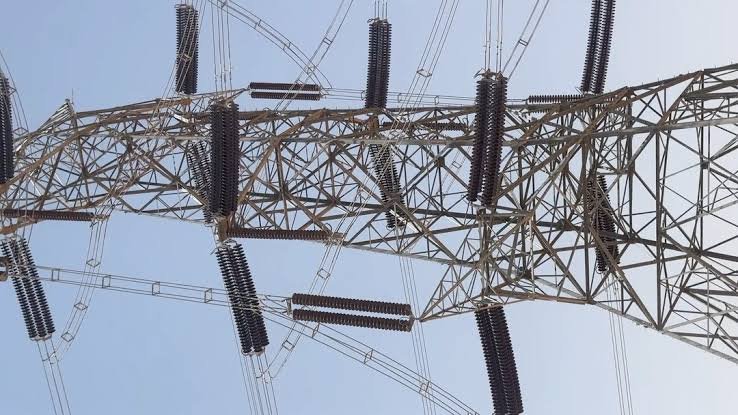
The overhead Vulcanesti–Chisinau line was inaugurated on Sunday, November 8, at a ceremony attended by President Maia Sandu, Energy Minister Dorin Junghietu, European Commissioner Marta Kos and World Bank representatives, according to officials. The line is about 157 kilometres long and connects a 400 kV substation at Vulcanesti, in the south, with a 330 kV substation in Chisinau.
The link gives Moldova another route to import electricity from Romania and the wider European market. Officials said it lessens dependence on the Cuciurgan power node in Transnistria, the pro-Moscow separatist region that has long been central to Moldova's electricity and gas supplies.
The line opened roughly two years later than the date Moldovan authorities first promised. Junghietu said the project passed through several stages, governments and crises, and was held up by the war in neighbouring Ukraine.
Sandu said on social media that "for decades, Moscow used energy to blackmail us". At the ceremony she said that no one can now blackmail Moldova, switch off its lights or turn off its heating, according to remarks reported from the event. She added that Moldova invested too little in energy interconnections during its first three decades of independence, and said two more power lines to Romania are planned.
Kos said Moldova could now buy electricity where it is cheapest. She also said that Moldova's dependence on Russian energy was now "truly over", according to remarks from the ceremony.
Officials were also open about the limits of the project. Sandu acknowledged that high energy prices on international markets still weigh on consumers and that the government must keep allocating funds to limit tariff increases during the cold season. She said she expects global prices to stabilise over the medium term.
The country of about 2.6 million people sits between Romania and Ukraine. It historically received most of its gas from Russia, delivered through Transnistria and pipelines crossing Ukraine. Moldova's parliament approved a state of emergency running until November 20 to ease gas shortages amid high energy prices. Some European officials have blamed Moscow for the price rise and accused it of withholding supplies, though Russia's position was not set out in the material available for this report.
The opening comes amid heightened concern about security in the Black Sea region. Romanian authorities said in October that Russia was responsible for a drone strike that sank a cargo ship off the Romanian coast, killing one crew member and leaving three missing. Ukraine, Romania and Bulgaria then asked NATO to speed up surveillance, and the alliance said it would send patrol aircraft, radar systems and drones.
The government says it will continue to fund tariff relief through the heating season while pursuing further connections with Romania. Officials have not published a detailed timetable for the two additional lines Sandu mentioned. Authorities say the line gives Chisinau a supply route that does not pass through separatist-controlled infrastructure.