
NEW DELHI, October 26 (Aalimi Nation) – Senior officials from Saudi Arabia, Türkiye and Pakistan, the three countries bound by the Mecca Joint Defence Agreement, were due in Tehran on Monday for security talks with Iranian officials, Iran's deputy security chief and Saudi officials said, as regional tensions continue.
Ali Bagheri Kani, the deputy secretary of Iran's Supreme National Security Council, said Saudi Defence Minister Khalid bin Salman Al Saud, Pakistani army chief Asim Munir and Turkish intelligence chief Ibrahim Kalin would take part in a joint meeting during the visit. Iran's delegation is to be led by Mohsen Rezaei, the secretary of the Supreme National Security Council. The visitors are also scheduled to meet President Masoud Pezeshkian, according to Iranian accounts.
Bagheri Kani linked the visit to the trip Munir made to Tehran last week, when, he said, the Pakistani army chief announced during a meeting with Rezaei that senior officials of the three countries would travel to the Iranian capital.
Saudi Deputy Minister for Public Diplomacy Rayed Krimly confirmed the meeting. He said on social media that the visit supports de-escalation of the ongoing crisis and backs the mediation efforts of Qatar and Pakistan. "The visit underscores the pivotal role of Mecca Joint Defence Agreement countries in reinforcing regional security," Krimly said.
Bagheri Kani said the talks could help build regional security with the participation of regional actors.
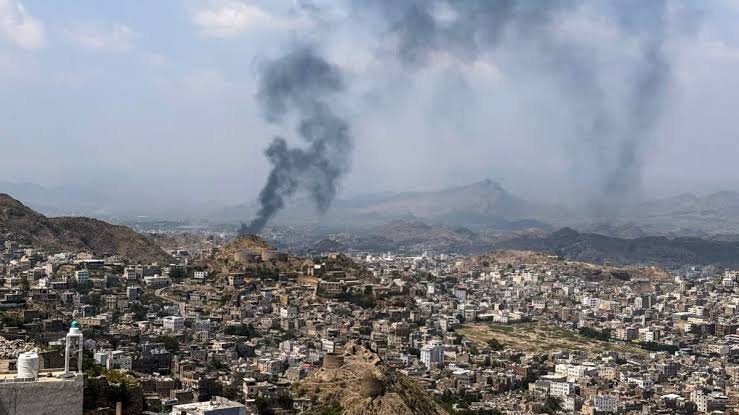
The meeting would be the first high-level contact between Iran and all three members of the alliance since the Iran-aligned Houthi group in Yemen escalated attacks on Saudi Arabia last month. Saudi forces have reported intercepting missiles and drones, including in a barrage on Sunday.
The Mecca Joint Defence Agreement was signed by Saudi Arabia, Türkiye and Pakistan in August. Under its terms, an armed attack on one member is treated as an attack on all, and its first article says the parties will use all necessary means to address threats to territorial integrity and sovereignty. Pakistan's approval of the pact came last week, and Türkiye's parliament began its ratification process in the same period. Defence ministers of the alliance met in Riyadh earlier this month and agreed to ensure the rapid deployment of forces to Saudi Arabia.
The talks also take place against the backdrop of the conflict that began in late February, when the United States and Israel launched attacks on Iran. Pakistan has been one of the intermediaries between Washington and Tehran since the conflict began. An interim agreement reached in June later broke down when fighting between Iran and the United States resumed.
During his visit to Tehran last week, Munir met Pezeshkian. Iranian officials told him, according to the account of that meeting, that there would be no talks with the United States on ending the war until Tehran's demands are met. The officials did not detail those demands in the account available.
No outcome of Monday's meeting had been announced at the time of writing, and the accounts of the agenda come from the Iranian and Saudi sides before the talks began. Descriptions of Kalin's title differ slightly between reports, with some calling him the head of Türkiye's national intelligence organisation.