WASHINGTON, October 26 (Aalimi Nation) – The United States military says its forces have helped Gulf countries export more than 1.5 billion barrels of crude oil through the Strait of Hormuz since the summer, a figure that comes from US Central Command (CENTCOM) and has not been independently verified.
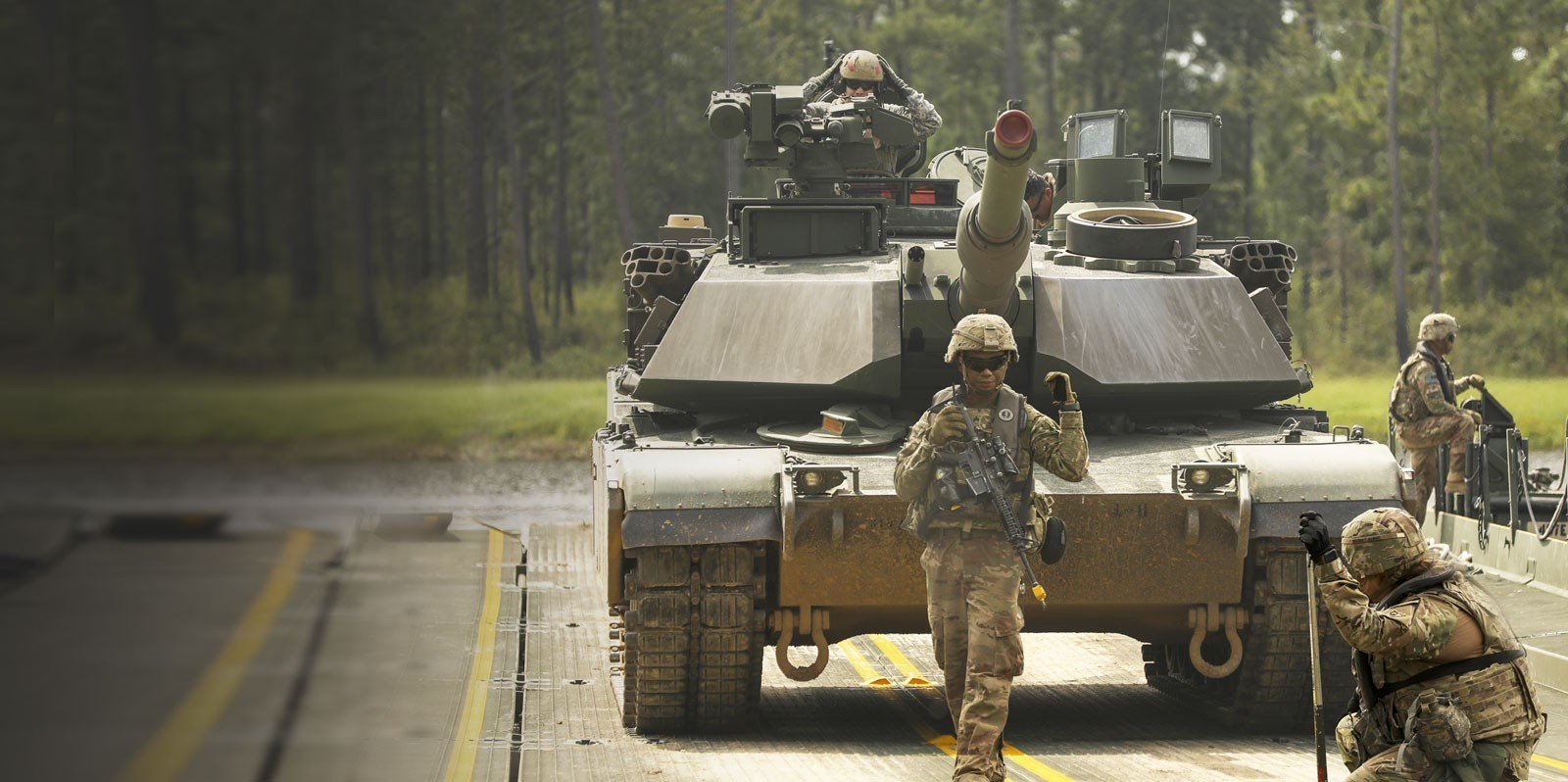
CENTCOM posted the milestone on Sunday, saying US forces were assisting Gulf partners in exporting the oil. It said more than 3,000 commercial vessels had passed through the strait with its support over six months, and that more than 95 per cent of ships using the waterway in recent months had done so safely despite Iranian threats.
Hormuz oil exports: what CENTCOM said
CENTCOM's commander, Admiral Brad Cooper, visited US troops in the area and said the primary transit routes in the Strait of Hormuz "remain free and clear of Iranian sea mines." He credited what he called "incredible efforts" by mine-clearance personnel. CENTCOM said the figures showed that the United States and regional partners control the international waterway.
Iran's position is different. Tehran has demanded that ships obtain its permission before transiting the strait and has sought to control traffic since the war in West Asia began on February 28 with US and Israeli strikes on Iran. No Iranian official was quoted in the coverage reviewed on the 1.5 billion barrel claim, so the US account remains one side of a contested picture.
Independent data on Gulf crude exports
Some independent data is consistent with a recovery in shipments. The maritime tracking firm Kpler estimates that crude exports from the region, excluding Iran, reached at least 16.5 million barrels per day in September, roughly the average before the war. Analysts have attributed the rebound to ship-to-ship transfers at sea, US military escorts and greater use of pipelines that avoid the strait.
The strait matters because about a fifth of the world's oil exports normally pass through it. Disruption there has pushed energy prices sharply higher. Brent crude was around $114.50 a barrel on Sunday, about 2 per cent lower than the previous week, when it touched a near six-month high. On February 27, the day before the strikes began, Brent had settled at $72.48.
Washington's public line
The CENTCOM statement echoes remarks by senior US officials earlier this month. Secretary of State Marco Rubio said Iran had "lost complete control" of the strait and that its economy was "in total and complete freefall." He added, "The Straits of Hormuz are open."
The claims sit alongside an ongoing risk to commercial shipping. CENTCOM itself referred to continuing Iranian threats to vessels, and the 95 per cent safety figure implies that a share of ships did not transit without incident. The statement did not give details on those cases.
The US-Iran standoff is continuing, with both sides trading public warnings. Oil traders are expected to keep watching whether shipping volumes hold at the September level and whether any new incident in the strait disrupts them. Further official figures from CENTCOM, and any response from Tehran, will help clarify how much of the recovery depends on military escorts and how much on the alternative routes that Gulf producers have developed.