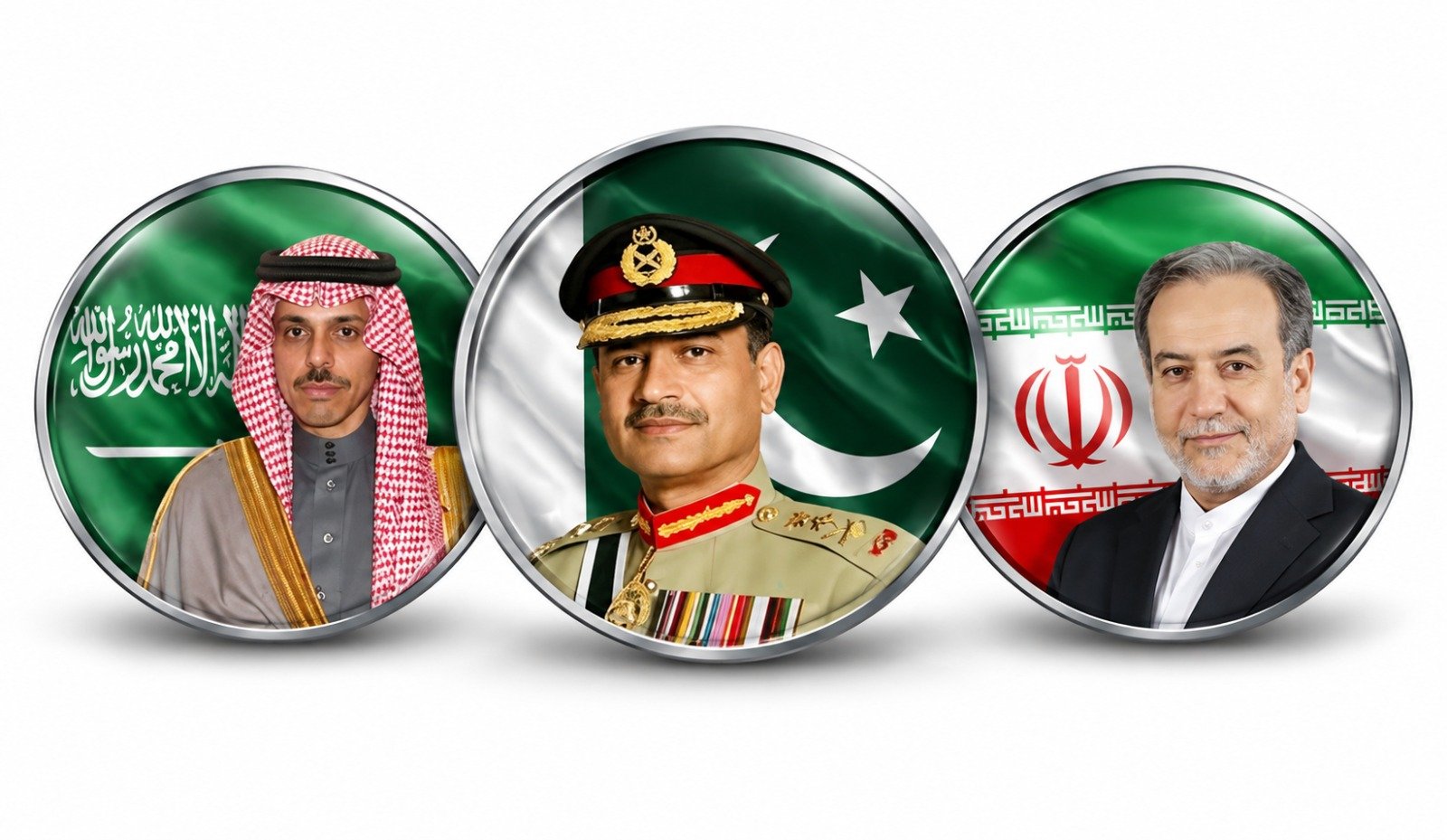
AALIMI NATION: Iranian Foreign Minister Abbas Araghchi held a telephone conversation with Pakistan’s Army Chief, Field Marshal Asim Munir, amid a diplomatic stalemate between Washington and Tehran and continuing uncertainty over efforts to end the Iran war.
Iranian state media said the two discussed the latest regional developments during Araghchi’s visit to Beijing on Wednesday. According to Pakistani sources cited by Anadolu, the conversation also focused on Houthi attacks against Saudi energy infrastructure and efforts to revive stalled direct talks between the United States and Iran.
The contact comes as the conflict enters its seventh month, with no publicly announced agreement between Washington and Tehran and continued uncertainty over the conditions for a diplomatic settlement.
Trump Says War Could Be Nearing an End
U.S. President Donald Trump said on Wednesday that he hoped the war with Iran was approaching its end.
Trump also said Iran wanted to reach an agreement and claimed that Washington had received a message from Tehran directly. He did not disclose details of the communication. Reuters reported that Trump’s comments came as preparations emerged for a possible meeting with Gulf leaders in New York next week.
Iranian officials have continued to emphasize Tehran’s interests and security demands, while the two sides have yet to announce a new formal negotiating framework.
Trump Expected to Meet Gulf Leaders
U.S. officials are expected to hold talks with leaders or foreign ministers from the six Gulf Cooperation Council (GCC) states on the sidelines of the United Nations General Assembly in New York next Tuesday.
The group includes Saudi Arabia, the United Arab Emirates, Qatar, Bahrain, Kuwait and Oman.
According to Axios, the meeting is expected to focus on U.S. ideas for managing the situation after the war and the broader regional strategy that could follow the conflict. The initial invitations were reportedly sent by the U.S. State Department on Wednesday.
The meeting would come as Gulf states face direct security and economic consequences from the conflict, including disruptions to energy exports and maritime traffic.
Pakistan's Role in Regional Diplomacy
Pakistan has maintained contacts with both Washington and Tehran during the conflict and has previously been involved in regional diplomatic efforts.
Field Marshal Asim Munir has spoken with Araghchi on previous occasions as part of broader efforts to reduce tensions and keep communication channels open. Axios previously reported that Pakistani, Qatari, Turkish, Egyptian and Saudi officials had engaged with both U.S. and Iranian officials in diplomatic efforts aimed at de-escalation.
The latest Araghchi-Munir call comes at a particularly sensitive moment, with attacks affecting Saudi energy infrastructure and major shipping routes in the region.
Houthi Attacks Add to Regional Pressure
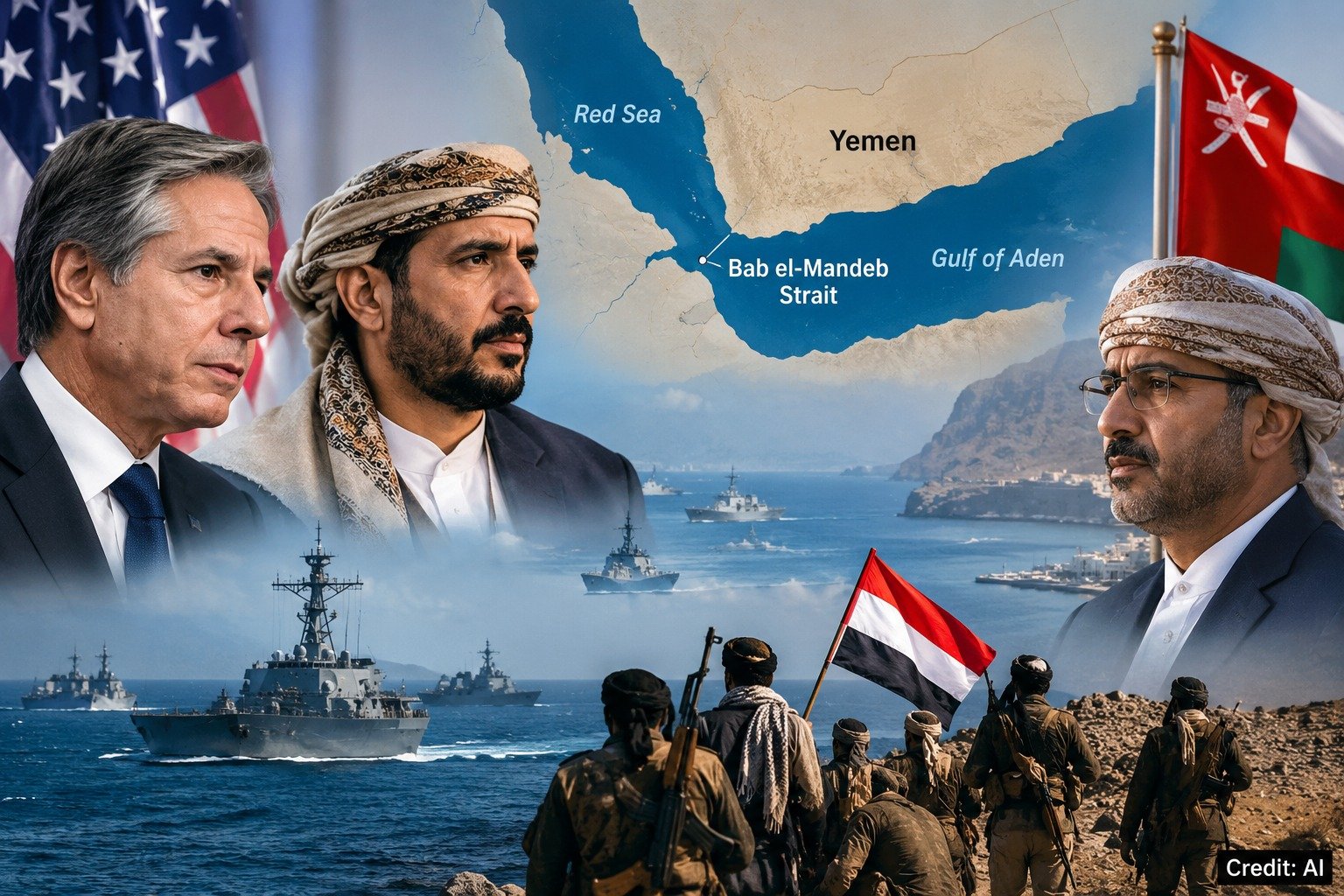
According to Pakistani government sources cited by Anadolu, Munir urged Tehran to use its influence with Yemen’s Houthi movement to prevent further attacks on Saudi energy and economic infrastructure.
The sources said the conversation also addressed the possibility of reviving direct U.S.-Iran negotiations.
The issue has added another layer to the diplomatic challenge facing regional governments, as attacks in and around the Red Sea and Gulf have affected energy markets and commercial shipping.
Strait of Hormuz Under Pressure
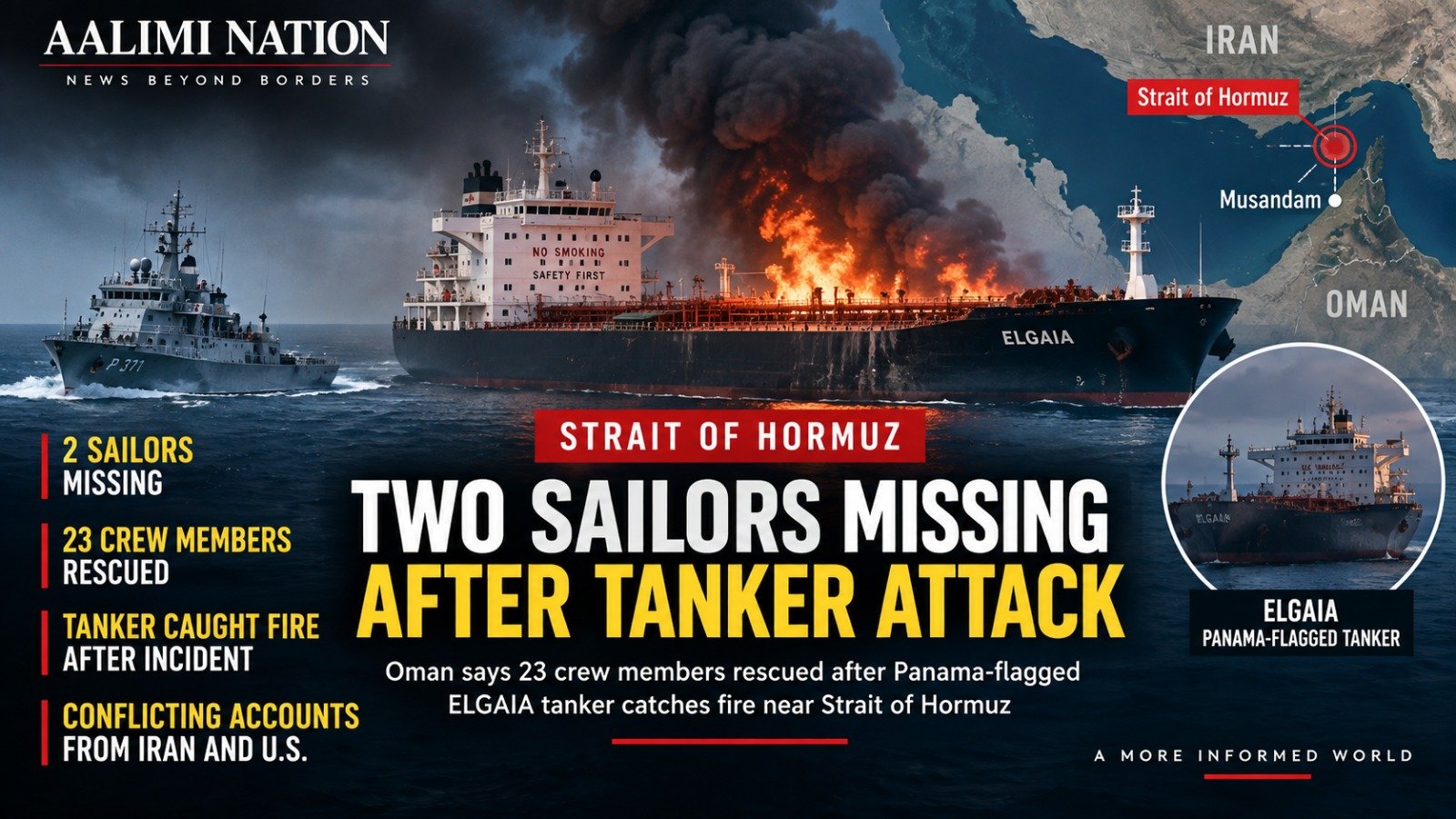
Maritime traffic through the Strait of Hormuz has also fallen sharply amid the continuing conflict.
Data cited by Al Jazeera showed only three commercial vessels crossing the waterway on Wednesday, compared with 12 the previous day and an average of around 17 vessels over the preceding 10 days. The figures may not include vessels that switched off their tracking systems.
The Strait is one of the world's most important energy corridors, making any prolonged reduction in shipping a major concern for oil and gas markets.
What Happens Next?
The immediate diplomatic picture remains uncertain.
Trump has publicly expressed hope that the conflict could be nearing an end, while Washington and Tehran have yet to announce a new agreement. At the same time, Pakistan and other regional states continue to maintain communication with Iranian officials.
The expected Trump-Gulf meeting in New York could provide a clearer indication of Washington’s plans for the conflict’s next phase, particularly regarding regional security, energy infrastructure and the future of U.S.-Iran diplomacy.
For now, the Araghchi-Munir conversation represents another channel of regional communication at a time when direct negotiations between Washington and Tehran remain stalled.