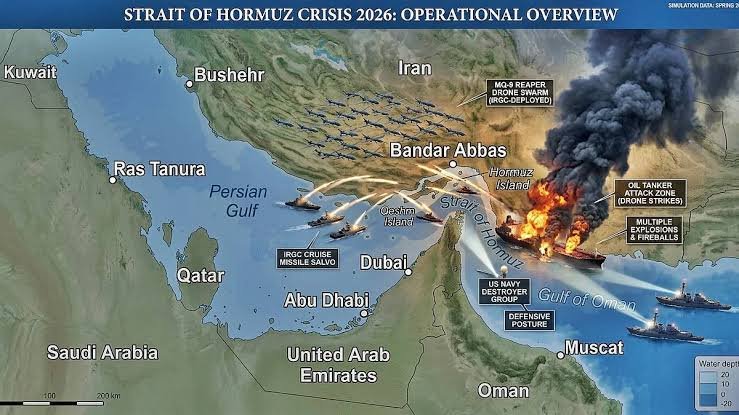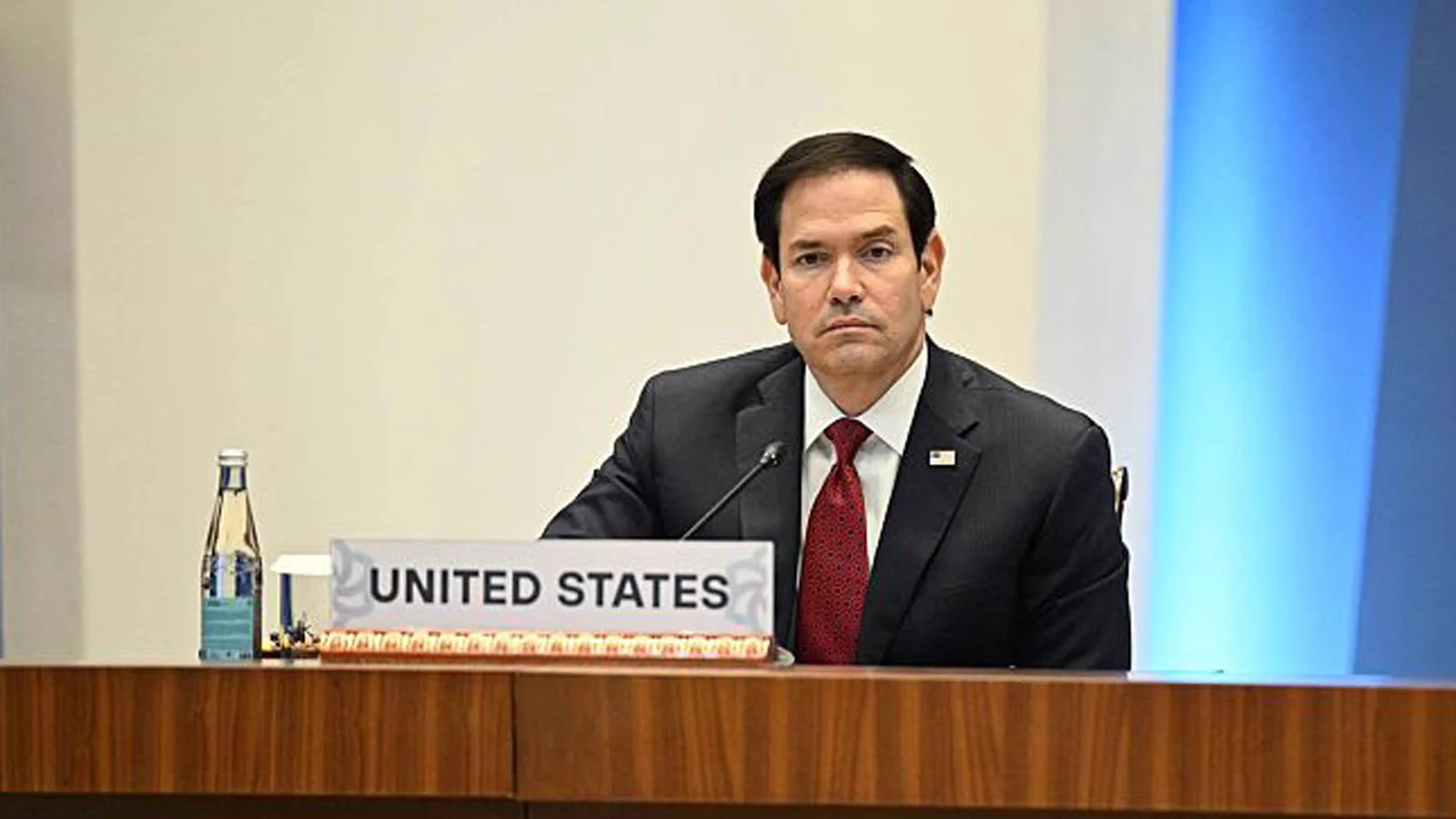
NEW DELHI, October 21 (Aalimi Nation) – US Secretary of State Marco Rubio said on Wednesday that a peace agreement with Iran is "extremely difficult", while Iran's foreign minister said the Strait of Hormuz will remain closed until Washington accepts Tehran's conditions. The two positions leave little visible common ground, although both sides indicate that indirect contacts are continuing.
Rubio: pressure will continue
In a US television interview, Rubio said Washington will keep applying economic pressure on Tehran until Iran stops attacking commercial vessels in the Strait of Hormuz. He expressed concern about attacks on shipping and urged Iranian authorities to halt them.
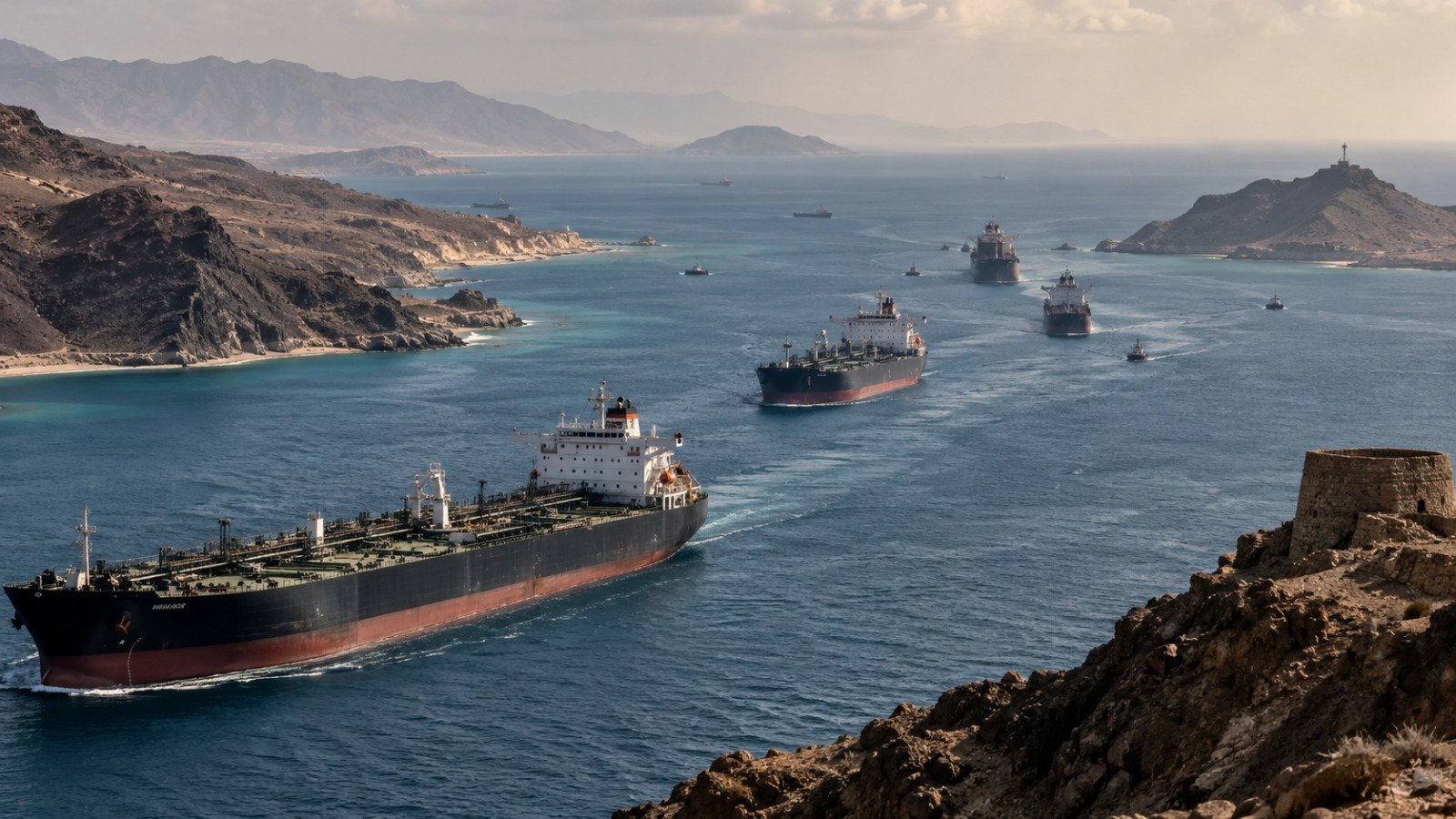
Rubio also said oil tanker traffic through the strait has recovered to more than 80 per cent of pre-war levels. Iran has repeatedly disputed that figure, and no independent number was available in the coverage reviewed.
Araghchi: strait stays closed
Foreign Minister Abbas Araghchi, speaking in a televised interview, said: "The American side must accept our conditions to open the strait to ships and vessels." He said compliance with the Islamabad Memorandum of Understanding, a 14-point document signed in June to end hostilities and open the way to further talks, must come first. "After they adhere to these commitments, we can enter into negotiations on other cases," he said.
Araghchi said Iran and the United States remain in indirect contact through intermediaries, including Pakistan and Qatar. He described an Iranian proposal known as the "Seven-Day Plan", which he said set conditions and a timetable for reopening the strait. "The Strait of Hormuz was supposed to be fully opened on the sixth day of this period," he said. He alleged that Washington first signalled agreement and then sought additional clauses on matters already discussed. No US response to that claim was available.
Nuclear dispute and shipping routes
Araghchi said the nuclear issue is "an excuse" and that what the Americans oppose is "Iranian ideology". He said Iran would not yield to sanctions or threats and that "the only appropriate solution is diplomacy and a negotiated solution." Iran's Deputy Foreign Minister Saeed Khatibzadeh said lasting regional peace requires an end to hostilities on all fronts, and that Iran is ready to answer questions from the International Atomic Energy Agency and Washington about its nuclear programme, which Tehran describes as peaceful.
Araghchi also said Iran and Oman had agreed on shipping routes through Hormuz and were awaiting international registration. He described the strait as lying in the "internal waters of Iran and Oman". That is Iran's characterisation, and no independent legal assessment accompanied it.
What the US president has said
At a rally in Kentucky on Saturday, President Donald Trump said the conflict with Iran would end "very quickly" and claimed earlier US strikes had destroyed Iran's nuclear capabilities. Those claims about damage have not been independently verified.
What remains unconfirmed
Most claims about the closure and shipping volumes come from the parties themselves. It has not been independently established how fully the strait is closed or how many vessels are passing. India, which imports most of its crude oil, has a direct interest in the outcome, since disruption in the strait has contributed to elevated oil prices.