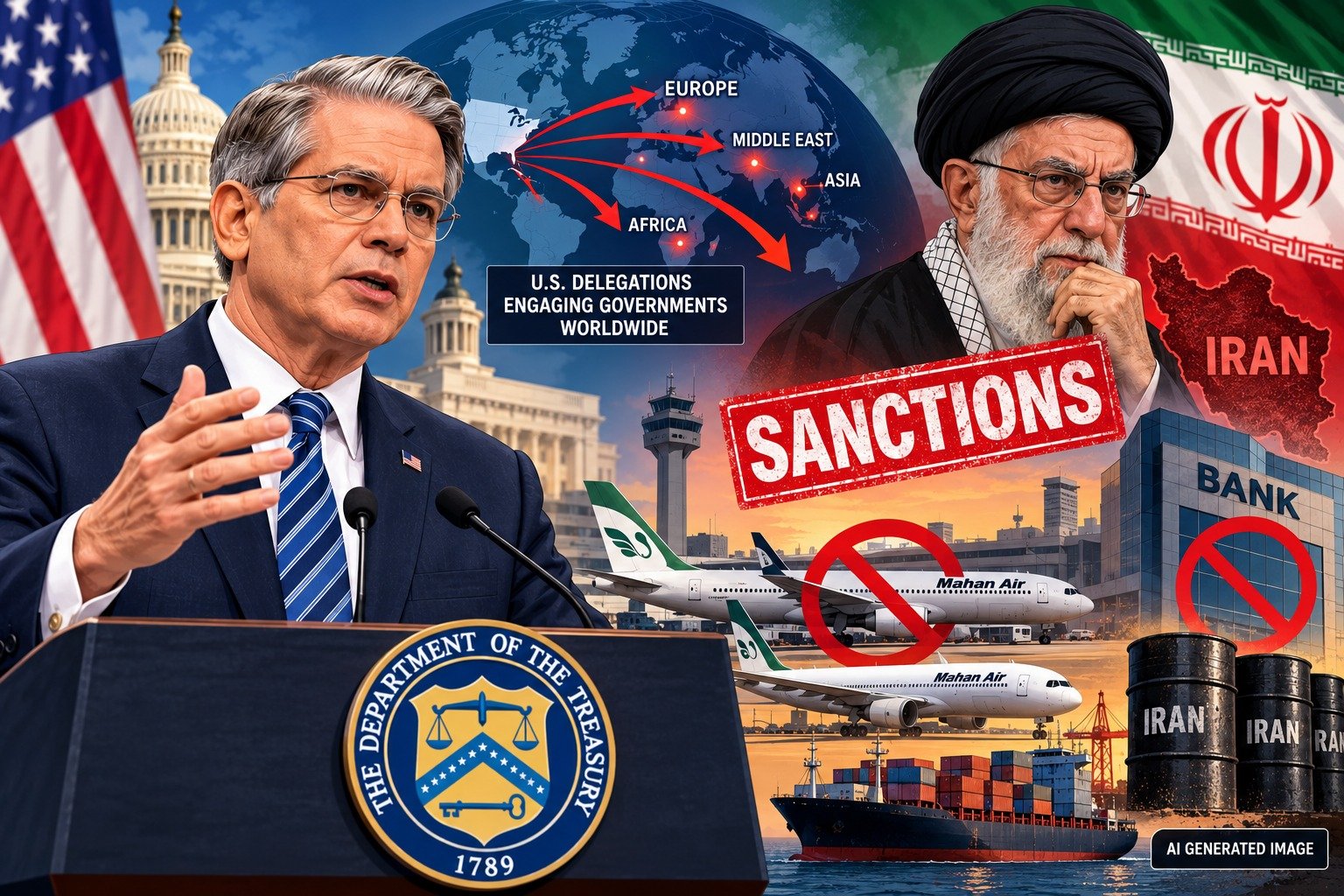
The United States is intensifying its campaign to economically isolate Iran, with Treasury Secretary Scott Bessent saying Washington has sent teams to countries around the world to encourage governments to take action against Tehran.
In a statement posted on social media, Bessent said the US teams had engaged foreign governments as part of an effort to strengthen economic pressure on Iran, adding that Washington's measures were beginning to produce results.
The campaign is focused particularly on Iran's financial and aviation sectors, with Washington seeking to restrict channels that it says provide economic support to the Iranian government.
Aviation links face growing restrictions
Bessent highlighted measures affecting Iranian airlines, particularly Mahan Air, saying Türkiye and Oman had halted incoming flights by the Iranian carrier, while the United Arab Emirates had stopped flights by Iranian airlines.
The restrictions come amid a broader US effort targeting Iran's aviation sector. The US Treasury announced on September 8 that it had sanctioned 36 individuals and entities connected to Iran's aviation industry under its Operation Economic Outcast, including foreign intermediaries and companies accused of supporting procurement and sanctions-evasion networks.
Washington has also warned companies providing financial, logistical or other commercial support to sanctioned Iranian aviation networks that they could face US sanctions.
Banking pressure expands
Bessent also pointed to new restrictions involving Iranian banking operations.
According to reporting by AFP, the United Arab Emirates' central bank blocked transactions involving branches of Bank Melli Iran, while Türkiye revoked the licence of Bank Mellat, an Iranian financial institution already subject to Western sanctions.
The measures form part of Washington's broader strategy of restricting Iran's access to international financial networks.
The US Treasury has said that entities facilitating money laundering, sanctions evasion or other prohibited transactions involving Iran could face restrictions on access to the US financial system.
Washington seeks wider international cooperation
Bessent said the US had been engaging governments in different regions to encourage additional restrictions on Iranian economic activity.
AFP reported that Treasury officials had held discussions with more than 50 countries as Washington sought broader international cooperation.
The US Treasury has described the campaign as an effort to cut off financial networks and revenue streams that it says support the Iranian government.
In July, Treasury officials also targeted companies and intermediaries in several countries over alleged links to Mahan Air and Iran's Islamic Revolutionary Guard Corps.
Pressure comes amid wider US-Iran standoff
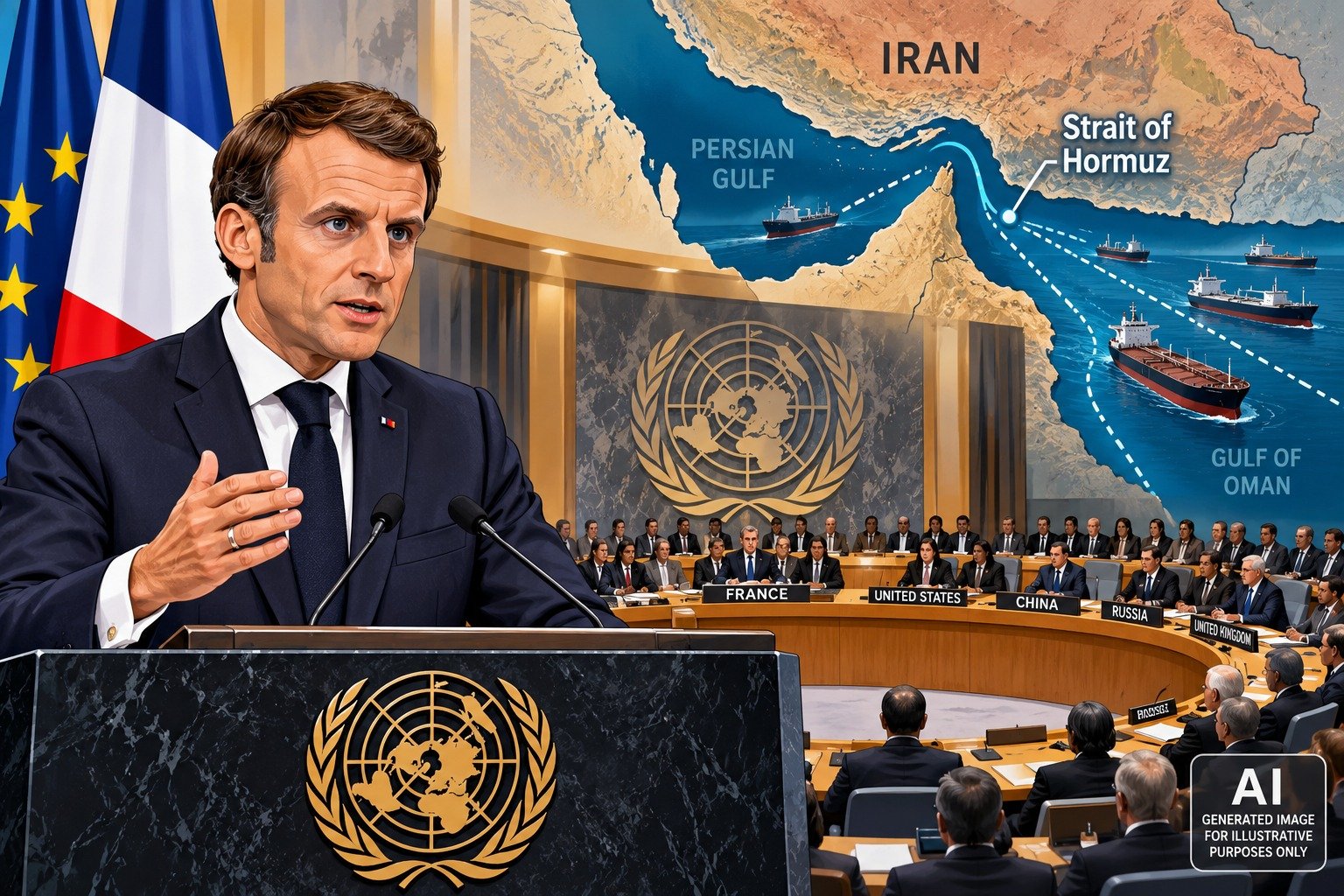
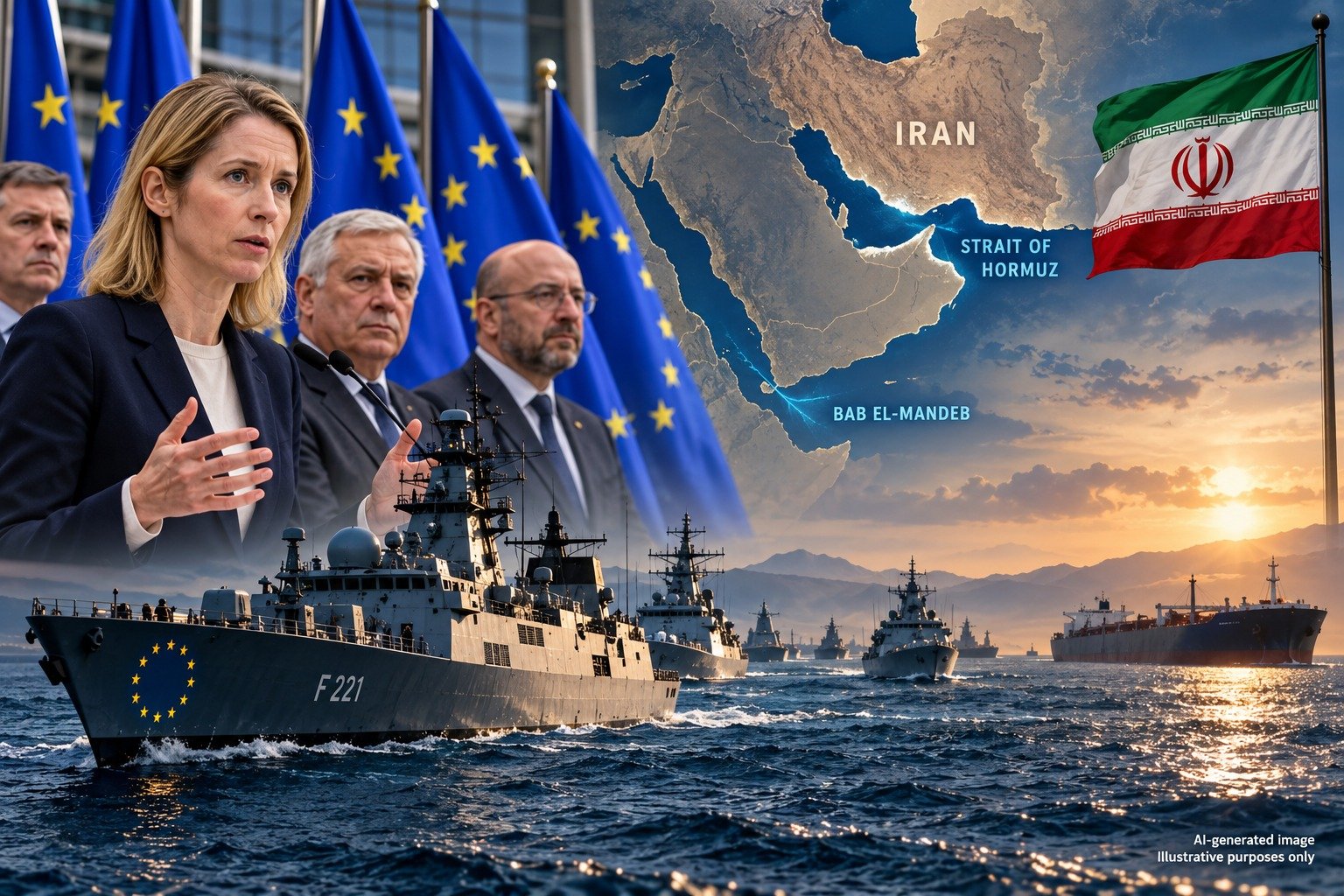
The economic campaign comes as Washington and Tehran remain locked in a broader confrontation over the war and the future of the Strait of Hormuz.
Iran recently submitted a seven-day proposal through mediators that would, according to Iranian Foreign Minister Abbas Araghchi, establish conditions for reopening the strategic waterway and restarting negotiations.
US President Donald Trump publicly rejected the proposal on September 26. Iran has subsequently said it is awaiting a formal response through diplomatic channels before deciding its next steps.
The Strait of Hormuz remains central to the dispute because of its importance to international energy and maritime trade.
Iran faces mounting economic and aviation challenges
The expanding restrictions are adding pressure to Iran's international aviation and financial connections.
Iranian airlines have faced increasing difficulties accessing foreign airports and aviation services as governments and companies assess the potential consequences of US secondary sanctions.
At the same time, the US Treasury has continued expanding sanctions against entities accused of helping Iran circumvent restrictions or maintain access to international financial and supply networks.
Bessent has said Washington intends to continue the pressure campaign.
However, the effectiveness of the measures remains a matter of ongoing debate, particularly as Iran maintains economic and commercial links with countries that have not adopted all of Washington's restrictions.
What happens next?
The immediate focus is likely to remain on whether additional governments impose restrictions on Iranian banking and aviation operations and whether diplomatic efforts can reopen the Strait of Hormuz.
For Tehran, the challenge is to maintain international economic and transport links while facing increasing US sanctions pressure. For Washington, the campaign depends in part on how widely other countries are prepared to cooperate with its sanctions strategy.
The latest developments therefore place economic sanctions, aviation access and freedom of navigation through Hormuz at the centre of the continuing US-Iran confrontation.
Sources: U.S. Department of the Treasury | AFP | Channel NewsAsia | Associated Press