U.S. Special Envoy Steve Witkoff said Wednesday that talks between the United States and Iran on the sidelines of the United Nations General Assembly had been constructive, with mediators continuing efforts to bridge major differences between the two sides.
Witkoff said in a post on X that U.S. and Iranian representatives had held lengthy discussions through intermediaries during the day. He said a round of talks had been completed and expressed hope that the negotiations would prove “constructive and promising,” adding that mediators would continue their efforts.
Iranian Foreign Ministry spokesman Esmail Baghaei said Tehran had communicated with Washington through Qatari mediation and had presented its conditions for moving forward.
According to Baghaei, Iran is seeking an end to military operations on all fronts, an end to what Tehran describes as U.S. “aggressive actions,” and the lifting of economic and military pressure.
Iran has also called for an end to what it describes as a naval blockade and for the release of Iranian assets.
However, significant differences remain between Washington and Tehran. Earlier, U.S. sources familiar with the discussions said the prospects of reaching an agreement remained limited because of major disagreements between the two sides.
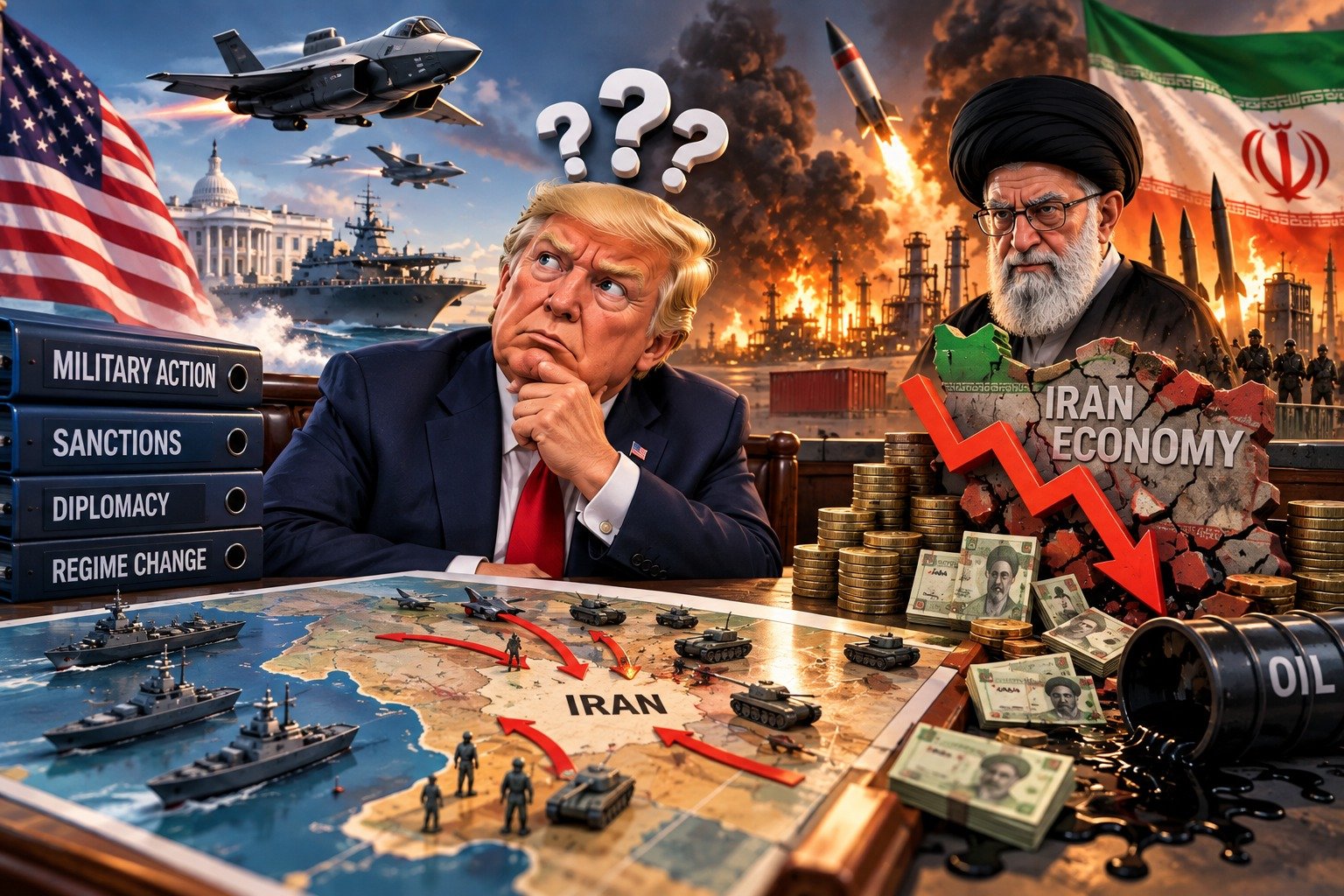
The issue of the Strait of Hormuz is also understood to be an important part of the negotiations, alongside sanctions, military operations and economic restrictions.
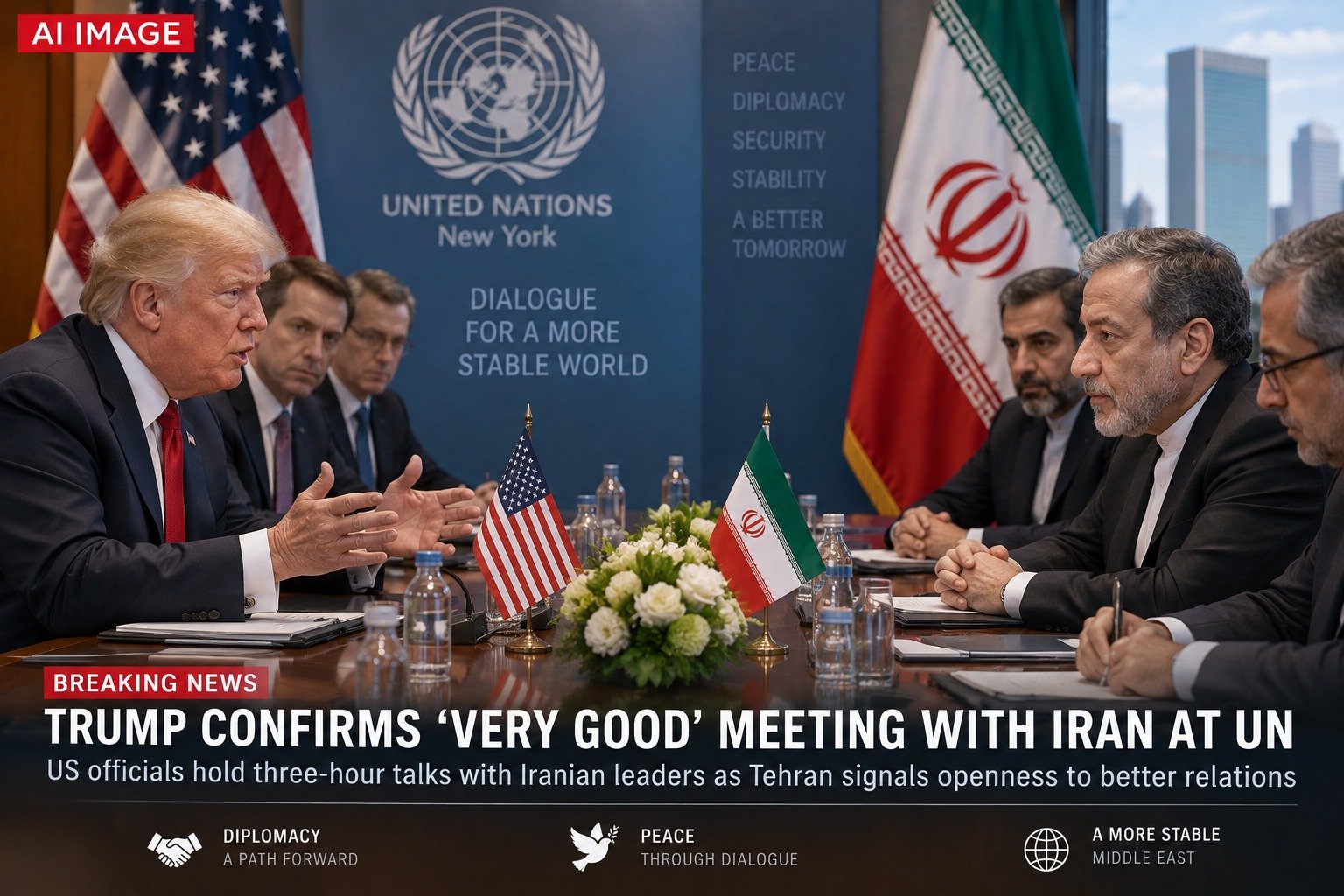
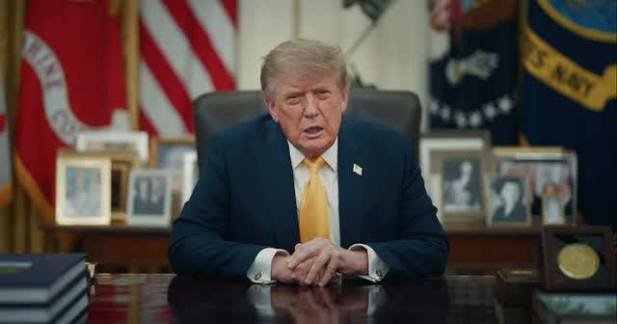
The latest diplomatic contacts followed remarks by U.S. President Donald Trump, who said that American and Iranian representatives had held highly productive discussions in New York.
Trump said further talks could take place soon and indicated that Washington was seeking an agreement that would prevent Iran from developing nuclear weapons.
Witkoff, who has been involved in previous efforts to negotiate with Tehran, said he remained highly optimistic about the discussions. Trump's son-in-law Jared Kushner also participated in the latest contacts and had previously been involved in negotiations with Iran before talks were suspended in June.
The renewed diplomatic engagement comes amid continued tensions between Washington and Tehran following months of conflict and the collapse of an interim ceasefire arrangement.
While both sides have now resumed communication through intermediaries, no final agreement has been announced, and substantial differences remain unresolved.
The coming rounds of negotiations are expected to focus on military activity, sanctions, the Strait of Hormuz, Iran's nuclear programme and the release of Iranian assets.
AALIMI NATION | WORLD
U.S.–Iran Diplomacy | United Nations General Assembly