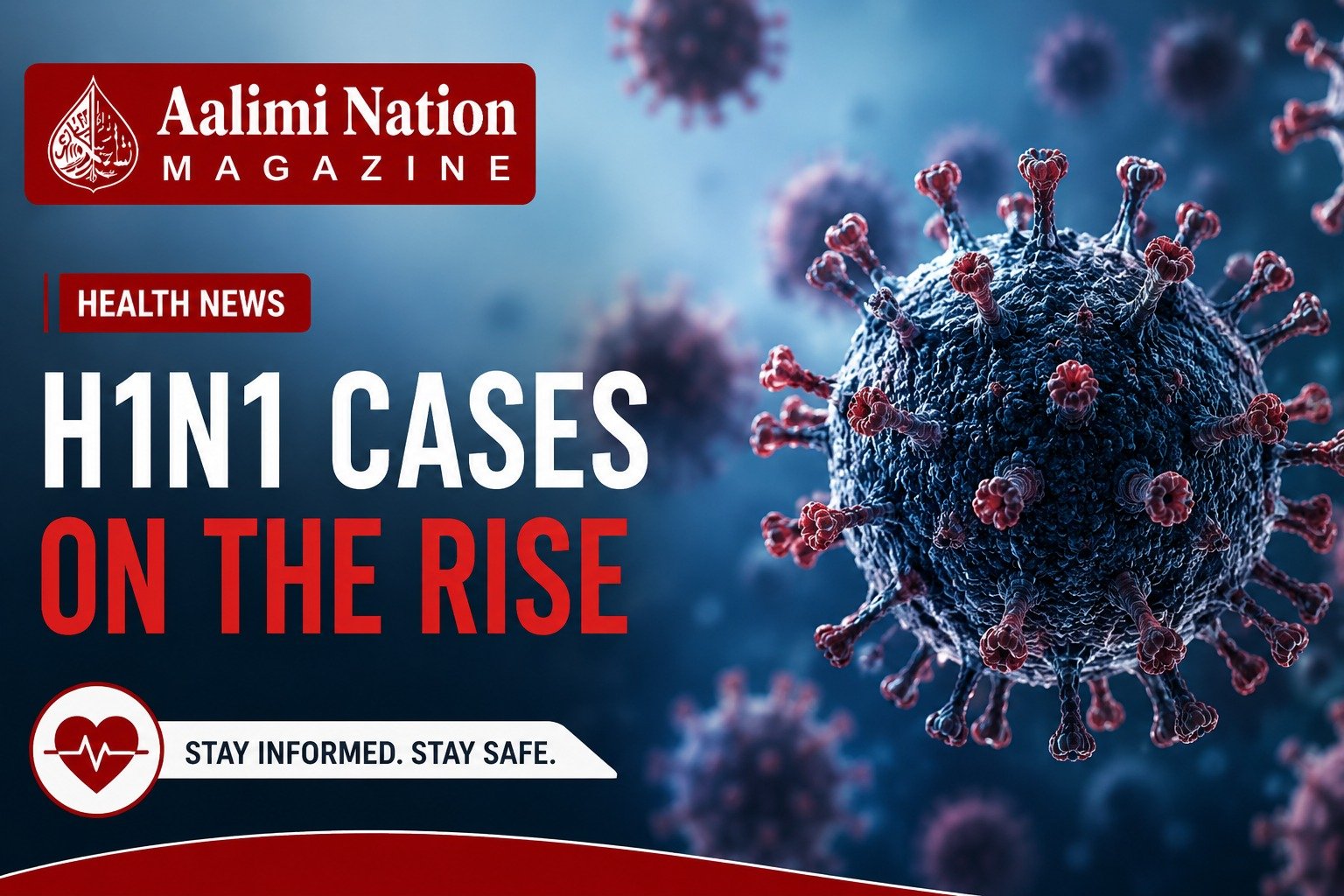
NEW DELHI: Delhi has recorded a sharp increase in H1N1 influenza cases, with 166 new infections reported in the latest 24-hour period, taking the city's total tally to 2,612, according to data released by the Delhi government.
The rise has prompted health authorities to review the preparedness of government hospitals and strengthen arrangements for patients suffering from influenza and other respiratory illnesses.
Delhi Health Minister Pankaj Kumar Singh visited Indira Gandhi Hospital and reviewed the facility's preparedness amid the increase in cases. Officials are assessing the availability of medical resources and the capacity of hospitals to manage a possible further rise in influenza-related admissions.
Health Authorities Urge Caution, Not Panic
Despite the increasing number of infections, the Delhi health minister has said there is no need for panic and urged residents to remain cautious and follow basic precautions.
H1N1 is a strain of influenza that primarily affects the respiratory system. Common symptoms include fever, cough, sore throat, body aches, headache, fatigue and weakness. Some patients can develop more serious respiratory complications.
Health authorities are particularly concerned about vulnerable groups, including older people, young children and individuals with underlying health conditions.
Hospitals Review Preparedness
The Delhi government is reviewing hospital preparedness as cases continue to rise.
Health officials have been assessing the availability of isolation beds, doctors, diagnostic facilities, medicines and other essential resources in government hospitals.
The government had already issued public guidance urging residents to follow respiratory hygiene measures, including regular handwashing, covering the mouth and nose while coughing or sneezing and limiting close contact with people who are unwell.
People experiencing worsening symptoms, particularly breathing difficulty or chest pain, should seek medical attention.
India Monitoring Seasonal Influenza
The increase in Delhi comes as India's Union Health Ministry continues to monitor seasonal influenza activity across the country.
The ministry said on August 25 that it was closely monitoring seasonal influenza trends, while Union Health Minister J. P. Nadda had earlier reviewed preparedness for H1N1 and emphasised continued surveillance and vigilance.
The latest situation does not mean that every person with flu-like symptoms has H1N1. Influenza and other respiratory viruses can produce similar symptoms, making appropriate medical assessment important when symptoms are severe or persistent.
WHO: Asia-Pacific Strengthens Influenza Surveillance
The Delhi developments come as the World Health Organization is urging countries across the Asia-Pacific region to strengthen preparedness for avian influenza.
More than 150 influenza experts, laboratory scientists and public-health officials participated in a WHO meeting from August 25 to 27 focused on improving surveillance and faster responses to highly pathogenic avian influenza A(H5N1) outbreaks affecting animals in the region.
WHO said the continuing spread of H5N1 among birds has the potential for spillover into humans, making early detection and strong surveillance systems essential.
At the same time, WHO's latest global respiratory-virus update found that overall influenza activity remained relatively low globally during the week ending August 16, although elevated activity was reported in several regions, including parts of Asia.
What People Should Know
The rise in H1N1 cases is a reminder that seasonal respiratory infections can spread quickly, particularly in crowded urban environments.
Basic preventive measures remain important:
Wash hands regularly.
Cover the mouth and nose when coughing or sneezing.
Avoid close contact with people who are sick.
Stay home when experiencing significant flu-like symptoms.
Seek medical care if symptoms become severe or breathing difficulties develop.
Health authorities continue to monitor the situation in Delhi and are assessing whether additional measures are required.
For now, officials are urging residents to remain alert rather than alarmed, while hospitals strengthen their preparedness to deal with the continuing rise in H1N1 infections.
— AALIMI NATION | Health