GENEVA, October 21 (Aalimi Nation) – The Ebola outbreak in the Democratic Republic of the Congo has passed 9,500 confirmed cases, according to the latest figures from European health authorities, as the World Health Organization (WHO) continues to warn that the risk in the affected country remains very high.
The European Centre for Disease Prevention and Control said that, by October 18, the DRC had recorded 9,552 confirmed cases, including 4,602 related deaths. It said 2,550 confirmed patients had recovered and 937 were being treated in isolation. Ninety-seven new cases and 41 deaths were added since its previous update, in North Kivu, Ituri and Haut-Uélé provinces.
Ebola outbreak: where cases are concentrated
The disease is caused by the Bundibugyo virus. Ituri province is the epicentre, with 6,960 cases and 3,217 deaths, followed by North Kivu with 2,084 cases and 1,176 deaths. In all, 66 of 178 health zones across eight provinces are affected, the agency said, and it added that the data reported by the DRC are under continuous review, so figures may change.
In its most recent Disease Outbreak News report, dated October 8, the WHO put the crude case fatality ratio at 48.2 per cent. It said contact follow-up stood at 80.4 per cent, below the 85 per cent target. A later European estimate put the share of identified contacts under follow-up at 76.9 per cent.
Cases beyond the DRC
Kenya has confirmed an imported case, the WHO said. The first patient was an adult who travelled from the DRC through Uganda and later died. The European agency said Kenya had confirmed eight cases, including one death, as of October 20, with the latest reported on October 18. Later cases were close contacts of the first patient, including three health workers. Other sources have cited slightly different Kenyan totals, and the figures are still being reconciled.
The Netherlands has also reported a health worker who tested positive in the DRC and was evacuated to an isolation unit in Leiden. The WHO said this case is not counted as a local one.
Risk assessment and response
The WHO's risk assessment, dated August 14, rated the risk as very high in the DRC, high in countries that share land borders with it, and low for the rest of the African region and globally. The European agency said its modelling showed the risk of importation into the EU and European Economic Area remains very low, although sporadic imported cases cannot be ruled out.
There is no approved vaccine or specific treatment for Bundibugyo virus disease, the WHO said. A clinical trial of treatments has begun enrolling patients, and a WHO advisory group has met to prioritise candidate vaccines.
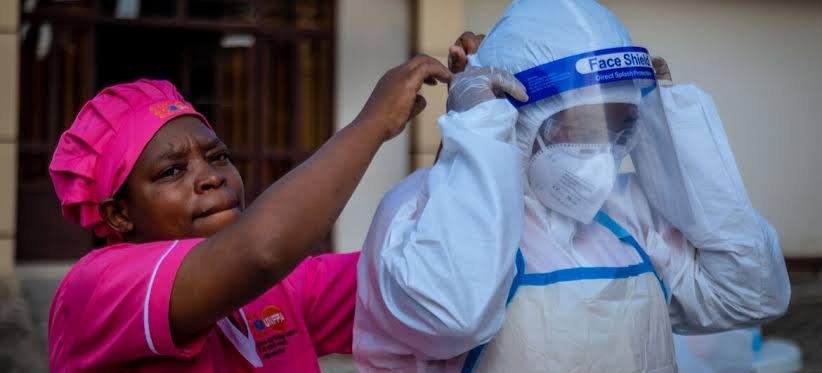
The response rests on surveillance, laboratory testing, infection prevention, clinical care, safe burials and community engagement. The WHO Director-General has stressed the last of these. "It is only when communities are engaged in the response that such outbreaks are brought under control," the Director-General said.
The WHO advises against travel or trade restrictions. It describes the setting as a humanitarian crisis in a remote, densely populated area marked by insecurity and heavy movement of people and goods.
What to watch next
Health authorities will be watching whether contact tracing can reach the 85 per cent target and whether new cases keep spreading to additional health zones. Further updates from the WHO and the European agency are expected in the coming days.