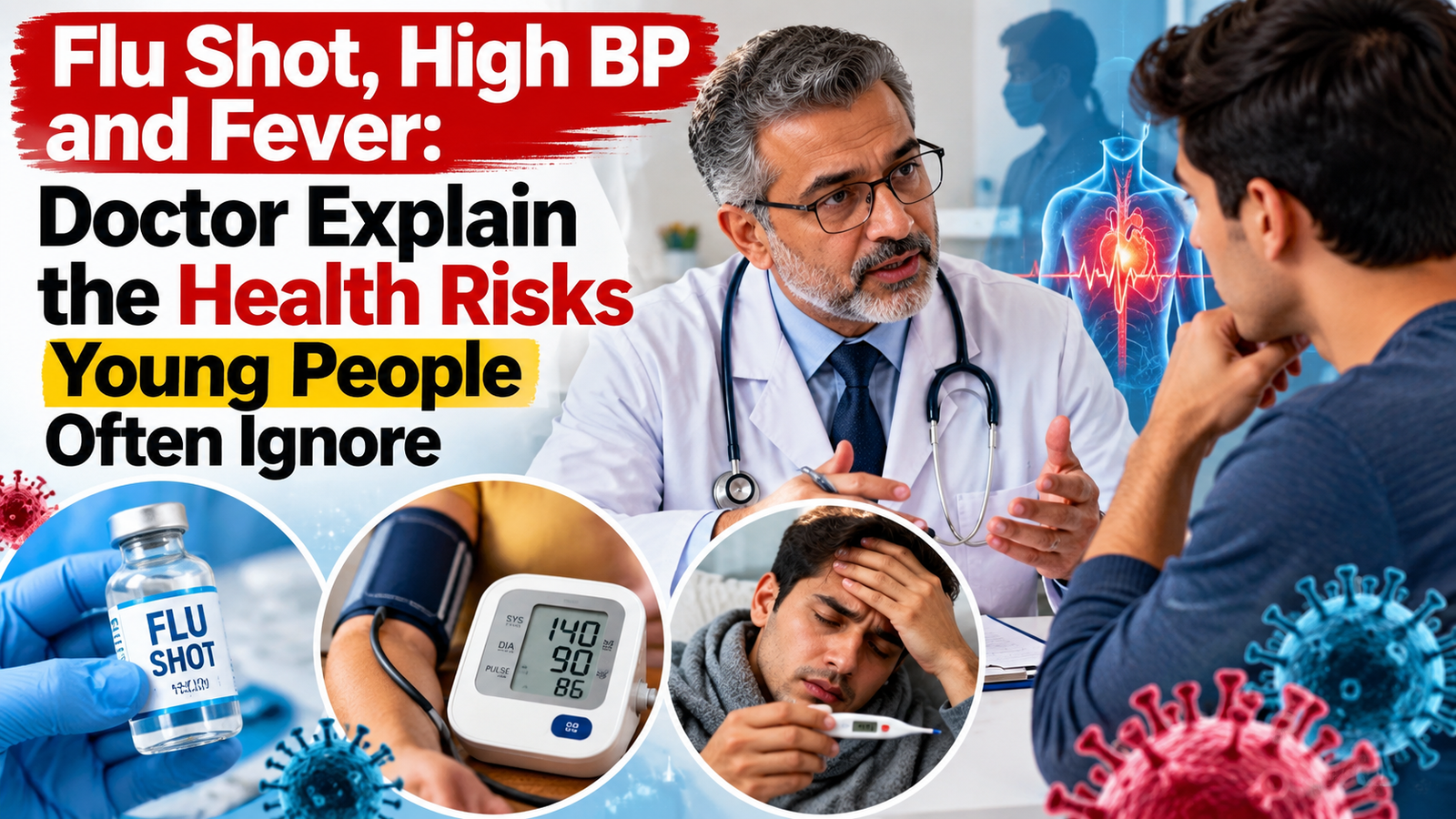
Many young adults believe that serious health problems are mainly associated with old age. As a result, they may ignore persistent fever, postpone routine health checks or assume that high blood pressure is not a concern if they feel healthy.
Medical evidence suggests that this approach can be risky. High blood pressure often causes no obvious symptoms, while influenza can lead to complications such as pneumonia and can worsen existing medical conditions. Preventive care and timely medical advice remain important at every age.
Influenza, commonly known as the flu, is a contagious respiratory infection that can cause fever, cough, sore throat, muscle aches, fatigue and headaches. Although many people recover without complications, some develop serious illness.
Annual flu vaccination can reduce the risk of influenza and its complications. Protection is particularly important for people with chronic medical conditions, including heart disease, diabetes and certain respiratory illnesses, as well as other groups at increased risk.
A flu shot cannot cause influenza. However, some people experience temporary side effects, including soreness at the injection site, muscle aches, headache or a mild fever. These effects generally settle within a few days.
Young adults should discuss vaccination with a qualified healthcare professional to determine which vaccine is appropriate for their age, health status and local recommendations.
Hypertension, or high blood pressure, is often associated with older people, but younger adults can also develop it. Because the condition frequently causes no noticeable symptoms, a person may have elevated blood pressure without realising it.
Uncontrolled hypertension increases the risk of cardiovascular disease, stroke and kidney damage over time. Factors that may contribute include excess body weight, high salt intake, physical inactivity, smoking, alcohol consumption, family history and certain underlying medical conditions.
Young adults can take practical steps to protect their health:
Check blood pressure periodically, using a properly fitted cuff and correct measurement technique.
Maintain a balanced diet and limit excessive salt intake.
Exercise regularly and maintain a healthy weight.
Avoid smoking and discuss alcohol consumption with a healthcare professional.
Seek medical advice if readings remain elevated rather than relying on the absence of symptoms.
A single elevated reading does not necessarily establish a diagnosis. Blood pressure should be assessed appropriately, and treatment decisions should be made with a qualified clinician.
A mild fever following a flu vaccination can be a temporary immune response. It does not necessarily mean that the vaccine has caused influenza or that something serious is wrong.
However, fever can also result from an unrelated infection or another medical condition. The timing of symptoms alone cannot establish their cause.
Medical attention is advisable if a fever is high, persistent, worsening or accompanied by other concerning symptoms. Seek urgent medical care for difficulty breathing, chest pain, confusion, severe weakness, signs of significant dehydration or a severe allergic reaction, including swelling of the face or throat.
People who have a current illness should ask their healthcare professional whether vaccination should proceed or be postponed until recovery.
Influenza may worsen certain chronic conditions, including heart disease, asthma and diabetes. People with underlying health problems should therefore avoid dismissing flu-like symptoms as an ordinary seasonal illness.
Anyone at increased risk who develops suspected influenza should contact a healthcare professional promptly. Antiviral treatment may be appropriate for some patients, and it can be more effective when started early.
People should not begin prescription medicines or stop existing blood pressure treatment without medical advice.
Preventive healthcare does not require complicated routines. Young adults can reduce avoidable risks by keeping up with recommended vaccinations, checking blood pressure, maintaining regular physical activity, eating a balanced diet and getting adequate sleep.
It is equally important to recognise when professional care is needed. Persistent symptoms, repeated high blood pressure readings and sudden or severe changes in health should not be ignored simply because a person is young.
Being young does not eliminate the risk of hypertension, influenza complications or other significant health problems. Understanding vaccine side effects, monitoring blood pressure and seeking timely medical advice can help people make informed decisions about their health.
Health disclaimer: This article is for general information and is not a substitute for individual medical advice, diagnosis or treatment. Consult a qualified healthcare professional for guidance based on your symptoms and medical history.